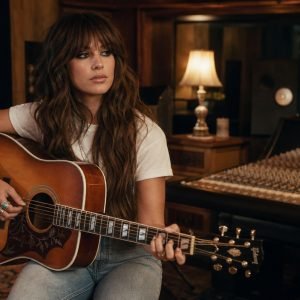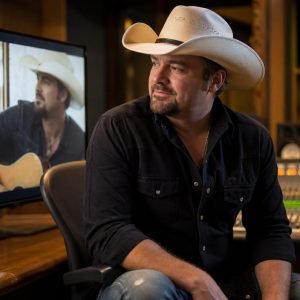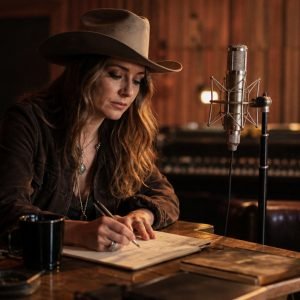
Country artist Dasha has officially announced that she will undergo vocal cord surgery on October 22, 2026, at the Vanderbilt University Medical Center, a procedure that will necessitate a significant hiatus from her performance schedule and, most crucially, a two-week period of absolute vocal rest.
Key Highlights
- Scheduled Procedure: Dasha is set for vocal cord surgery on October 22, 2026, in Nashville.
- Medical Facility: The surgery will be performed at the highly regarded Vanderbilt University Medical Center.
- Recovery Mandate: The artist must adhere to a strict two-week period of complete silence to ensure successful healing.
- Performance Impact: All public performances are paused to facilitate necessary medical recovery and long-term vocal preservation.
A Challenging Interval: Dasha’s Path to Vocal Recovery
In the high-octane world of modern country music, the voice is not merely an instrument; it is a professional athlete’s primary asset. For Nashville-based country sensation Dasha, the decision to step away from the touring circuit is a calculated move designed to protect her longevity. The announcement regarding her upcoming surgery at Vanderbilt University Medical Center has sent ripples through the country music industry, highlighting the often-unseen physical toll that rigorous tour schedules can exact on even the most prominent rising stars.
The Anatomy of the Decision
Vocal cord surgery is a significant medical event for any professional vocalist. The decision to proceed with surgery is rarely made lightly; it is typically the result of a comprehensive diagnosis that confirms resting and vocal therapy—the standard non-surgical approaches—are insufficient. For Dasha, the October 22, 2026, procedure represents a strategic investment in her career. The professional demands of touring, which involve nightly performances, environmental strain from dry air, and the fatigue of travel, create an environment where vocal cords are constantly susceptible to overuse injuries, polyps, or nodes.
By opting for this intervention now, Dasha is prioritizing the sustainability of her craft over short-term commitments. This proactive approach is becoming increasingly common among top-tier entertainers, as the industry shifts away from the “show must go on at all costs” mentality toward one that emphasizes physical health and long-term artist development.
Why Vanderbilt University Medical Center?
Choosing Vanderbilt University Medical Center (VUMC) is a standard of excellence for performers in the entertainment capital of the world. VUMC is home to one of the most respected departments for otolaryngology and voice care in the United States. Many of the world’s most recognizable vocalists rely on the specialists at Vanderbilt because they understand the unique physiological requirements of a singer versus a non-professional speaker. The medical team there is specialized in addressing the subtle nuances of vocal fold tissue, ensuring that surgical intervention results in the restoration of an artist’s signature range and timbre rather than merely fixing the immediate issue.
The Challenge of Total Vocal Silence
Perhaps the most daunting aspect of this recovery plan is the “two weeks of complete vocal rest” mandate. This is not merely a suggestion; it is a clinical requirement. For someone whose identity and career are deeply intertwined with vocal expression, two weeks without speaking creates a unique psychological and professional hurdle.
During this time, communication must shift entirely to non-verbal mediums. While fans might see this as an interruption, industry experts view it as a necessary reset. Total silence allows the vocal fold tissue to knit back together without the irritation caused by the friction of speaking, laughing, or even whispering. For an artist like Dasha, this hiatus acts as a forced sabbatical, a time to physically decompress, which—while difficult—can often lead to a renewed perspective upon return to the stage.
Future Implications for Touring Artists
The ripple effects of this hiatus will undoubtedly be felt by her support staff, touring crew, and concert promoters. However, this situation serves as a broader case study in the modern music business regarding the management of “human capital.” As the industry becomes more data-driven, we are seeing a trend where artist health is integrated into long-term tour financial modeling.
Planning for potential medical interruptions is becoming standard practice in tour rider negotiations and insurance policies. Dasha’s transparency about this health challenge serves to humanize the artist, fostering a deeper connection with her fanbase, who appreciate the honesty regarding the realities of show business. When she eventually returns to the stage, the anticipation is likely to be higher than ever, as the temporary silence will only serve to highlight the value of her voice once it is fully restored to its optimal, healthy state.
FAQ: People Also Ask
What does ‘complete vocal rest’ entail for a professional singer?
Complete vocal rest means the patient must not use their voice at all—no speaking, singing, or whispering—for a prescribed period. This allows the surgical site on the vocal folds to heal without the constant vibration and tension that occurs during normal speech.
Why is the timing of Dasha’s surgery significant?
By scheduling the surgery for October 22, 2026, Dasha is strategically choosing a window that allows her to manage her recovery timeline, potentially minimizing the disruption to her broader touring cycle for the remainder of the year and into the next.
Are vocal cord surgeries common for country stars?
Yes. Due to the high demands of touring, loud performance environments, and frequent travel, vocal cord issues are a well-documented risk in the music industry. Vanderbilt University Medical Center regularly treats high-profile performers for these exact issues to preserve their long-term vocal health.
Will this affect Dasha’s ability to sing in the future?
Vocal cord surgery is designed to repair and restore functionality. When performed by specialists like those at Vanderbilt, the goal is to return the artist to their baseline vocal capability, or in many cases, improve the ease and reliability of their vocal production.