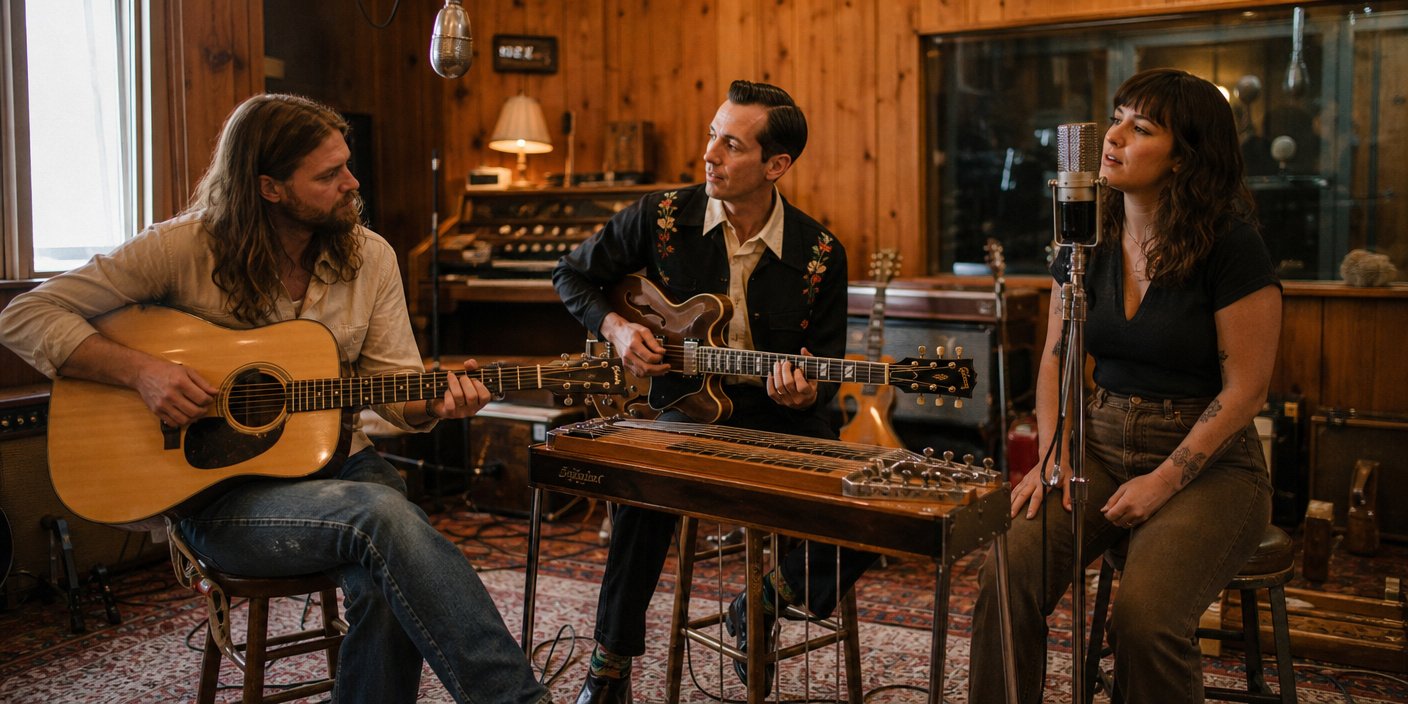
The latest edition of Country Universe’s review roundup, Vol. 2, No. 33, serves as a defining litmus test for the current state of the Americana and roots music scene. As we navigate the tail end of September 2026, the industry is witnessing a distinct pivot away from commercial, pop-leaning country toward a more visceral, songwriter-centric aesthetic. This week’s roundup highlights several notable country and roots album releases, most notably the haunting narratives of Ian Noe, the ragtime-infused swagger of Pokey LaFarge, and the sharp, confessional songcraft of Katie Pruitt. These artists are not merely filling the airwaves; they are effectively reclaiming the narrative of what modern country music can represent.
The New Guard of Americana: Deep-Diving the September 2026 Class
The cultural appetite for authenticity in music has never been higher, and the albums featured in this week’s Country Universe digest are capitalizing on that demand. As traditional publishing models for music continue to fragment, these artists have found success by doubling down on their unique regional identities. The intersection of Ian Noe’s Eastern Kentucky grit, Pokey LaFarge’s Midwestern eclectic swing, and Katie Pruitt’s Southern-gothic introspection provides a comprehensive look at where the genre is headed as we move into the final quarter of 2026. This analysis explores why these specific records are resonating with both critics and the rapidly expanding listener base that prioritizes lyrical density over production gloss.
Ian Noe: The Poet Laureate of the Holler
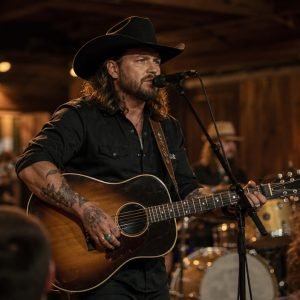
Ian Noe continues to cement his reputation as one of the most formidable songwriters of his generation. In his latest effort, reviewed in Vol. 2, No. 33, Noe maneuvers through the complexities of Appalachian life with a surgical, yet empathetic, precision. Where previous works leaned heavily into the folklore of the region, this release sees a refinement of his sonic palette. The production is sparse, allowing his unique vocal timbre—often described as a jagged edge wrapped in velvet—to take center stage.
Critics have pointed to his ability to weave character studies that feel like novelistic chapters rather than three-minute songs. For fans of the Americana Music Association’s core philosophy, this album represents a masterclass in tension and release. Noe’s specific strength lies in his refusal to romanticize the hardships he chronicles; he presents them as immutable facts of life, rendering them all the more poignant. It is this unwavering commitment to the truth of the setting that positions him as a pillar of modern roots music.
Pokey LaFarge: Time-Traveling Through Modern Country
Contrasting the somber depth of Noe, Pokey LaFarge brings a kinetic, almost celebratory energy to this week’s roundup. LaFarge has always been a genre-definer, existing comfortably in the slipstream between pre-war blues, early country, and a rugged, DIY rockabilly ethos. His latest project, highlighted by Country Universe, sees him successfully bridging the gap between his historical fascinations and the modern sonic landscape.
What makes this release significant is not just the stylistic variety—ranging from jump-blues rhythms to pedal-steel-drenched ballads—but the cohesion he manages to maintain throughout. LaFarge is essentially building a bridge to the past, reminding listeners that the foundation of modern country is built upon a diverse array of American musical traditions. His work serves as a reminder that the genre is not a monolith, but a living, breathing history lesson that benefits from his playful, yet deeply informed, interpretation.
Katie Pruitt: Unapologetic Narrative Growth
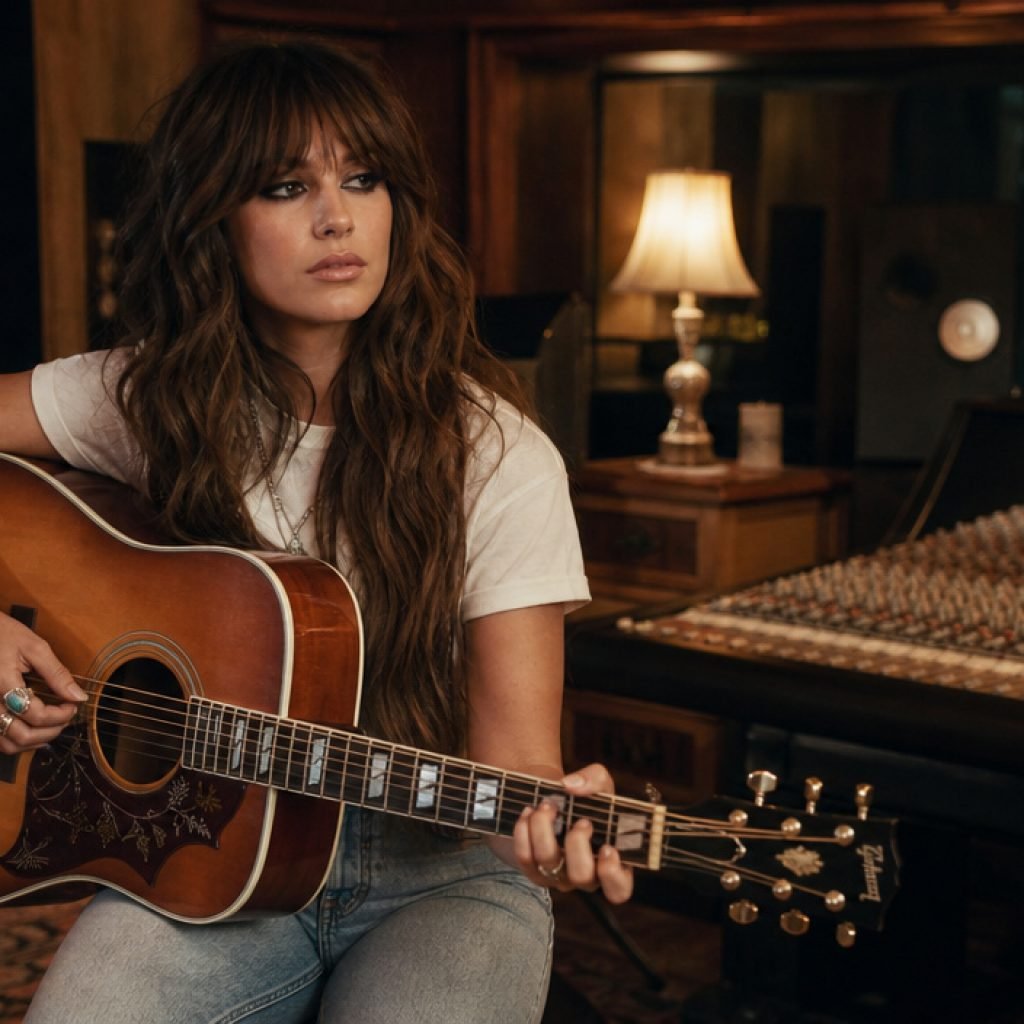
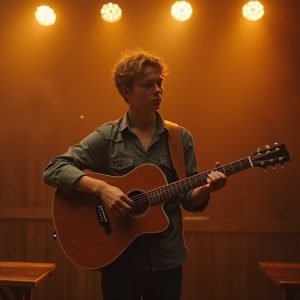
If Noe provides the grit and LaFarge provides the swing, Katie Pruitt provides the emotional core of this week’s roundup. Pruitt has been on a meteoric rise, and her latest album is being hailed as her most vulnerable and technically proficient to date. Tackling themes of identity, upbringing, and the search for belonging, she has managed to translate deeply personal experiences into universal anthems.
Her songwriting structure has evolved, moving from the folk-pop foundations of her earlier career into a more expansive, atmospheric sound. The production on this record allows for moments of silence that are just as powerful as the crescendos, a technique that highlights her vocal control and phrasing. Pruitt’s ability to articulate the specific nuances of coming of age in the modern South has resonated heavily with the Country Universe critics, who noted that her lyrical honesty is a driving force behind the current surge in interest for ‘confessional country.’
Secondary Angles: The Mechanics of the 2026 Roots Resurgence
To fully understand the significance of these releases, one must examine the broader industry context. First, the shift toward ‘Roots-First’ production represents a direct rejection of the hyper-polished, ‘stadium-country’ sound that dominated the early 2020s. Listeners are increasingly seeking acoustic fidelity, live-room reverb, and the natural ‘flaws’ that indicate a human playing an instrument, rather than a digital recreation.
Second, the role of independent distribution cannot be overstated. All three artists—Noe, LaFarge, and Pruitt—are navigating the industry with a level of autonomy that was arguably more difficult to maintain a decade ago. By retaining control over their master recordings and creative direction, they are dictating the terms of their artistic legacy rather than chasing radio-play metrics.
Finally, the power of ‘Nostalgia as a Modern Commercial Driver’ is at play. We are seeing a distinct trend where younger demographics are latching onto the aesthetics and instrumentation of mid-20th-century roots music. This isn’t just retro-fixation; it’s a genuine search for structural depth in a digital age. These artists aren’t just copying the past; they are synthesizing it to address contemporary anxieties, proving that the ‘roots’ of country music remain the most fertile ground for innovation.
FAQ: People Also Ask
What makes Country Universe’s Vol. 2, No. 33 significant?
This volume is significant because it highlights a clear transition point in the industry where critics and audiences alike are coalescing around ‘roots-forward’ artists, signaling a shift in market preference toward lyrical complexity and organic production.
Why are artists like Ian Noe and Katie Pruitt being grouped together?
While their styles differ, they are grouped because they represent the current ‘new guard’ of songwriting-focused Americana. Both artists prioritize narrative storytelling and raw, authentic performance styles over the polished, radio-friendly trends that have dominated the genre historically.
How does independent distribution impact these artists?
Independent distribution allows artists like Pokey LaFarge and Ian Noe to maintain creative control over their discography. It bypasses traditional gatekeepers, allowing for niche, high-quality music to reach dedicated fanbases without the compromises often required by major label ‘hit-seeking’ development cycles.
Where can I find the full reviews for these albums?
The full, original reviews for these releases are published in the Volume 2, Number 33 issue of Country Universe, which is currently available through their digital subscription portal and partner news feeds.