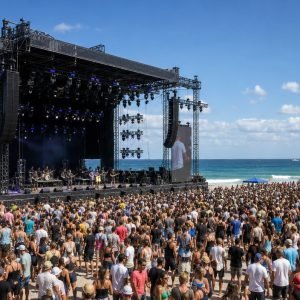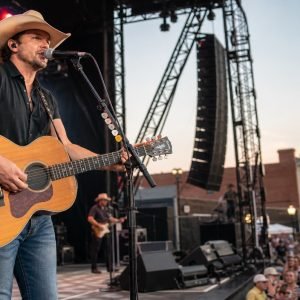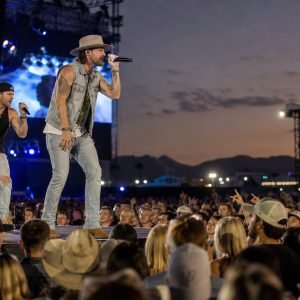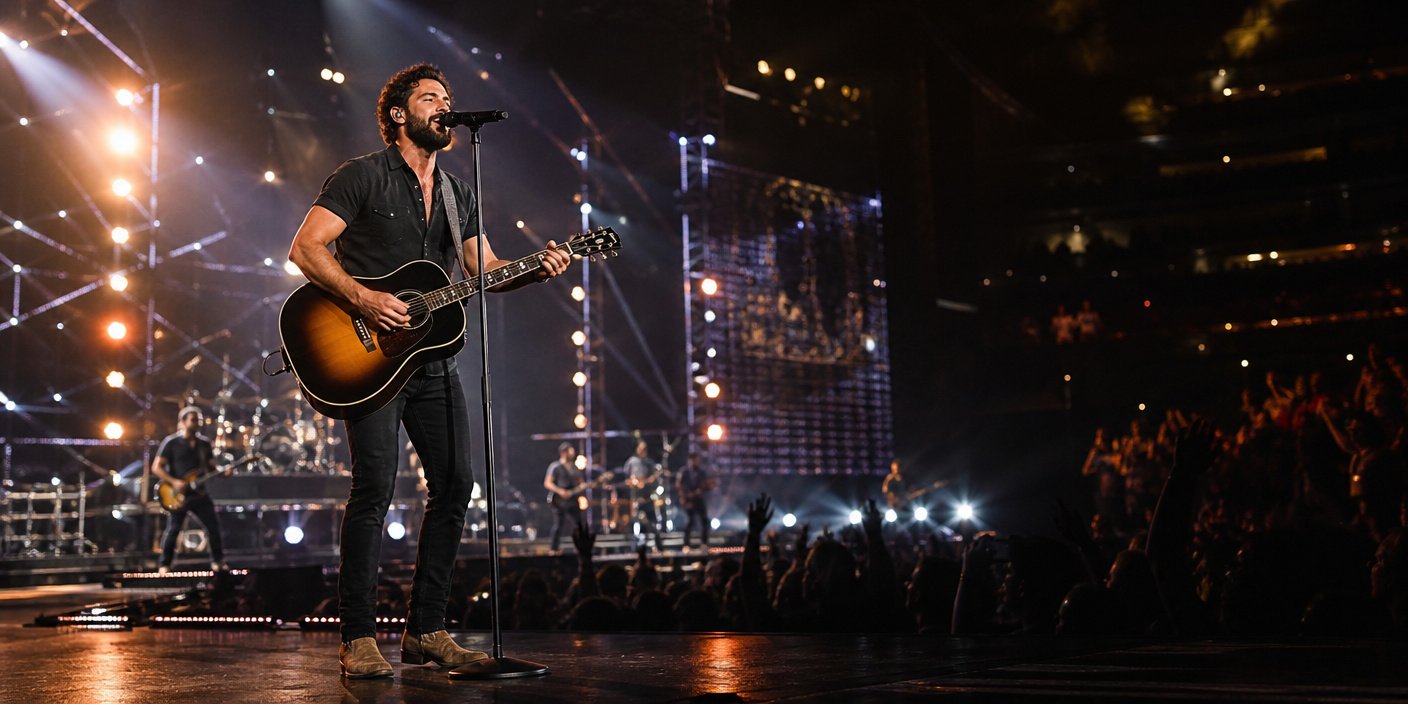
As the curtain falls on October 2026, the country music touring sector is finalizing a banner year. With marquee headliners like Thomas Rhett completing their highly successful seasonal runs, the industry is not resting on its laurels. Instead, promoters, agencies, and artists are aggressively pivoting toward a 2027 calendar that promises a fundamental restructuring of how country music is delivered to live audiences. Industry insiders indicate that while 2026 was defined by sheer volume and post-pandemic recovery, 2027 is poised to be the year of operational refinement, venue optimization, and a strategic pivot toward secondary and tertiary markets that have historically been underserved by major stadium tours.
The 2026 Wrap-Up: Thomas Rhett and the Residency Model
To understand where the industry is going, we must look at where it stands. The 2026 season was anchored by the dominance of established stars. Thomas Rhett, among others, has effectively utilized a mix of major metropolitan stadium stops and select intimate amphitheater residencies. This hybrid model—a direct response to rising logistical costs—has proven that fans are willing to travel for specific, high-production value shows. By late October 2026, data from major ticketing platforms shows that country music remains the fastest-growing genre in terms of per-capita ticket spend, consistently outpacing pop and rock touring averages by approximately 18% in mid-tier markets.
The 2027 Strategic Shift: Beyond the Big Cities
Industry intelligence confirms that 2027 will see a significant shift in booking strategies. Major booking agencies are currently finalizing contracts that favor a ‘hub-and-spoke’ touring model. Rather than the traditional, grueling cross-country bus tour that characterized the early 2020s, the 2027 outlook focuses on regional hubs. For example, artists are expected to play multiple dates within a 200-mile radius of major metropolitan centers, reducing transport costs—which have surged by 22% due to fuel and logistics inflation—by nearly 15%. This shift is not just an economic decision; it is an environmental and quality-of-life imperative that has become the gold standard for management teams representing the genre’s top 50 acts.
Economic Impacts: Dynamic Pricing and Transparency
Perhaps the most pressing conversation heading into 2027 is the evolution of dynamic pricing and ticket transparency. Following significant regulatory scrutiny throughout 2026, including legislative inquiries into Live Nation and Ticketmaster, promoters are adopting more transparent ‘all-in’ pricing models. Analysts predict that for the 2027 touring calendar, fans will see a shift where service fees are bundled into the base ticket price at the point of discovery. While this may increase the advertised ‘face value’ of tickets, it is expected to decrease cart abandonment rates, which currently sit at an industry-high of 42% for country music events.
The Rise of the ‘Destination Festival’ Model
In addition to the standard touring circuit, the ‘Destination Festival’ model is poised to explode in 2027. Unlike the multi-day camping festivals that dominated the last decade, the new trend involves artists curating multi-day takeovers in resorts or unique landscapes. Organizations like the Country Music Association (CMA) are facilitating these partnerships, recognizing that the experiential economy is what keeps the genre competitive against streaming-only content. By locking in these dates for Spring 2027, promoters are hoping to secure revenue streams well in advance of the traditional summer peak, effectively insulating the industry against potential economic volatility in the second half of the year.
Sustainability and Logistics: The Green Touring Initiative
Finally, 2027 will be marked by a concerted effort toward sustainability. With the industry facing pressure to reduce its carbon footprint, major tour fleets are upgrading to electric or hybrid-diesel transport logistics for shorter regional legs. This is not just a marketing tactic; it is a financial necessity as state-level environmental regulations in places like California and New York begin to impact venue access and equipment requirements. By 2027, expect ‘sustainability surcharges’ to be a standard part of tour accounting, though industry experts suggest these will be offset by the long-term operational savings of more efficient tour routing.