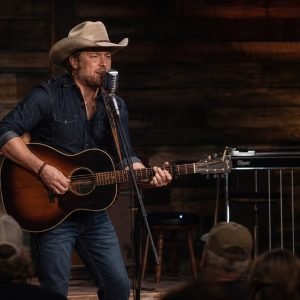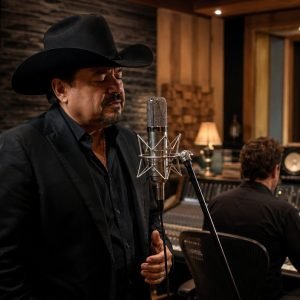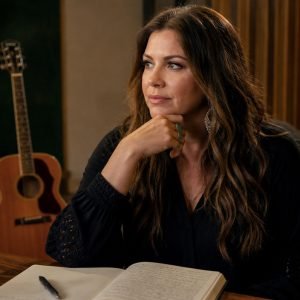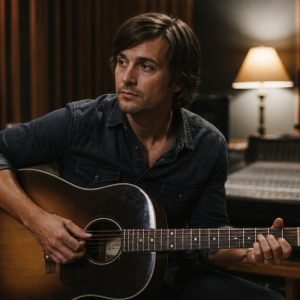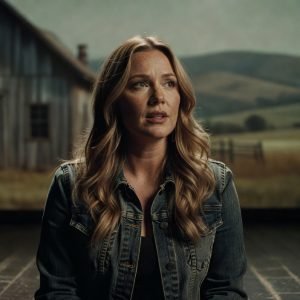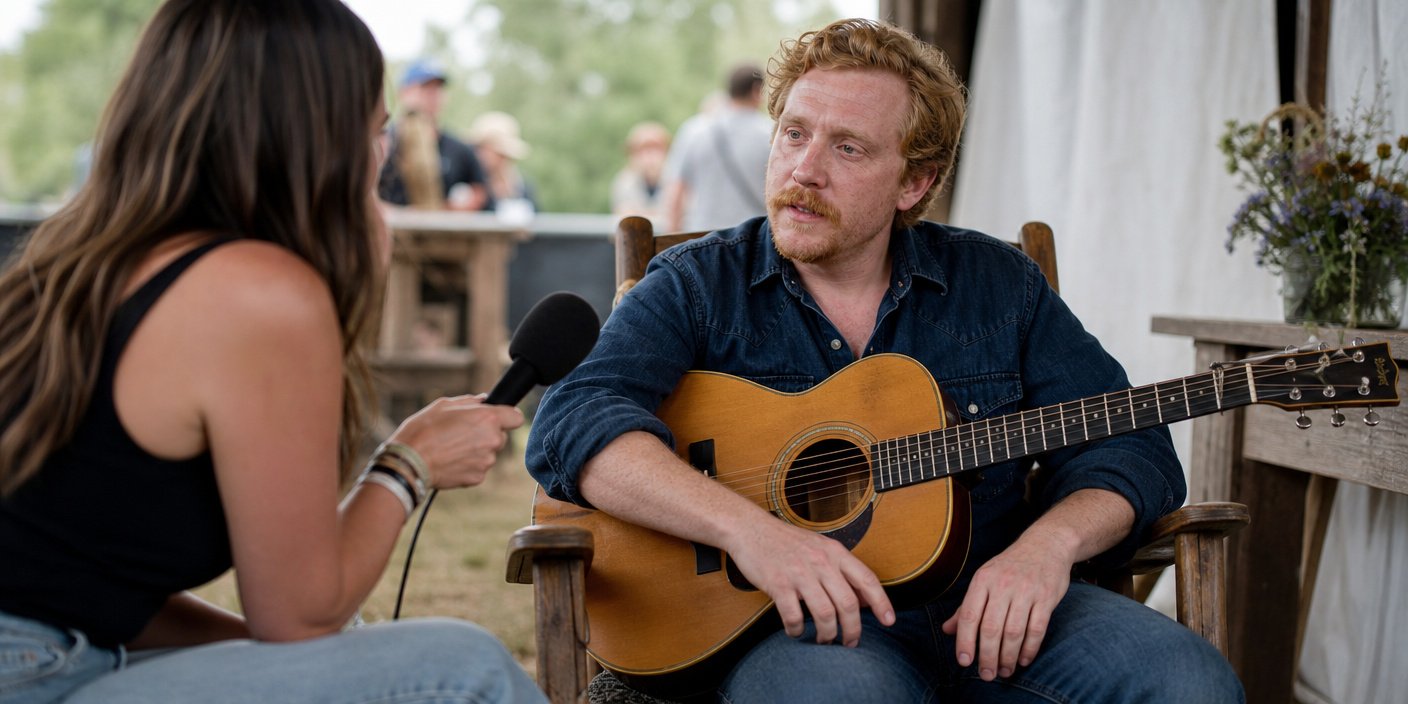
Tyler Childers has long been regarded as one of the most potent voices in modern Americana, a songwriter whose lyrics cut through the noise of commercial country to reach the raw, often aching nerves of the human experience. In a candid installment of the Newport Folk Festival’s acclaimed “Sea to Shining Sea” series, the Kentucky native recently dissected his personal philosophy regarding music, framing his body of work not merely as entertainment, but as a form of necessary medicine for both the artist and the listener. This interview marks a pivotal moment in understanding how Childers navigates the bridge between the isolated act of writing and the communal act of performance.
Key Highlights
- Music as Catharsis: Childers emphasizes that songwriting serves as a vital tool for processing grief, addiction, and complex personal narratives, labeling it “medicine” for the soul.
- Newport Connection: His participation in the “Sea to Shining Sea” series underscores his alignment with the Newport Folk Festival’s ethos of preserving and evolving authentic musical storytelling.
- Evolution of Sound: The discussion highlights the shift from the gritty, localized storytelling of his early work to the expansive, spiritual inquiries found in projects like Can I Take My Hounds to Heaven?.
- Listener Connection: Childers explores how the vulnerability in his lyrics creates a unique, healing bond with his audience, transforming concerts into shared emotional experiences.
The Healing Power of Honest Songwriting
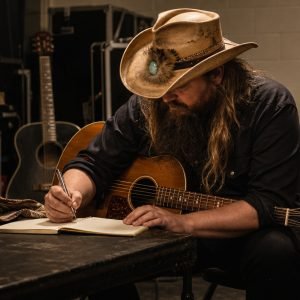
At the core of the Tyler Childers phenomenon is an unyielding commitment to honesty. In the context of his Newport Folk Festival interview, Childers explored the idea that music functions as medicine because it forces the creator to confront their own truths. He spoke on the necessity of sitting with difficult emotions—the shame, the heartbreak, and the lingering questions of faith—and distilling them into something that others can recognize in themselves. This process is not passive; it is an active, sometimes grueling attempt to make sense of the world.
For Childers, the “medicine” is the song itself. It is the ability to articulate a feeling so specific to a rural Kentucky upbringing that it becomes universal. When he writes, he isn’t aiming for the middle of the road or radio-friendly choruses; he is aiming for the truth. He notes that the healing happens when that truth is shared, when a fan looks back at him from the crowd and recognizes their own struggles reflected in his lyrics. This shared recognition validates the listener’s experience, effectively creating a feedback loop of emotional recovery.
Appalachian Storytelling and Oral History
To understand Childers’ approach to music as medicine, one must look at the Appalachian tradition he stems from. This is a culture steeped in oral history, where music was often the only way to pass down the gravity of life’s hardships. Childers treats his songwriting as a modern extension of this lineage. He isn’t just writing songs; he is chronicling the human condition as it exists in the mountains. By maintaining this link to the past, his music avoids the plasticity of modern pop-country, offering a grounding, earthy sound that resonates with those who feel alienated by contemporary industry trends.
The Newport Ethos
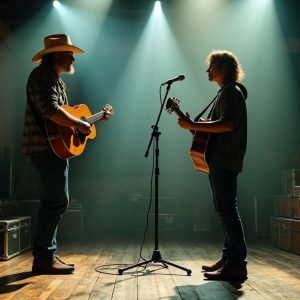
The Newport Folk Festival has, for decades, been the steward of such authentic voices. By featuring Childers in their “Sea to Shining Sea” series, the festival reinforces the importance of the songwriter-as-historian. The series aims to strip away the artifice of the music industry, leaving only the artist, their story, and their instrument. Childers’ inclusion in this series highlights a symbiotic relationship: Newport provides the platform for this deeper conversation, and Childers provides the substance that justifies the festival’s long-standing reputation as a bastion of artistic integrity.
Beyond the Lyrics: The Spiritual Journey
In recent years, particularly with his work in Can I Take My Hounds to Heaven?, Childers has moved beyond the terrestrial struggles of his earlier albums. He is now interrogating spiritual questions with the same intensity he once applied to tales of Lawrence County bars and white lightning. This evolution suggests that the “medicine” is changing form. It is no longer just about survival; it is about seeking transcendence. Childers discusses how this spiritual evolution is essential to his longevity as an artist. He posits that if he were not constantly challenging himself to write about deeper, more complex themes, the music would lose its efficacy. The medicine would stop working. By embracing change and refusing to cater to audience expectations of “staying the same,” Childers ensures that his art remains a living, breathing, and healing entity.
FAQ: People Also Ask
Q: What is the “Sea to Shining Sea” series?
A: The “Sea to Shining Sea” series is a video documentary project by the Newport Folk Festival. It features intimate, in-depth interviews and performances with artists, aiming to explore their personal connections to their craft and the legacy of folk music.
Q: Why does Tyler Childers refer to his music as “medicine”?
A: Childers views songwriting as a cathartic process that helps him process personal experiences, trauma, and spiritual growth. By sharing these experiences, he creates a communal healing process for listeners who connect with his vulnerability.
Q: How has Tyler Childers’ music evolved over his career?
A: His music has transitioned from the gritty, narrative-driven country of his early career (e.g., Purgatory) toward more experimental, spiritual, and expansive compositions (e.g., Can I Take My Hounds to Heaven?), reflecting his personal and philosophical growth.
Q: Does Tyler Childers prioritize commercial success?
A: Based on his interviews and consistent refusal to compromise his sound for radio play, Childers prioritizes artistic authenticity and emotional honesty over commercial trends, favoring a long-term connection with his audience over short-term industry popularity.