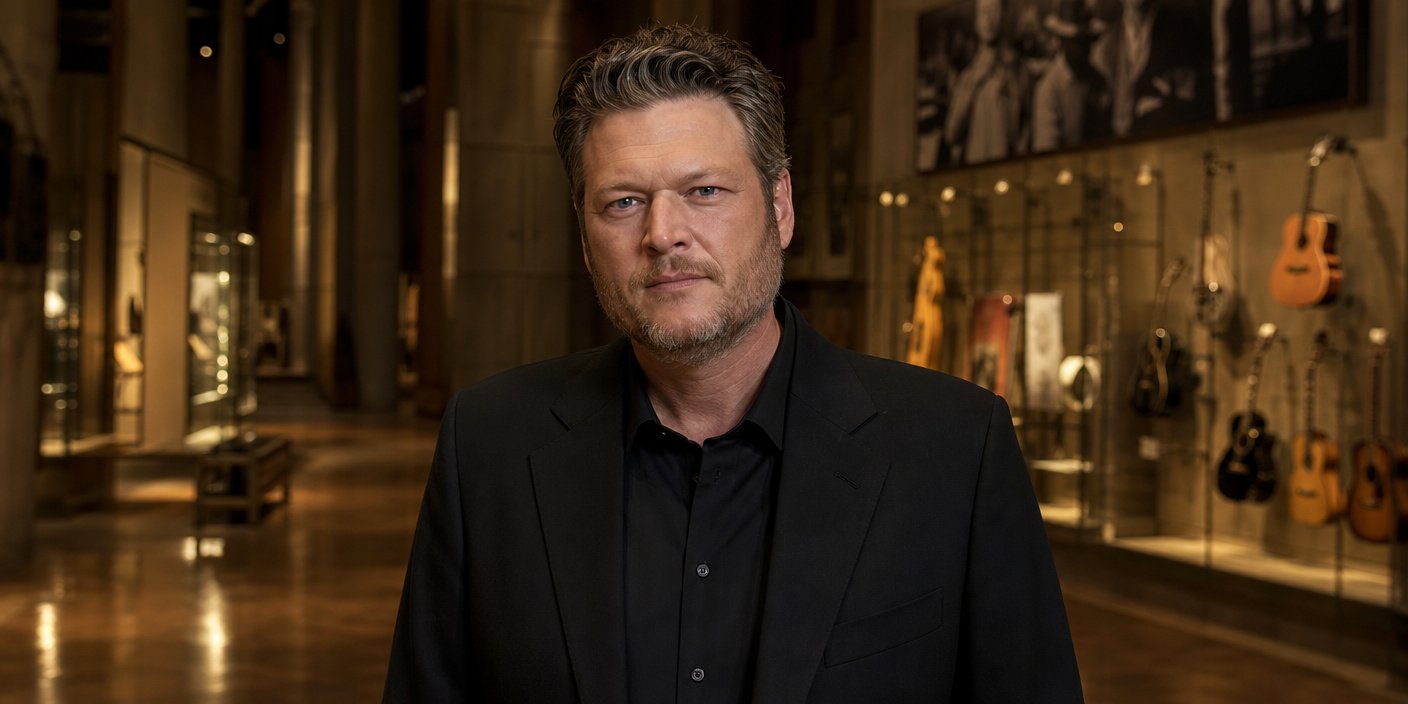
Country superstar Blake Shelton has opened up about the profound loss of Country Music Hall of Famer John Anderson, revealing that a fleeting but powerful moment during the recent Hall of Fame medallion ceremony would serve as their final goodbye. In a heartfelt statement, Shelton detailed the emotional weight of that interaction, underscoring the deep mentorship and friendship they shared, and expressing his gratitude for having the opportunity to tell the legendary artist he loved him just days before his passing.
Key Highlights
- Blake Shelton pays public tribute to John Anderson, highlighting their deep professional and personal connection as fellow country music icons.
- The final conversation between the two occurred at the prestigious Country Music Hall of Fame medallion ceremony, occurring only days before Anderson’s death.
- Shelton emphasizes the importance of this final encounter, noting that he was fortunate to convey his love and admiration to Anderson face-to-face.
- The country music community is in mourning, reflecting on Anderson’s massive contributions to the genre and his influence on generations of artists, including Shelton.
A Final Tribute: The Lasting Legacy of John Anderson
The bond between veteran country icons and the modern torchbearers who follow them is a cornerstone of the Nashville music industry, but rarely is it as evident or as deeply felt as the relationship between Blake Shelton and the late John Anderson. Following the news of Anderson’s passing, Shelton has shared a poignant reflection that offers fans a rare glimpse into the humanity behind the music, centering on a moment that will forever define their final goodbye.
The Final Encounter at the Hall of Fame
The setting for their last interaction was the Country Music Hall of Fame medallion ceremony, an event of immense significance within the country music world. For Anderson, the ceremony represented the culmination of a storied, genre-defining career. For Shelton, it was an opportunity to pay respects to a man whose influence helped shape his own path in the industry. Shelton described the atmosphere at the ceremony as one of mutual respect and history, noting that despite the grandeur of the event, the focus for him remained on the personal connection he held with the honoree.
According to Shelton, the encounter was brief but incredibly impactful. As the events unfolded, Shelton found a quiet moment to approach Anderson. Recognizing the weight of the moment, Shelton took the opportunity to bridge the gap between fan and peer, directly telling the Hall of Famer that he loved him. That exchange, happening only days prior to Anderson’s death, has provided Shelton with a sense of closure that he described as “fortunate.” It serves as a reminder of the fragility of life, even among the stars who seem larger than life.
Influencing a Generation
To understand the gravity of Shelton’s grief, one must look at the immense shadow John Anderson cast over country music. From his breakout in the late 1970s to his string of number-one hits like “Swingin'” and the atmospheric “Seminole Wind,” Anderson brought a unique, neo-traditionalist edge to the genre. For artists like Blake Shelton, who rose to prominence in the early 2000s, Anderson represented the gold standard of songwriting and vocal delivery. Shelton has frequently cited the “Anderson school of thought”—a commitment to authenticity and a refusal to sacrifice the “country” in country music—as a primary driver in his own artistic development.
This mentorship was not always formal, but it was omnipresent. By watching Anderson navigate the highs and lows of the industry, Shelton and many of his contemporaries learned how to balance commercial success with artistic integrity. Their conversations often transcended the industry, touching on life, the demands of the road, and the importance of remembering where one came from. The medallion ceremony, in retrospect, served as a final passing of the torch, a moment where the industry honored a legend and where, privately, a student thanked his master.
A Community in Mourning
The loss of John Anderson has left a palpable void in Nashville. Tributes have poured in from all corners of the music world, but Shelton’s, characterized by its personal nature and the specific focus on their final interaction, has resonated deeply with fans. It highlights a recurring theme in the country music community: the value placed on tradition and the deep, familial bonds that form between artists who have spent their lives on the stage.
As the industry prepares to celebrate Anderson’s life and legacy in the coming weeks, the narrative of his final days—marked by this interaction at the Hall of Fame—will likely serve as a centerpiece of the tributes. It reminds fans and listeners that behind the records and the awards are human beings deeply affected by the passing of their heroes. For Blake Shelton, the memory of that final “I love you” is more than just a consolation; it is a testament to a life lived well and a friendship that lasted until the very end.
FAQ: People Also Ask
Where did Blake Shelton and John Anderson meet for the last time?
Blake Shelton and John Anderson had their final interaction at the Country Music Hall of Fame medallion ceremony, which took place just days before Anderson passed away.
What did Blake Shelton say to John Anderson in their final moment?
Shelton shared that he was fortunate enough to tell the legendary artist that he loved him during their final meeting at the medallion ceremony, a moment he now reflects on with deep gratitude.
Why is the Hall of Fame medallion ceremony significant?
It is one of the most prestigious events in the country music industry, where new inductees are honored for their lifetime contributions to the genre. It serves as both a public celebration and an intimate gathering for the country music community.
How did John Anderson influence Blake Shelton’s career?
John Anderson was a significant neo-traditionalist influence on Shelton. Shelton has credited Anderson with teaching him the importance of maintaining authenticity and country roots while navigating the complexities of a commercial music career.