This week in country music, the industry has been set alight by a flurry of high-profile releases that bridge the gap between traditional storytelling and modern sonic experimentation. The October 23 Countrytown roundup highlights a diverse array of artistry, from homegrown Australian talent to global superstars cementing their place in the genre’s evolving hierarchy.
Key Highlights
- Melanie Dyer’s Evolution: Rising star Melanie Dyer returns with a sound that pushes her artistic boundaries, marking a pivotal moment in her career.
- Brothers Osborne’s Continued Dominance: The genre-bending duo delivers another masterclass in instrumentation and lyrical depth with their latest studio project.
- Kacey Musgraves’ Fresh Cut: A surprise single release from Musgraves continues to showcase her ability to blend cosmic-country aesthetics with mainstream appeal.
- Genre Synergy: This week’s releases reflect a broader trend of cross-genre pollination, where classic country tropes are being redefined for a digital-first audience.
The Pulse of Modern Country Music: An Analysis of the October 23 Drop
The landscape of country music is currently undergoing a structural shift, moving away from the rigid definitions of the past toward a more fluid, genre-agnostic environment. The releases highlighted in this week’s Countrytown update serve as a microcosm for this broader industry transformation. When we examine the output from artists like Melanie Dyer, Brothers Osborne, and Kacey Musgraves, we are not just looking at songs; we are looking at specific cultural responses to the demands of the modern listener.
The Rise of Melanie Dyer and the Australian Scene
Melanie Dyer has long been considered one of the most promising voices in the Australian country music circuit. Her inclusion in this week’s roundup is a testament to the growing global recognition of the ‘Nashville-on-the-Murray’ phenomenon—the idea that Australian artists are now matching the production quality and songwriting rigor of their American counterparts. Dyer’s latest work demonstrates a conscious shift toward more introspective, character-driven songwriting. By stripping away some of the traditional production layers often found in contemporary country, she allows the narrative weight of her lyrics to take center stage. This approach is not merely a stylistic choice; it is an economic necessity in an age where listeners demand authenticity. In the digital streaming era, a song’s ‘hook’ is no longer just the chorus melody, but the emotional resonance of the story being told.
Brothers Osborne: Defining the ‘New Traditionalism’
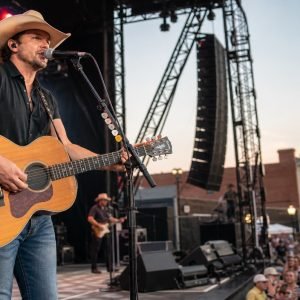
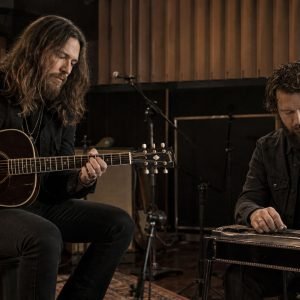
If Melanie Dyer represents the emerging force, Brothers Osborne represents the standard-bearers of modern musicianship. The duo’s latest album project, featured in this week’s release cycle, continues their streak of pushing the envelope on what a ‘country duo’ can sound like. They are masters of the ‘jam band’ ethos within a country framework, prioritizing virtuoso guitar work and complex harmonic structures. The October 23 drop highlights their continued commitment to this blend of Southern rock energy and polished, radio-friendly production. It is a calculated move that ensures their relevance across multiple demographics—appealing to the traditionalist who loves a telecaster solo while satisfying the modern pop-country fan who demands seamless, high-fidelity production values.
The Musgraves Factor: Cosmic Country’s Endurance
Kacey Musgraves remains the gold standard for bridging the gap between critical acclaim and mainstream success. Her latest track, released as part of this recent wave, highlights the enduring appeal of ‘Cosmic Country.’ While many artists struggle to balance the ‘traditional’ country expectation with the desire for experimental soundscapes, Musgraves does it with apparent ease. The inclusion of her new track in the current cycle is a reminder that the genre is vast enough to hold both the raw, acoustic simplicity of the barn dance and the reverb-heavy, introspective dreaminess of modern folk-adjacent production. This specific release is expected to drive significant traffic across major streaming platforms, further solidifying her status as a tastemaker within the industry.
Digital Streaming and the Death of the ‘Gatekeeper’
One cannot analyze this week’s music releases without acknowledging the role of the platform. Countrytown serves as a vital aggregator, but the underlying mechanisms of music consumption have changed. Historically, radio played the role of the gatekeeper; today, algorithmic curation on platforms like Spotify and Apple Music dictates success. The ‘Country Drop’ is no longer just a release day celebration; it is a battle for placement on major ‘New Music’ playlists. The success of artists like Dyer, Osborne, and Musgraves in this cycle is heavily contingent on their ability to navigate these digital waters—providing high-quality content that satisfies both the critic and the algorithm.
Future Predictions: Where Does the Sound Go Next?
Looking ahead, the trajectory of these artists suggests a continued dissolution of genre boundaries. We predict that the next eighteen months will see an even greater influx of ‘crossover’ sounds in country music. As the audience for country music becomes younger and more digitally native, the definition of what constitutes a ‘country’ track will likely expand to include more elements of soul, R&B, and indie-rock. The artists highlighted this week are already laying the groundwork for this transition, proving that the genre is not a static monolith, but a living, breathing entity that evolves with the culture it serves.
FAQ: People Also Ask
1. Why is the ‘Country Drop’ significant for independent artists?
It represents a shift in how independent country artists are reaching global audiences. By aggregating releases through outlets like Countrytown, independent artists can gain the same visibility as major label acts, effectively leveling the playing field in terms of discovery.
2. What is the current trend in country music production?
Modern production is trending toward ‘organic-electronic’ hybridity. Artists are increasingly using traditional instruments (acoustic guitars, banjos) mixed with ambient, synthesizer-heavy soundscapes to create a broader emotional tone.
3. How do Brothers Osborne influence the current sound of Nashville?
They have been instrumental in popularizing a guitar-centric, ‘live-energy’ sound that has pushed other mainstream country artists to move away from overly programmed, ‘stiff’ digital backing tracks, bringing back a sense of human performance and grit.
4. Where can fans find these new tracks?
All tracks mentioned in the October 23 Countrytown roundup are available on major digital streaming platforms, including Spotify, Apple Music, and Amazon Music. Many are also accompanied by official music videos on YouTube.