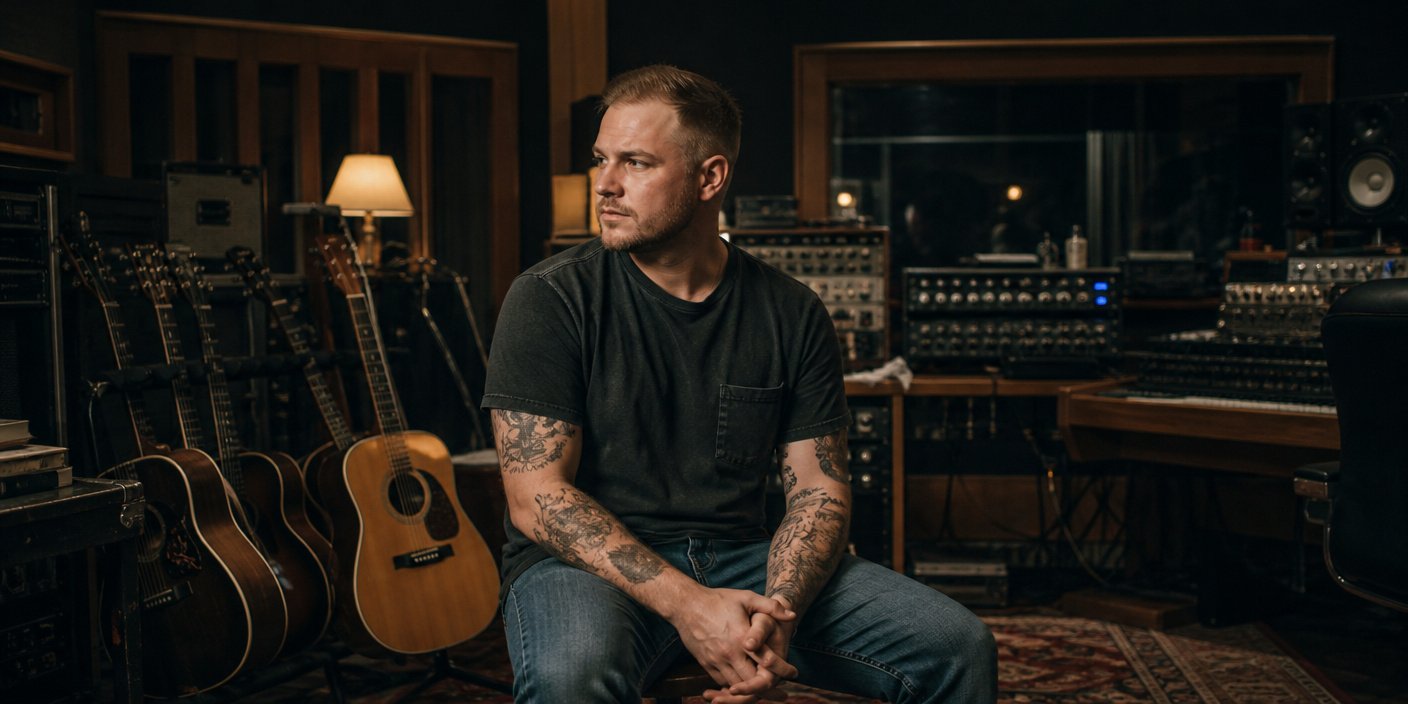
Zach Bryan, one of the most prolific and commercially successful artists in contemporary country-folk, has publicly identified fellow musicians Evan Felker and Jason Isbell as the primary figures who inspired his decision to pursue sobriety. By speaking candidly about his reliance on their examples, Bryan has cast a spotlight on the evolving landscape of the music industry, where artists are increasingly finding strength in community and shared experiences of recovery. This revelation not only humanizes the meteoric rise of the ‘Something in the Orange’ singer but also highlights the mentorship and unspoken support systems that are quietly reshaping the Nashville and Americana scenes.
Key Highlights
- Mentors in Sobriety: Zach Bryan credits Turnpike Troubadours’ Evan Felker and acclaimed singer-songwriter Jason Isbell as critical touchstones for his sobriety.
- A Cultural Shift: The influence reflects a broader trend in country and Americana, moving away from the ‘hard-drinking’ archetype toward sustainable, health-conscious careers.
- Impact on Artistry: Bryan notes that sobriety has brought a new level of clarity and creative focus to his songwriting and performance.
- Shared Struggles: By leaning on the experiences of his peers, Bryan has illustrated how transparency regarding mental health and addiction can serve as a lifeline for younger artists entering the spotlight.
The Weight of the Road and the Need for Change
The life of a touring musician is often synonymous with the rigors of late nights, endless bars, and the cultural expectation of hard living. For years, the ‘outlaw’ archetype—defined by grit, rebellion, and substance reliance—has been a cornerstone of country music lore. Zach Bryan, who exploded onto the mainstream scene with a raw, unfiltered sound, was not immune to these pressures. His rapid ascent from Navy veteran to arena-filling superstar meant managing unprecedented levels of stress, public scrutiny, and the constant isolation of the road.
In various discussions, Bryan has been transparent about the toll this lifestyle took on his well-being. Sobriety was not merely a lifestyle choice for him; it became a necessity to preserve his creative output and personal life. However, making that shift in an environment that often celebrates the very habits one is trying to escape is a daunting challenge. This is where the roles of mentors like Evan Felker and Jason Isbell became paramount. For Bryan, watching these men navigate their own public struggles and emerge on the other side provided more than just encouragement—it provided a blueprint for survival in an industry notorious for chewing up its stars.
Jason Isbell: The Gold Standard of Recovery
Jason Isbell is widely considered the gold standard for sobriety in the modern Americana and country music scene. His journey, documented intimately in his discography—specifically on the critically acclaimed album Southeastern—has served as a beacon for countless artists. Isbell’s transformation from a struggling alcoholic to a sober, razor-sharp lyricist and family man proved that one could maintain authenticity without the artificial fuel of alcohol.
For Zach Bryan, Isbell’s influence is profound. Isbell has frequently spoken about the importance of setting boundaries and prioritizing one’s health above the demands of the label or the audience. Bryan’s admiration for Isbell goes beyond just the music; it is rooted in the shared language of recovery. Isbell has never shied away from the ugly truths of addiction, and his ability to articulate that experience in song likely resonates deeply with Bryan, whose own writing style leans heavily into brutal honesty and confession. When Bryan looks at Isbell, he doesn’t just see a legacy act; he sees a functioning, thriving artist who has successfully navigated the pitfalls that swallow so many others.
Evan Felker and the Power of Return
If Jason Isbell represents the sustained success of sobriety, Evan Felker of the Turnpike Troubadours represents the power of return and redemption. The story of the Turnpike Troubadours is one of the most compelling narratives in modern country music—a band that hit the ceiling of their potential only to be derailed by internal struggles, followed by a triumphant, sober resurgence.
Watching Felker work through his personal battles and return to the stage with even greater intensity and presence has been a major source of inspiration for Bryan. The Turnpike Troubadours were pivotal in the ‘red dirt’ scene, a genre that significantly influenced Bryan’s early sound. Seeing Felker, a hero of that specific musical lineage, reclaim his life and career demonstrated to Bryan that the music doesn’t have to end just because the party does. The resilience of the Turnpike Troubadours, and Felker’s personal growth, provided a tangible example of recovery in a sector of the music industry that historically romanticized self-destruction. Bryan’s recognition of Felker speaks to the continuity of influence, where the lessons learned by the previous generation are actively sustaining the next.
Authenticity, Artistry, and the Future of Country Music
There is a misconception in popular culture that sobriety softens an artist’s edge or diminishes the ‘pain’ that fuels great songwriting. However, Zach Bryan’s output since committing to sobriety challenges this notion entirely. Albums like The Great American Bar Scene reflect an artist who is more dialed-in to his surroundings, more observational, and perhaps more acutely aware of the human condition than ever before. Sobriety has allowed Bryan to separate the performance from the person, giving him the distance needed to write with a clearer, more precise perspective.
Furthermore, this conversation is signaling a broader sea change in the country music industry. As younger stars like Bryan openly cite recovery and mental health, they effectively destigmatize these issues for their fanbase and fellow artists. This shift is not just about personal health; it is an economic and professional necessity. The modern music industry, with its grueling touring schedules and social media demands, requires a high level of mental fortitude. Artists who prioritize their health are proving that longevity is more viable and more creatively rewarding than the ephemeral burn of the traditional ‘rock star’ lifestyle.
By anchoring his journey in the influences of Isbell and Felker, Zach Bryan is doing more than just giving credit where it is due. He is participating in a communal effort to change the culture of country music from the inside out, proving that the most ‘authentic’ thing an artist can do is survive, evolve, and continue to create at a high level.
FAQ: People Also Ask
Q: When did Zach Bryan decide to get sober?
A: Zach Bryan has been open about his sobriety journey over the past few years, often citing the rigorous demands of touring and the need for mental and physical clarity as primary motivators for his lifestyle change.
Q: Did Evan Felker’s sobriety influence Zach Bryan’s career?
A: Yes, Bryan has cited Evan Felker as a significant influence. Seeing Felker navigate his own recovery and the successful return of the Turnpike Troubadours provided Bryan with a model for maintaining an artistic career while prioritizing sobriety.
Q: Why is Jason Isbell considered a mentor for sober artists?
A: Jason Isbell is widely respected in the music industry for his decade-plus of sobriety. His music often addresses themes of addiction, recovery, and redemption, making him a central figure and a primary source of inspiration for younger artists looking to navigate the same path.
Q: How does sobriety affect Zach Bryan’s songwriting?
A: While personal to each artist, Bryan’s work post-sobriety has been noted for its continued emotional depth and observational clarity, suggesting that his process remains as potent and authentic as ever, perhaps even more focused due to his improved clarity of mind.