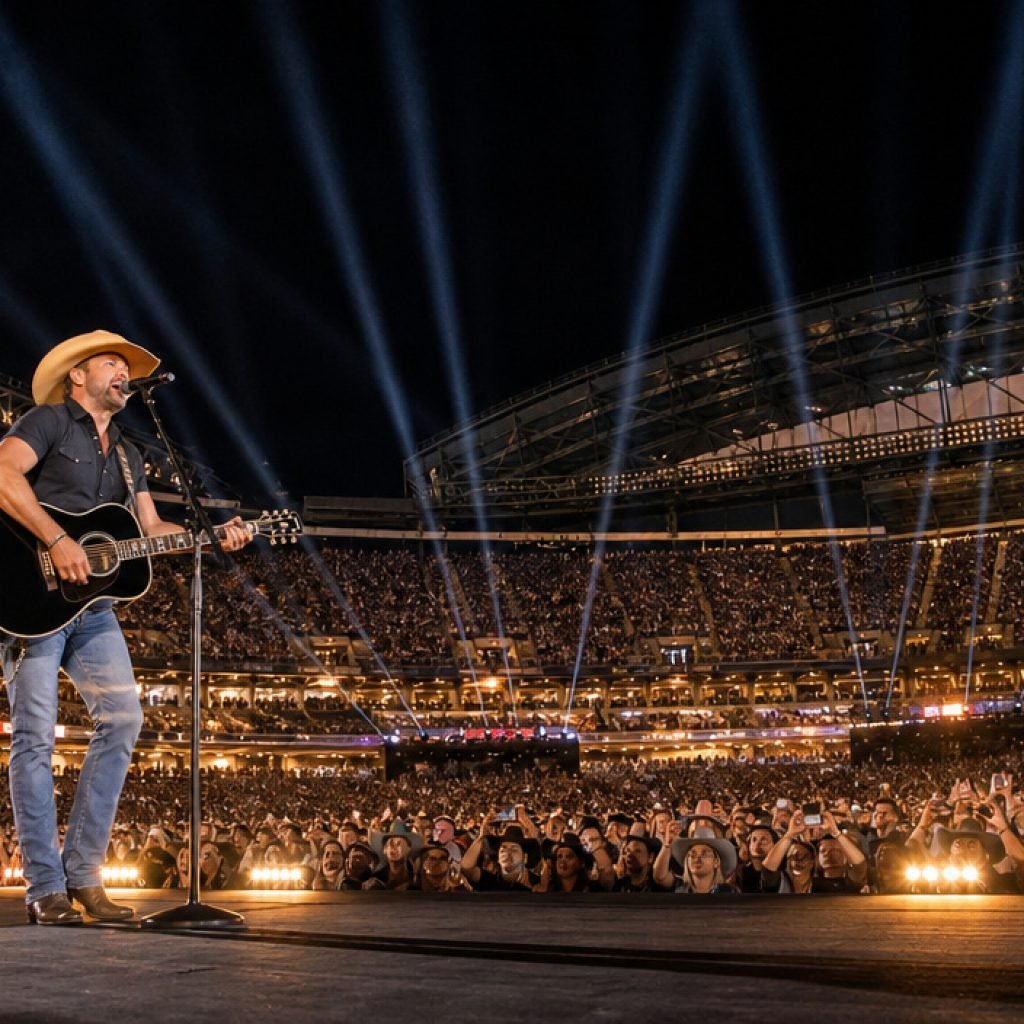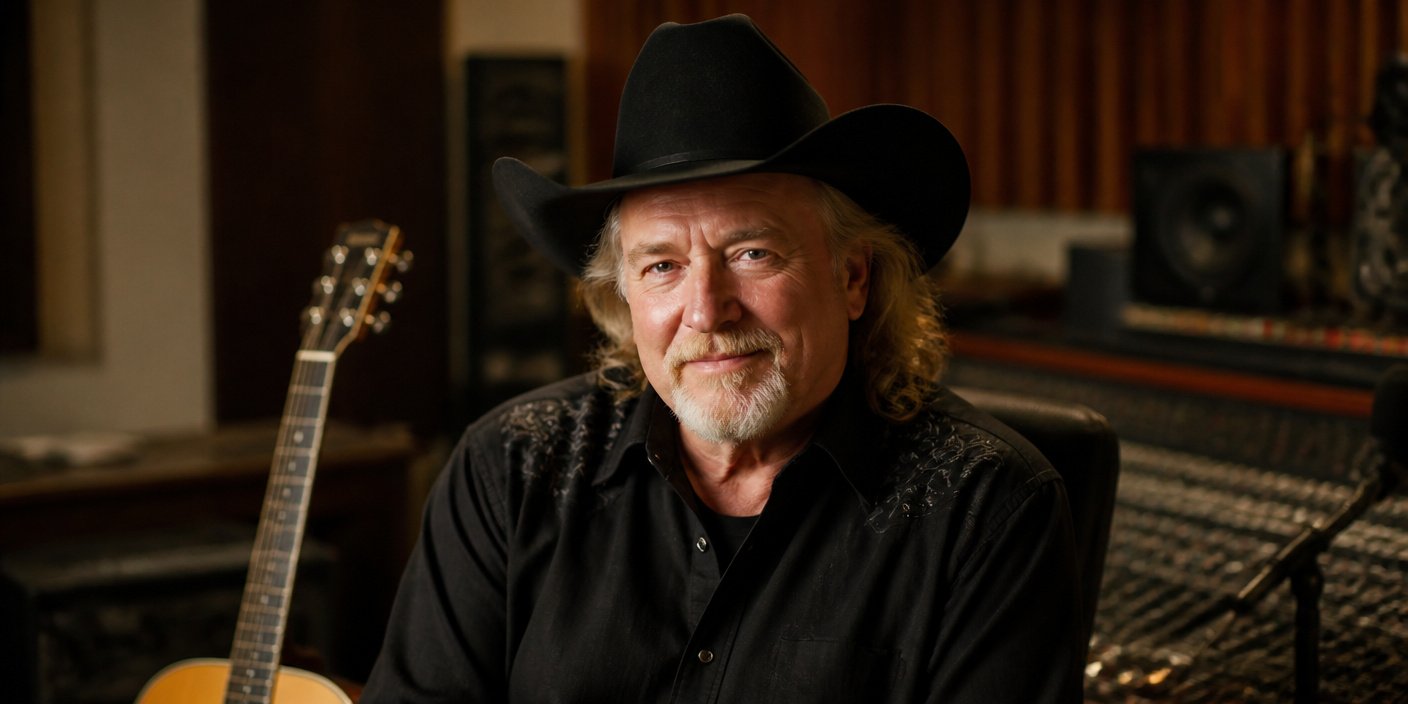
John Anderson, the distinctive voice behind some of country music’s most enduring hits and a proud member of the Country Music Hall of Fame, has passed away at the age of 71. Known for his soulful, twang-heavy delivery and an uncanny ability to balance commercial success with artistic integrity, Anderson’s death marks the end of a pivotal chapter in the history of American country music.
Key Highlights
- Passing: John Anderson died at the age of 71, leaving behind a legacy that spanned over five decades in the music industry.
- Hall of Fame Status: A celebrated Country Music Hall of Fame inductee, Anderson was recognized for his immense contributions to the genre’s preservation and evolution.
- Signature Sound: He is best remembered for his unique, immediately recognizable vocal style and iconic chart-topping tracks that defined the neo-traditionalist movement.
- Enduring Influence: Anderson leaves behind a massive catalog of work that influenced generations of country artists who followed in his footsteps.
The Troubadour of the South: Remembering John Anderson
John Anderson was more than just a hitmaker; he was a bridge between the traditional sounds of the past and the commercial potential of the future. His sudden passing has sent shockwaves through Nashville and beyond, serving as a solemn reminder of the fragility of the legends who helped build the bedrock of the country genre. Born in Apopka, Florida, Anderson brought a distinct regional flavor to Nashville that never felt forced, but rather deeply rooted in the soil of his upbringing. His career, characterized by its consistency and genuine emotional depth, serves as a masterclass in staying true to one’s artistic identity in an industry often driven by trends.
The Rise of a Neo-Traditional Icon
Anderson’s ascent in the late 1970s and 1980s coincided with a critical juncture in country music history. As the industry grappled with the ‘Urban Cowboy’ movement and pop-leaning production, Anderson arrived with a voice that felt like it had been carved out of old cedar and worn leather. His breakthrough hits, including the rollicking ‘Swingin’,’ proved that audiences were still hungry for a sound that respected the roots of honky-tonk while offering a contemporary polish. This song, in particular, remains one of the most recognizable anthems in the history of the genre, showcasing his ability to inject humor, rhythm, and character into a three-minute track.
Throughout the 1980s and into the 1990s, Anderson maintained a grueling touring schedule and a relentless output of high-quality music. He wasn’t just a singer; he was an interpreter of the human condition, particularly through songs that spoke to rural life and the changing American landscape. His seminal hit ‘Seminole Wind,’ released in the early 1990s, was not only a commercial triumph but an environmental and social commentary that highlighted his depth as a songwriter and performer. It remains a testament to his ability to weave narrative storytelling with complex musical arrangements, solidifying his place as an artist who cared deeply about the content of his music.
Preserving the Core: A Hall of Fame Legacy
When Anderson was inducted into the Country Music Hall of Fame, it was a long-overdue validation of his lifelong commitment to quality. The Hall of Fame acknowledges not just commercial success, but impact—and Anderson’s impact is undeniable. He was a ‘singer’s singer,’ often cited by younger artists as a primary influence for his phrasing and his refusal to over-produce his vocal tracks. Unlike many of his contemporaries who might have chased changing radio trends, Anderson largely stayed true to his sound, proving that consistency is its own kind of currency.
His role within the industry extended beyond his recordings. He was a staple of the Grand Ole Opry, a guardian of the traditional sounds that define the Nashville experience. By maintaining his connection to the Opry and the broader community, he ensured that the lineage of country music remained intact, even as the industry shifted toward streaming and digital media. His contributions helped pave the way for the neo-traditional resurgence that occurred later, making him a silent architect of the modern country sound.
The Secondary Angles of a Career
To truly understand Anderson’s place in history, one must look at three secondary angles of his career. First, the Historical Context of the Neo-Traditional Movement: Anderson served as a vital link between the classic era of the 1960s and the commercial boom of the 1990s. Without his bridge, the evolution of country music would have looked vastly different. Second, the Economic Model of Authenticity: Anderson’s career proved that staying authentic to one’s region and style could be a viable, decades-long economic strategy in the music business. He did not need to chase pop crossover fame to remain a household name. Third, the Future of Storytelling: As modern country trends toward pop production, Anderson’s catalog remains a vital resource for emerging artists seeking to rediscover the power of a well-told story, ensuring his influence will survive long after his passing.
FAQ: People Also Ask
Q: What are John Anderson’s most iconic songs?
A: John Anderson is perhaps most famous for his 1983 hit ‘Swingin’,’ which became a massive radio success. Other essential tracks in his catalog include ‘Seminole Wind,’ ‘Wild and Blue,’ ‘Straight Tequila Night,’ and ‘Black Sheep.’
Q: When was John Anderson inducted into the Country Music Hall of Fame?
A: John Anderson was inducted into the Country Music Hall of Fame in recognition of his profound impact on the genre, a move that cemented his status as one of the most influential figures in country music history.
Q: How did John Anderson influence modern country artists?
A: Anderson is frequently cited by modern artists for his unique vocal phrasing and his dedication to storytelling. His ability to blend traditional honky-tonk sensibilities with modern production helped set the stage for artists like George Strait, Alan Jackson, and many contemporary singers who prioritize a ‘rootsy’ sound.
Q: What was John Anderson’s style of music?
A: Anderson was a key figure in the neo-traditional country movement. His music was characterized by a rich, distinctive voice, heavy emphasis on steel guitar and acoustic instrumentation, and lyrics that often explored life, loss, and the American rural experience.