October 16, 2026, has emerged as a high-stakes date in the country music industry, marking a day where critical releases from both established indie favorites and rising songwriters intersect. As fans and industry insiders turn their attention to the Friday release cycle, this date serves as a microcosm of the current state of independent country music, characterized by high-fidelity production, authentic songwriting, and a move away from the sterilized formulas of mainstream pop-country. With significant projects from Jesse Daniel and Matt Tedder hitting shelves and streaming services, this date is not merely a collection of new tunes, but a statement on the genre’s evolving landscape.
Key Highlights
Jesse Daniel’s Return: The Bakersfield-inspired artist drops Looks Like Rain*, a project expected to define the modern traditionalist sound.
Matt Tedder’s Craft: Singer-songwriter Matt Tedder releases Light Touch*, highlighting his evolution as a nuanced, genre-bending storyteller.
- Friday Release Standard: This date reinforces the music industry’s global Friday release standard, a strategic move for maximizing first-week chart impact.
- Independent Resurgence: The success of these releases underscores the growing market power of independent labels and artists bypassing traditional Nashville gatekeepers.
The October 16, 2026 Country Music Almanac
The synchronization of album release dates is often a calculated effort by record labels to avoid competition and capitalize on algorithm-driven discovery platforms. However, October 16, 2026, feels organic. The focus on this specific Friday underscores a recurring theme in modern country: the strength of the “alternative” country circuit. By analyzing the work of Jesse Daniel and Matt Tedder, we can better understand how the industry is pivoting toward long-form, cohesive albums that demand listener attention rather than passive background play.
Jesse Daniel’s Looks Like Rain: A Bakersfield Revival
Jesse Daniel has spent the last few years solidifying his reputation as a torchbearer for the Bakersfield sound—a genre historically defined by the stinging electric guitars and rough-edged vocals of artists like Buck Owens and Merle Haggard. With the arrival of Looks Like Rain, Daniel is positioned to bridge the gap between historical reverence and contemporary appeal. Industry analysts note that Daniel’s trajectory—moving from independent obscurity to a recognized force in the Americana and country charts—mirrors the broader trend of fans craving authentic “roots” music.
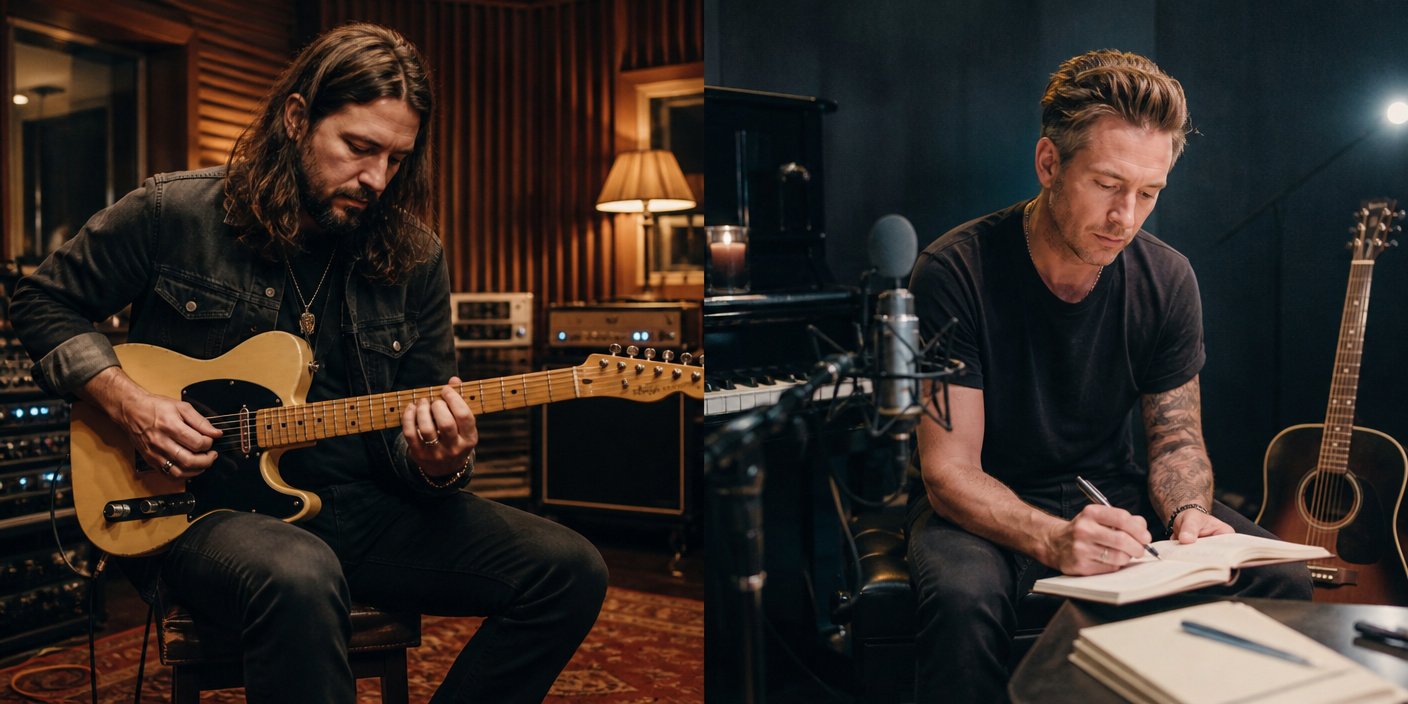
Looks Like Rain is expected to leverage the sonic architecture that made his previous work successful: tight rhythm sections, prominent telecaster leads, and lyrics that trade in the currency of blue-collar life, heartbreak, and resilience. For listeners, this album acts as a benchmark. If Daniel’s previous output was an audition for country greatness, this project serves as his thesis statement. The production quality on this release, rumored to be stripped of unnecessary polish, suggests a return to the studio dynamics of the 1960s and 70s, which is currently a high-demand aesthetic among purist audiophiles.
Matt Tedder’s Light Touch: The Songwriter’s Songwriter
Contrasting the Bakersfield energy of Jesse Daniel, Matt Tedder brings a different texture to the table with Light Touch. Tedder has long been known as a “songwriter’s songwriter,” a moniker that implies an artist who is admired more by peers for technical proficiency and lyrical depth than by the masses for radio play. Yet, the anticipation for Light Touch suggests that the listener base is finally catching up.
Tedder’s approach to songwriting is cerebral and atmospheric. His work often leans into the intersection of blues, folk, and country—a hybrid sound that resists simple categorization. Light Touch appears to be an exploration of vulnerability, likely relying on dynamic shifts and minimalist arrangements to elevate the lyrical content. In an era where country music is often criticized for becoming overly compressed and “wall-to-wall” loud, Tedder’s project represents the necessary counter-balance. The album is a testament to the fact that dynamic range—the difference between the softest and loudest parts of a recording—remains a critical component of artistic expression.
The Shift Toward Independent Country Dominance
The significance of these two releases arriving on October 16, 2026, cannot be understated when looking at the broader economic impact of independent country music. In the past, independent artists struggled to gain traction without the “machine” of major label distribution. Today, the democratization of streaming and the efficacy of direct-to-fan marketing models have leveled the playing field. When artists like Daniel and Tedder drop major projects, they aren’t just competing against each other; they are competing for a slice of the listener’s finite attention span.
This release day highlights a shift in power. Fans are increasingly following the artist rather than the label or the radio station. The success of these albums will likely provide case studies for how independent musicians can successfully navigate the crowded digital marketplace without sacrificing creative integrity.
Forecasting Chart Performance and Cultural Impact
While traditional chart tracking still favors high-volume pop-country, the critical reception of these releases on October 16, 2026, provides a different type of “win.” For artists in this tier, longevity is the primary metric. These albums are designed to be “growers”—projects that listeners revisit, discuss in forums, and eventually define as “classics” years down the line. By dominating the conversation on this specific Friday, both Daniel and Tedder are securing their place in the 2026 “Best Of” lists, which will have a cumulative effect on their streaming numbers and tour attendance well into 2027.
FAQ: People Also Ask
Q: Why do most country music albums release on Fridays?
A: Since 2015, the International Federation of the Phonographic Industry (IFPI) mandated a global Friday release day. This was done to curb music piracy, which was higher in some regions when releases were staggered by day of the week, and to capitalize on weekend consumer spending behavior.
Q: Are Jesse Daniel and Matt Tedder on the same record label?
A: While both artists operate within the independent country and Americana sphere, they represent the diversity of that circuit. Their concurrent releases on October 16, 2026, reflect a shared commitment to artistic independence rather than a unified label strategy.
Q: How does the Bakersfield sound differ from mainstream Nashville country?
A: Historically, the Bakersfield sound (originating in California) was a reaction against the smooth, “string-laden” Nashville Sound of the 1950s and 60s. It features more electric instrumentation, an aggressive drum beat, and an emphasis on “honky-tonk” sensibilities, whereas Nashville country often incorporates pop production elements.
Q: Will these albums be available on vinyl?
A: Given the focus on audiophile-grade production from both Jesse Daniel and Matt Tedder, physical formats like vinyl remain a priority for their target demographic, serving as both a tangible memento and a high-fidelity listening experience.