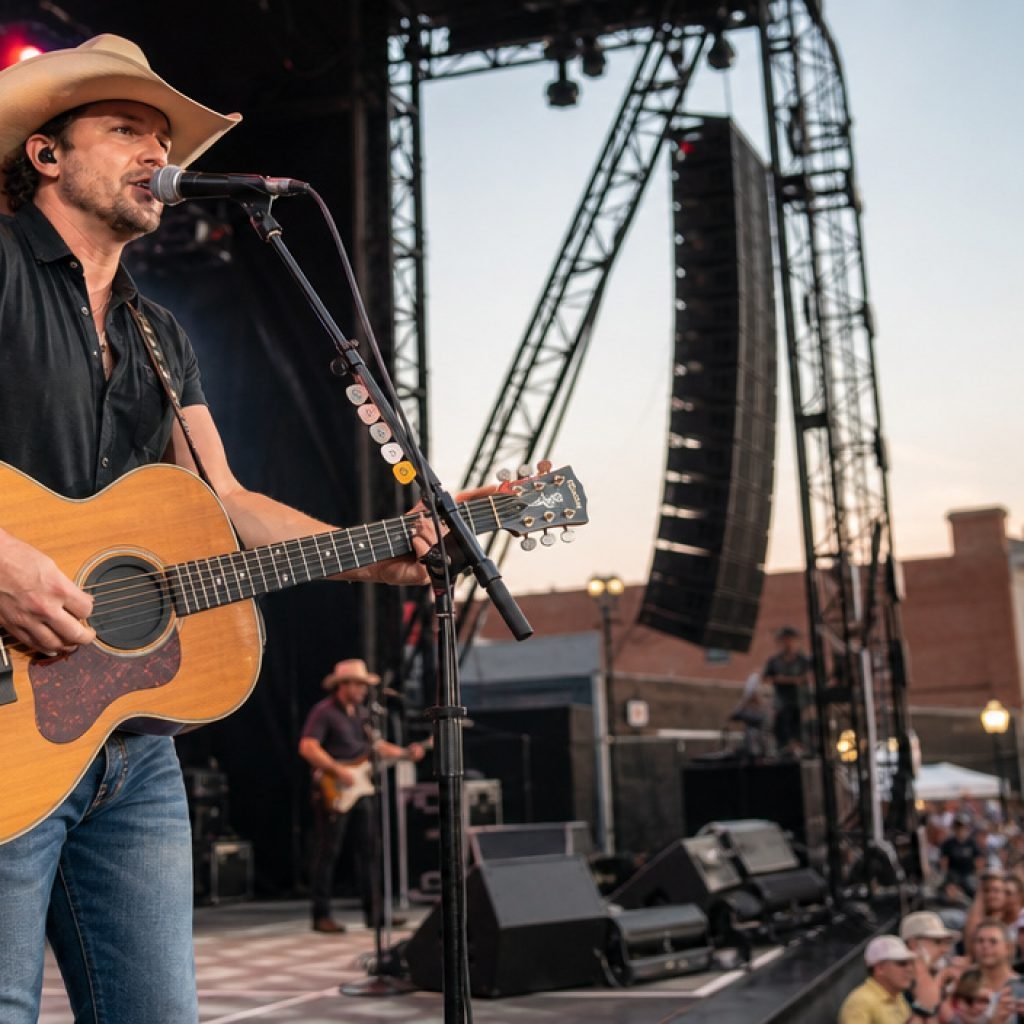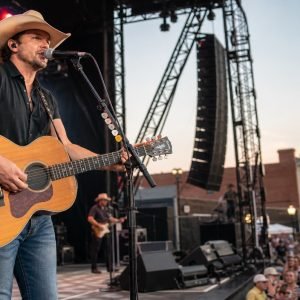
The country music industry is often defined by its pursuit of the next radio hit, yet Brothers Osborne—comprised of siblings T.J. and John Osborne—have opted for a different path with their fourth studio album, Watertown. Released via EMI Records Nashville, the album represents a distinct departure from their high-octane, guitar-heavy signature sound. Instead of chasing the commercial momentum of their previous arena-ready anthems, the duo delivers a conceptual, acoustic-centric project that explores the geography of memory, loss, and the inevitability of change. By focusing on narrative over production spectacle, the brothers prove that the most resonant way forward is to acknowledge the foundational stories of where you came from.
The Conceptual Shift: Moving Beyond the Arena
For much of their career, Brothers Osborne built their reputation on blues-infused, swaggering southern rock. Tracks like “It Ain’t My Fault” established them as a formidable live force capable of dominating large venues with electric energy. Watertown, however, is an exercise in restraint. Produced by the acclaimed Daniel Tashian, the album functions less as a collection of singles and more as a cohesive narrative arc.
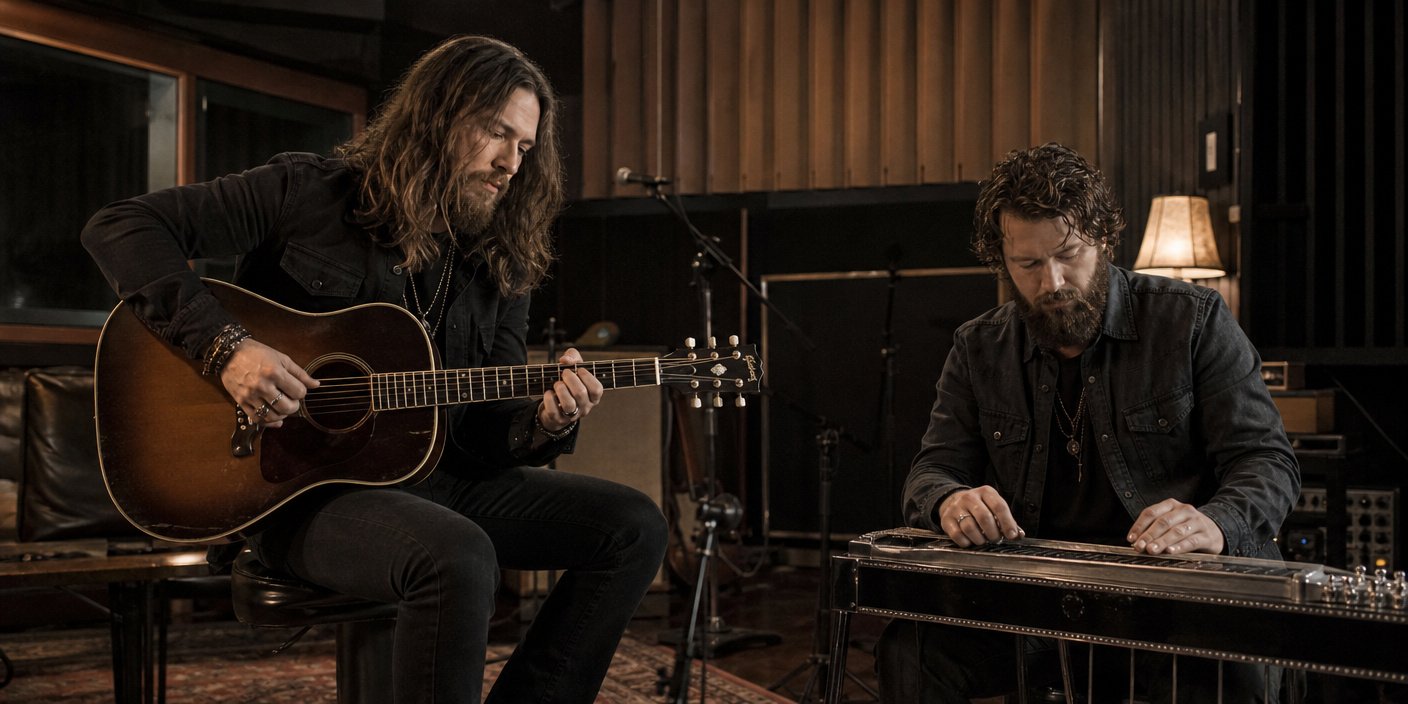
Tashian, known for his work with Kacey Musgraves on Golden Hour, brings a subtle, atmospheric sensibility to the project. The production choices prioritize clarity and intimacy. Acoustic guitars, pedal steel, and T.J. Osborne’s weathered, emotive vocals take center stage, creating a space where the lyrics—which grapple with the nuances of blue-collar life and the inescapable pull of one’s hometown—can breathe. This is not the sound of a band looking to fill stadiums; it is the sound of a band attempting to fill the void of authentic, personal storytelling in an increasingly plastic genre landscape.
Strategic Collaborations: Enhancing the Narrative
While the album is firmly rooted in the duo’s creative vision, the guest features are carefully selected to enhance the thematic gravity of the record. The inclusion of Cody Johnson and Stephen Wilson Jr. is not merely a marketing maneuver but a structural reinforcement of the album’s tonal identity.
Cody Johnson, a titan of the modern independent-turned-mainstream country movement, brings a grit and traditionalist credibility to the project. His collaboration fits seamlessly within the Watertown ethos—a shared commitment to keeping the songwriting honest. Similarly, Stephen Wilson Jr. offers a haunting, alternative-country perspective that deepens the album’s emotional stakes. These collaborations serve as a bridge between the brothers’ artistic evolution and the broader, vital movement of contemporary country artists who prioritize craft over commercial viability. By inviting artists who mirror their own dedication to narrative songwriting, the duo has curated a project that feels like a conversation among peers rather than a calculated industry push.
The Anatomy of ‘Watertown’: Lyrical Precision
The album’s title track acts as a thematic anchor, setting the tone for a collection of songs that examine the complexities of small-town roots. The lyrics are littered with the specific details that define country music at its best: the dust, the fading lights, and the people who stay behind versus those who leave. There is a palpable tension in the writing—a realization that while home is a place of comfort, it is also a place that can trap the soul if one is not careful. This dichotomy is explored with a level of vulnerability that the brothers have hinted at in previous work but never fully committed to until now.
Secondary Angles: Analyzing the Broader Context
1. The Evolution of the Nashville Sound: Watertown represents a larger industry trend where established acts, having achieved mainstream success, are increasingly using their capital to push back against the rigid constraints of “Bro-country” and pop-country hybrids. The success of this album signals that there is a significant, attentive audience for conceptual, artist-driven records that defy radio-single formulas.
2. The Economics of Genre-Blending: By leaning into southern rock and folk sensibilities, Brothers Osborne are diversifying their potential fan base. This album appeals to the Americana and Alt-Country demographics, effectively insulating the duo from the volatility of country radio airplay rankings and positioning them as legacy artists with long-term touring viability.
3. The Artistic Risk of Reinvention: Moving away from the sound that generated their biggest hits is a significant gamble. However, the critical reception of Watertown highlights that for established artists, “branding” is increasingly becoming a cage. The creative freedom exhibited here serves as a template for other artists seeking to mature without alienating their core audience, demonstrating that fan loyalty is often tied to the artist’s sincerity rather than the specific tempo of the music.
Looking Ahead: The Legacy of Authenticity
As the industry continues to fracture into smaller, more niche-focused listener groups, Watertown stands as a testament to the power of the “album” as an art form. Brothers Osborne have successfully transitioned from a band defined by their energy to a band defined by their introspection. While the radio may still crave the high-energy anthems that made them famous, the artistic statement made with this album is far more durable. It establishes them not just as performers, but as songwriters who understand that the best way to move forward is to occasionally look back at the origins that shaped them.