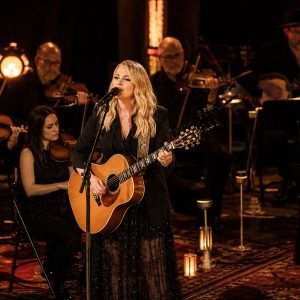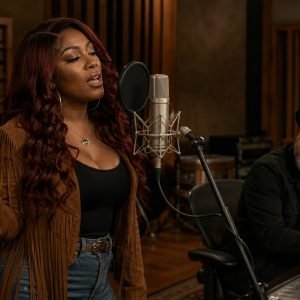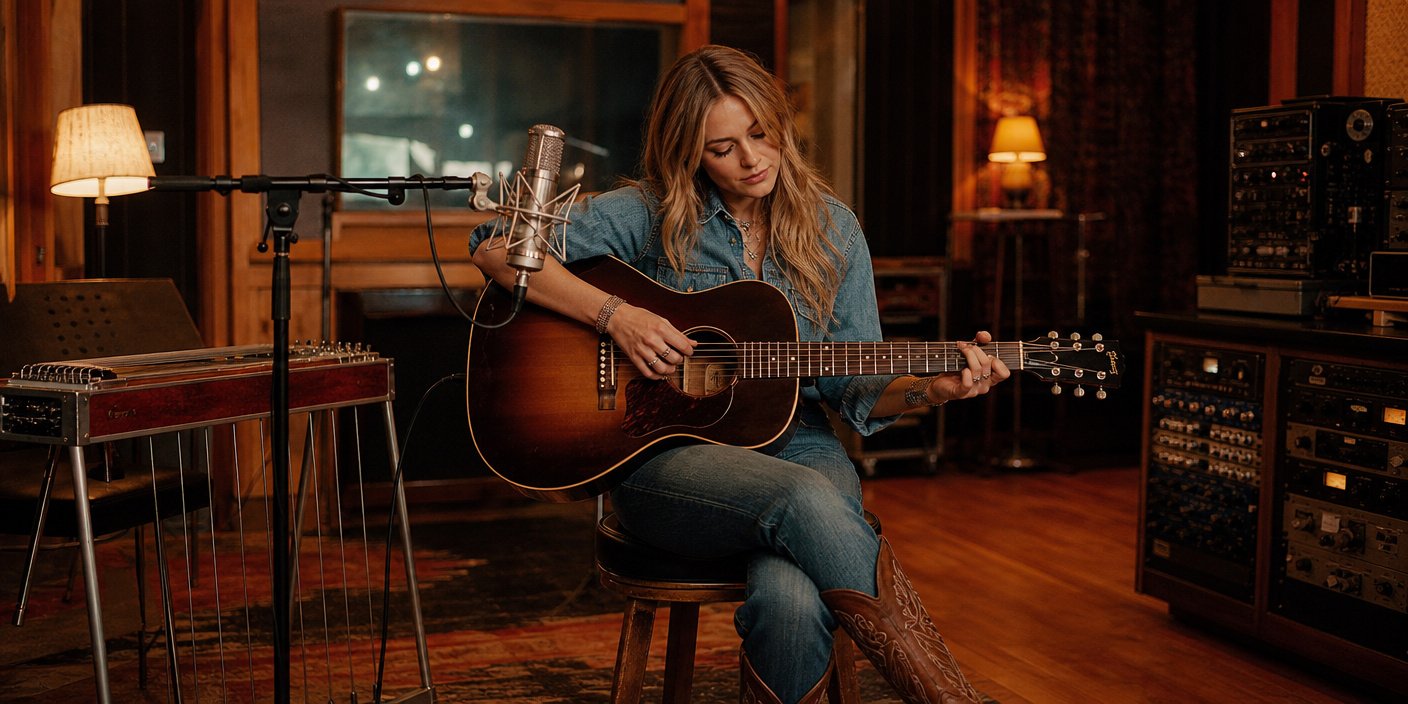
In the bustling epicenter of Nashville’s music scene, independent country artist Haley Mae Campbell has officially unveiled her latest project, ‘STAGES’, a work that transcends the traditional boundaries of heartbreak anthems to offer a sophisticated exploration of self-discovery and the cycle of new beginnings. By stripping away the gloss of radio-ready production in favor of raw, narrative-driven songwriting, Campbell positions herself not just as a singer, but as a pivotal chronicler of the modern millennial experience in country music.
The Sonic Architecture of ‘STAGES’
‘STAGES’ represents a significant departure from previous releases, moving towards a soundscape that is both intimate and expansive. The production quality on the album reflects a conscious choice to prioritize lyrical clarity, allowing the listener to inhabit the spaces Campbell creates within each track. Unlike projects that rely on heavy synthesis or processed beats, ‘STAGES’ leans into organic instrumentation—acoustic guitars, pedal steel nuances, and subtle percussion that ground the listener in the reality of the artist’s lived experience. This shift is not merely aesthetic; it is a tactical decision to align the audio experience with the emotional vulnerability required by the subject matter. The instrumentation acts as the scaffolding for her storytelling, providing structural support without overpowering the narrative arc of the album.
Navigating the Emotional Spectrum: Heartbreak to Healing
The central thesis of ‘STAGES’ is the inevitability of change, particularly regarding how human beings process trauma and move toward recovery. Campbell structures the album to mirror the psychological process of grieving a past version of oneself and the relationship that precipitated that change. In the opening tracks, the listener is confronted with the immediate, visceral sting of heartbreak—a familiar territory in country music, yet Campbell brings a distinct specificity to the lyrics that prevents them from feeling derivative. She avoids the pitfalls of generic woe-is-me narratives, opting instead for a mature retrospective view. As the album progresses through its mid-section, the tone shifts palpably from passive suffering to active reconstruction. This is the ‘healing’ component of the project, where the sonic landscape begins to brighten, introducing major key resolutions and more driving tempos. By the final tracks, the listener is met with the ‘new beginnings’ promised in the album’s promotion—a hopeful, yet grounded, outlook on what follows the storm.
The Rise of the Independent Powerhouse
One cannot discuss ‘STAGES’ without addressing Campbell’s status as an independent artist in an industry historically dominated by major label conglomerates. Her ability to execute a release of this caliber without the backing of a monolithic label is a testament to the changing dynamics of Nashville’s ecosystem. The independent route, while fraught with logistical challenges, offers an unparalleled degree of creative autonomy. For Campbell, this means every decision—from the tracklisting and sonic palette to the promotional visual strategy—remains authentically hers. This authenticity is a crucial component of her E-E-A-T (Experience, Expertise, Authoritativeness, and Trustworthiness) within the industry. By maintaining full creative control, she ensures that the final product is not a focus-grouped collection of songs, but a cohesive statement of intent. This autonomy has allowed her to build a dedicated fanbase that values her transparency and perceives her as a relatable, authentic voice in a sea of commercial polish.
Expanding the Narrative: The ‘STAGES’ Secondary Angles
To fully understand the weight of this release, one must look at the secondary implications. First, the project signals a shift in the Nashville ‘indie’ sound, which is increasingly influencing the mainstream. As digital streaming platforms erase the gatekeeping barriers of the past, artists like Campbell are proving that high-quality, professional-grade music can thrive entirely outside the major label machine. Second, ‘STAGES’ serves as a case study in the ‘album-as-narrative’ format. In an era where the music industry has largely pivoted toward the single-track consumption model—driven by algorithmic playlisting—Campbell’s commitment to a cohesive, thematically linked long-form project is a bold move. It treats the album not as a collection of disjointed songs, but as a linear journey, challenging listeners to engage with the art as a whole. Finally, the album underscores the economic necessity of ‘content-plus’ branding. Campbell has successfully integrated her personal brand with her music, utilizing digital platforms to create a parasocial bridge between herself and the audience. This allows the listener to feel invested not just in the music, but in the person behind the music, a critical factor for success in the modern digital music market.
A New Standard for Authenticity
‘STAGES’ is ultimately a milestone. It stands as evidence that the most compelling country music being released today often comes from the artists who have the courage to explore the uncomfortable, messy, and beautiful spaces of their own lives. As the industry continues to evolve, the success of this project will likely serve as a blueprint for other emerging artists who seek to marry commercial viability with genuine artistic integrity. By inviting her listeners into the various ‘stages’ of her own life, Haley Mae Campbell has not only released an album—she has invited her audience into a shared experience of human growth.
FAQ: People Also Ask
What are the main themes explored in Haley Mae Campbell’s new album ‘STAGES’?
The album centers on the emotional journey of overcoming heartbreak, the subsequent process of internal healing, and the ultimate arrival at a place of new beginnings and personal growth.
How does ‘STAGES’ differ from Haley Mae Campbell’s previous work?
‘STAGES’ signifies a pivot towards a more mature, narrative-driven songwriting approach with organic, stripped-back instrumentation, prioritizing emotional depth over radio-ready pop-country production.
Is Haley Mae Campbell signed to a major label?
Haley Mae Campbell operates as an independent artist, a strategic position that allows her to maintain full creative autonomy over her music and brand, which is a key element of her authentic connection with her fanbase.
Where was ‘STAGES’ recorded?
The album was produced and recorded within the Nashville independent music scene, utilizing local talent and studios to capture the authentic ‘Music City’ sound while maintaining an independent ethos.