The country music industry has arrived at a defining inflection point this November 2026. What was once a genre clearly demarcated by fiddle, steel guitar, and distinct lyrical themes is now a battleground of identity. With the dust settling on the recent CMA Awards and the Grammy nomination discourse heating up, fans and critics alike are asking the same question: Is the spirit of the genre being polished into oblivion, or is it merely evolving? The tension is palpable, creating a fracture between the Nashville establishment’s reliance on pop-centric production and the burgeoning demand for the raw, unvarnished storytelling that defined the genre’s golden age. As we navigate the final quarter of the year, the conversation centers on whether the industry can reconcile its commercial ambitions with its cultural soul.
The Channing Wilson Factor
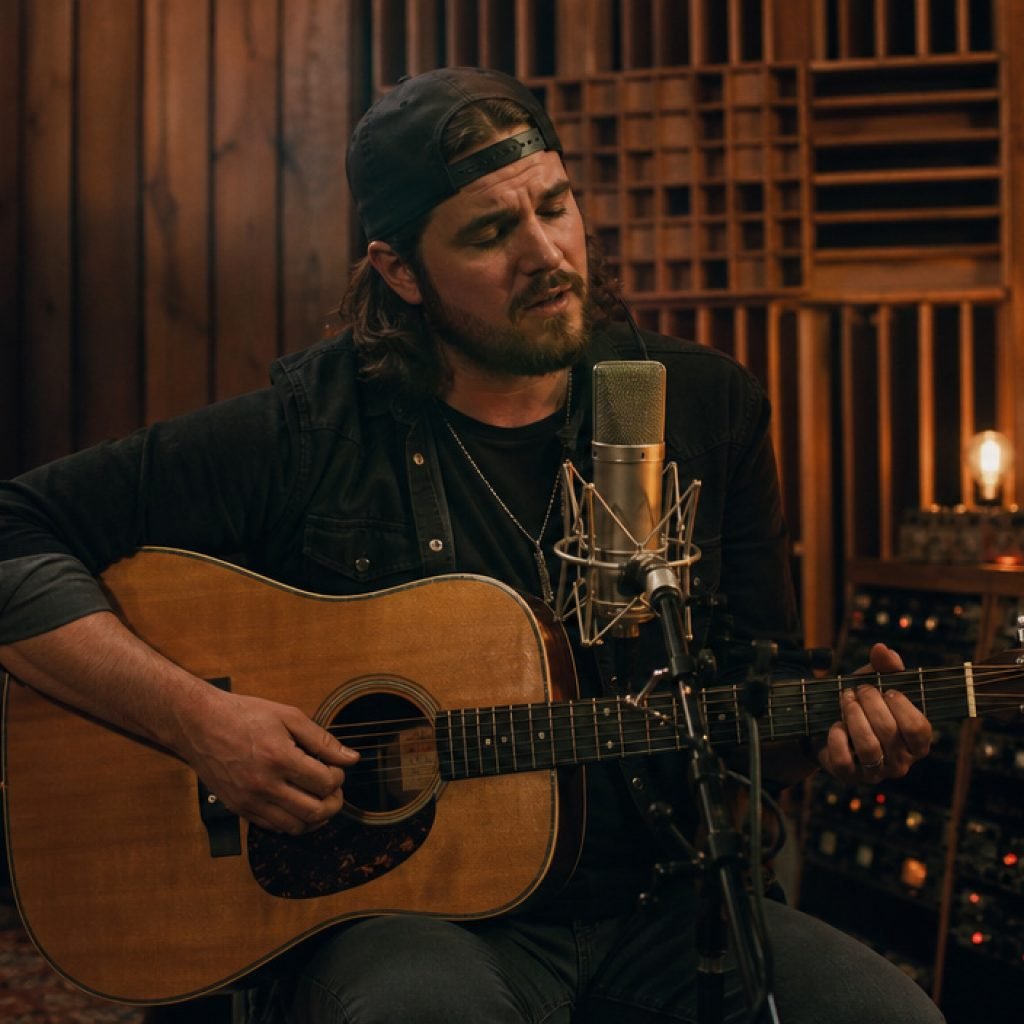
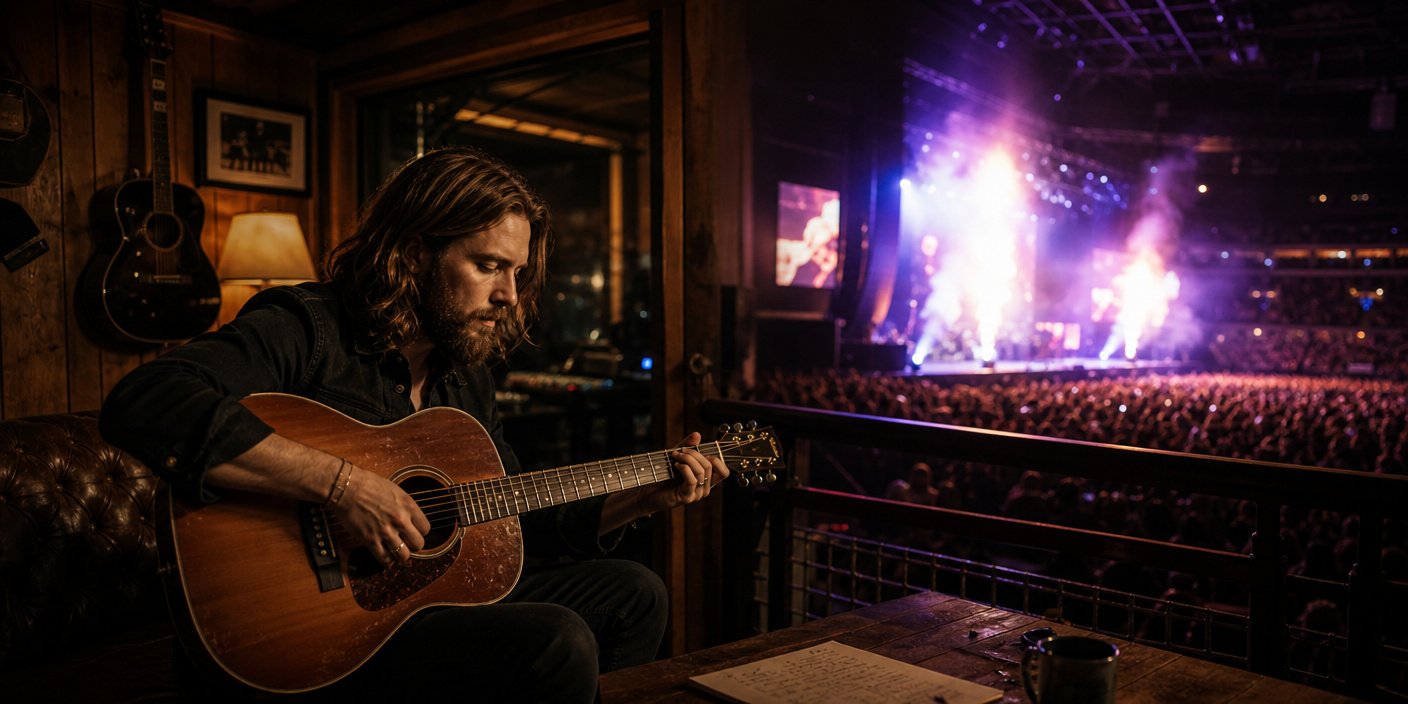
Perhaps the most significant development this month is the renewed excitement surrounding Channing Wilson. His latest album announcement has sent ripples through the underground, acting as a clarion call for traditionalists who feel sidelined by the current radio landscape. Wilson represents the quintessential ‘artist’s artist.’ By leaning into narrative-driven songwriting rather than relying on the predictable hooks that characterize modern ‘Bro-Country’ or pop-country hybrids, Wilson’s project serves as an essential counter-balance to the industry’s current output. This is not just a release; it is a referendum on what country music can be when stripped of over-produced artificiality. Industry analysts suggest that Wilson’s strategy isn’t just an artistic choice—it is a calculated play for the underserved demographic of listeners who have been tuning out mainstream radio in favor of indie-folk and Americana playlists.
The Noah Kahan Paradox and the Grammy Discourse
Parallel to the traditionalist push is the ongoing debate surrounding Noah Kahan and his influence on the Grammy nomination landscape. Kahan’s success has reignited the ‘genre-bending’ debate that has plagued the Recording Academy for years. To some, Kahan represents a vital injection of folk-pop sensibilities that reinvigorates the charts. To others, his heavy presence in categories traditionally reserved for country music is viewed as an existential threat to the genre’s distinctness. This November, the dialogue has shifted from mere annoyance to a complex analysis of how the Academy defines ‘Country.’ Does the genre belong to a sound (instruments, tempo, style) or to a feeling (rural experience, shared struggle)? The Grammy nomination discourse this year suggests that the Academy is favoring the ‘feeling’—and the commercial success—over the sonic technicalities, much to the chagrin of Nashville’s long-time gatekeepers.
Decoding the CMA Awards Controversy
If the Grammy nominations represent the industry’s identity crisis, the recent CMA Awards production served as the visual representation of that crisis. The production has faced intense scrutiny from critics, with many pointing to the overly polished, arena-rock aesthetics that seem increasingly at odds with the intimate roots of the music. The critique is multifaceted: the event’s pacing, the heavy reliance on pyrotechnics, and the lack of reverence for the genre’s legacy have fueled a vocal backlash on social media and music review forums. Industry insiders argue that the CMAs attempted to bridge the gap between pop and country for television ratings, but instead, they alienated the core base. The takeaway is clear: as the industry chases a younger, more eclectic audience, the disconnect with the traditionalist foundation continues to widen, creating a precarious economic and cultural position for major country labels.
Secondary Angles: The Financials of Genre-Bending
Beyond the art, there is a hard economic reality driving these shifts. The ‘crossover’ phenomenon is, objectively, a financial juggernaut. Streaming data from Q3 and Q4 2026 shows that tracks blurring the line between country and pop consistently outperform traditional tracks on the Billboard Hot 100. This data creates a cycle: labels invest more in crossover-ready artists, radio stations play them more frequently, and the genre identity dilutes further. However, the rise of platforms like Substack and independent fan-funding models has created a safety net for traditional artists like Wilson. We are seeing the formation of a bifurcated economy: the massive, streaming-friendly ‘Country-Pop’ industry and the leaner, high-loyalty ‘Traditional’ ecosystem.
Historical Context: The Persistence of the ‘Outlaw’ Spirit
This is not the first time Nashville has faced an identity crisis. The 1970s Outlaw Movement—led by Willie Nelson and Waylon Jennings—was a direct response to the ‘Nashville Sound’ of the time, which many viewed as too lush and pop-influenced. The current situation in late 2026 mirrors that historical tension. The rise of independent production and distribution suggests that history may be repeating itself. We are likely approaching an era where the ‘mainstream’ becomes increasingly irrelevant to true genre enthusiasts, paving the way for a new wave of grassroots, high-quality music that ignores the Nashville establishment entirely.
Future Predictions: The ‘Great Uncoupling’
Looking into 2027, we can expect a ‘Great Uncoupling’ between radio-country and roots-country. Festivals that exclusively book traditionalists, already on the rise in 2026, will likely become the primary revenue driver for artists who refuse to pivot to pop production. Meanwhile, the Grammy categories will likely continue to expand, essentially admitting that ‘Country’ is now a spectrum rather than a lane. The artists who survive this transition will be those who refuse to compromise their sonic integrity, proving that authenticity is a commodity that still commands a high price in an age of AI-assisted, overly polished production.