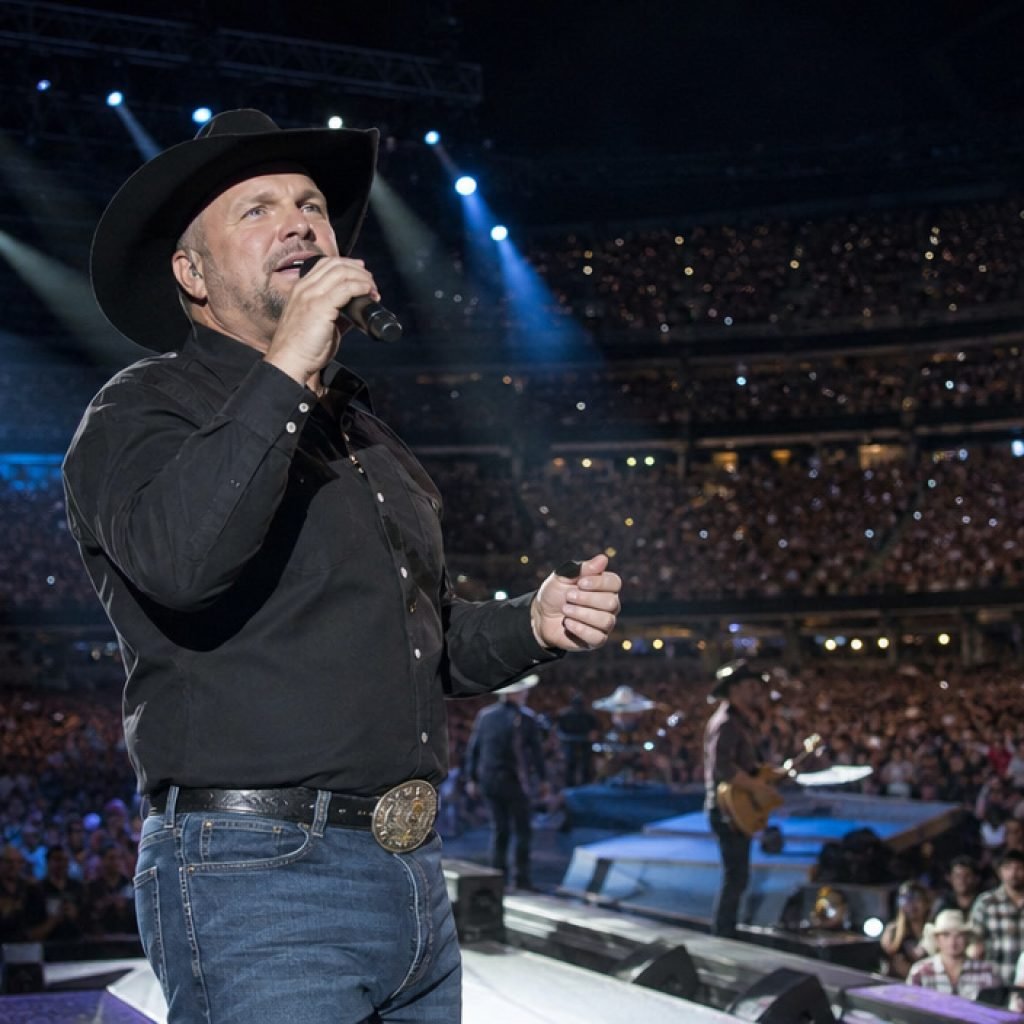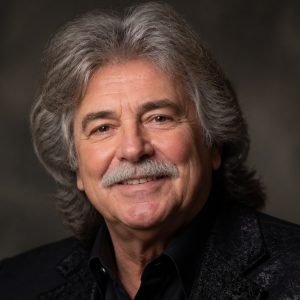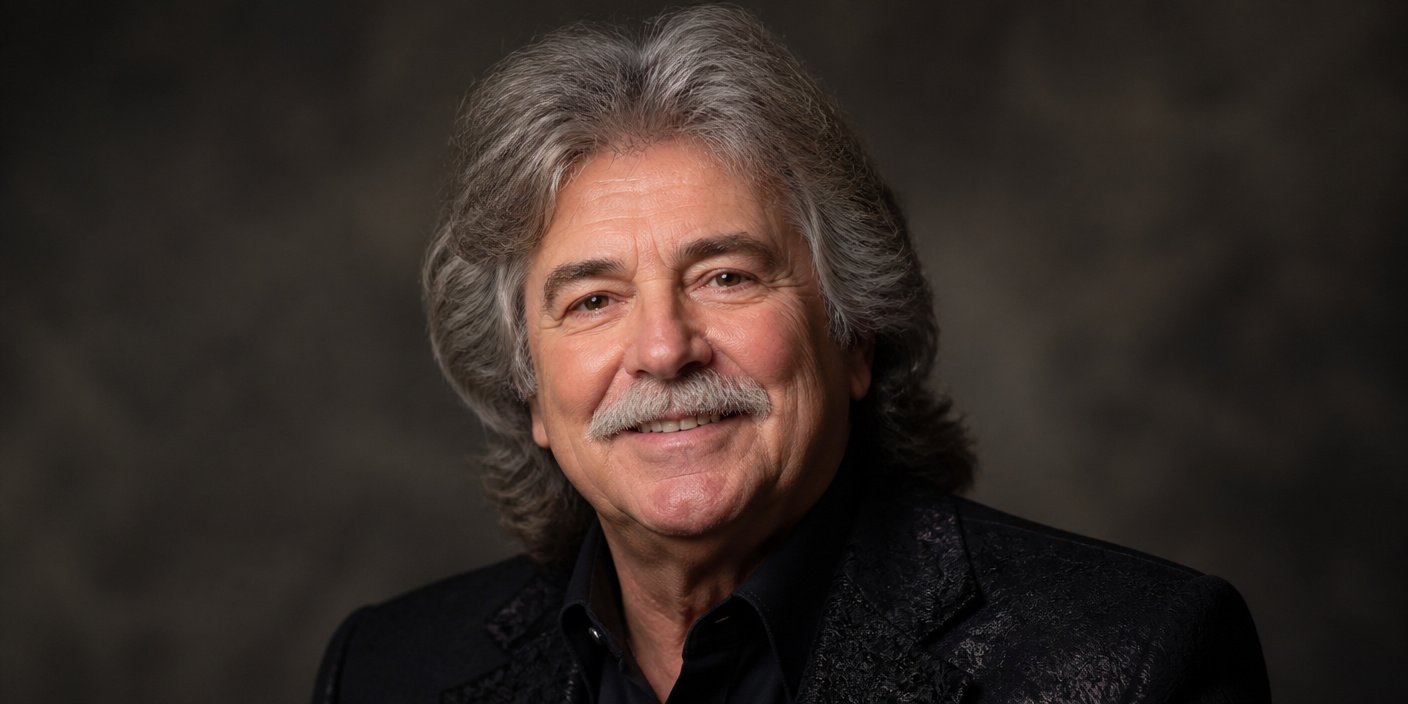
Richard Sterban, the unmistakable and legendary bass vocalist of the Country Music Hall of Fame quartet The Oak Ridge Boys, has passed away at the age of 83. The musician died at his home in Hendersonville, Tennessee, following complications from bronchitis and pneumonia, marking a profound loss for the country and gospel music communities. Known for his resonant, gravity-defying low notes that became a signature sound of American music, Sterban’s legacy extends far beyond a single genre, influencing generations of vocalists.
Key Highlights
- Legacy of a Legend: Richard Sterban, aged 83, has passed away in Hendersonville, Tennessee, following a struggle with complications from bronchitis and pneumonia.
- Musical Titan: As the foundational bass vocalist for The Oak Ridge Boys, Sterban was a 2015 inductee into the Country Music Hall of Fame.
- Opry Tribute: The Grand Ole Opry has officially announced a special tribute performance to honor Sterban’s life and contributions, scheduled for November 21.
- Enduring Impact: Sterban joined The Oak Ridge Boys in 1972, serving as a pillar of the group for over five decades and contributing to their transition from gospel roots to country-pop crossover success.
The Resonant Voice That Defined a Generation
For more than fifty years, the name Richard Sterban was synonymous with the deep, rumbling bass lines that propelled The Oak Ridge Boys to global stardom. Joining the quartet in 1972, Sterban helped shift the group’s sound from traditional Southern gospel to a polished, chart-topping country powerhouse. His performance on the 1981 smash hit “Elvira” remains one of the most recognizable moments in country music history. That singular “oom-papa, oom-papa, mow-mow” bass line did not just top the Billboard Country Singles chart; it became a cultural touchstone, showcasing the depth and range of Sterban’s unique vocal ability.
Transitioning from Gospel to Global Fame
Before The Oak Ridge Boys achieved their country music superstardom, they were revered figures in the gospel circuit. Sterban’s entry into the group provided the crucial low-end frequency that allowed the quartet to compete with the high-production sounds of 1970s radio. This transition was marked by a series of platinum-selling albums and gold records that cemented the band’s status as crossover icons.
Sterban’s professionalism and dedication were well-documented. He was not merely a singer; he was an ambassador for the genre. Even as the band’s commercial success soared, Sterban remained committed to the core gospel harmonies that defined the group’s formation in the 1940s. He provided a bridge between the traditionalists and the modern country music landscape, proving that complex, four-part vocal arrangements could still captivate millions of listeners in an era dominated by synthesized pop.
A Pillar in the Country Music Hall of Fame
The 2015 induction of The Oak Ridge Boys into the Country Music Hall of Fame was a capstone moment for Sterban’s career. The committee highlighted the quartet’s role in modernizing the “vocal group” aesthetic in country music. For Sterban, this was the validation of a lifetime of touring, recording, and maintaining the highest standards of performance art. His contributions were consistently noted for their technical precision; Sterban possessed the rare ability to maintain perfect pitch even while hitting notes that bordered on the subsonic, a feat that requires immense lung control and vocal training—skills he honed over decades of rigorous practice.
The Final Note: Hendersonville and the Opry Tribute
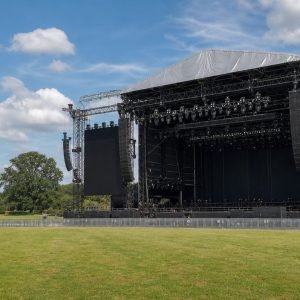
Sterban’s passing in Hendersonville, Tennessee—a city deeply rooted in country music history—underscores his lifelong commitment to the industry he helped build. As friends, family, and bandmates begin the difficult process of memorializing him, the attention turns to the Grand Ole Opry. The Opry has confirmed a special tribute is set for November 21, an event expected to draw artists from across the country spectrum to honor a man who stood on that stage countless times.
This tribute is not merely a performance; it is a recognition of the “Opry spirit” that Sterban embodied. He understood that the institution was about continuity, respecting the past while inviting the future. As the music community prepares to gather, the industry is not just mourning a colleague; they are acknowledging the departure of one of the “four pillars” of a legendary act that influenced the trajectory of country music for half a century.
FAQ: People Also Ask
How long was Richard Sterban a member of The Oak Ridge Boys?
Richard Sterban joined The Oak Ridge Boys in 1972. He remained a continuous, integral member of the group for over 52 years, appearing on virtually every major hit and album recorded during their rise to country music superstardom.
What was the cause of Richard Sterban’s death?
Official reports confirm that Richard Sterban passed away due to complications arising from bronchitis and pneumonia. He was 83 years old at the time of his passing in Hendersonville, Tennessee.
When is the Grand Ole Opry tribute for Richard Sterban?
The Grand Ole Opry has scheduled a special tribute performance to honor the legacy of Richard Sterban on November 21. Fans and artists are expected to gather to celebrate his life and his immense contributions to the country music genre.
What makes Richard Sterban’s bass voice so famous?
Sterban was renowned for his remarkably low, resonant bass vocal range. His ability to deliver “bottom-end” vocals with clarity and precision, particularly during the iconic “bass solo” section of the hit song “Elvira,” became his hallmark and remains one of the most distinct vocal performances in music history.