Randy Travis is back in the spotlight with Same Old Way, an archival collection featuring 12 previously unreleased tracks recorded between 1986 and 2013. Produced by his long-time collaborator Kyle Lehning, this album offers a rare, intimate look at the evolution of one of country music’s most iconic voices across three decades, capturing the essence of an artist who fundamentally reshaped the neo-traditionalist movement.
Key Highlights
- Unheard History: The album compiles 12 tracks that have remained in the vault for years, spanning the peak of Travis’s commercial dominance to his later recording sessions.
- Production Mastery: Long-time collaborator Kyle Lehning, the architect of Travis’s signature sound, returns to the helm to ensure the sonic cohesion of these varied sessions.
- Sonic Timeline: The recordings range from 1986 to 2013, providing listeners a longitudinal study of Travis’s vocal texture and stylistic nuances.
- Genre Stewardship: The project serves as a reminder of the foundational ‘Travis sound’ that influenced generations of country artists currently topping the charts.
Unlocking the Vault: A Retrospective on Randy Travis’s ‘Same Old Way’
The release of Same Old Way is more than a mere collection of B-sides; it is a meticulously curated archival event. For fans of traditional country music, Randy Travis represents the gold standard—a baritone voice that brought grit, sincerity, and impeccable phrasing to the airwaves starting in the mid-1980s. To revisit recordings from 1986 through 2013 is to walk through the history of modern country music itself.
The Lehning Connection: A Producer’s Perspective
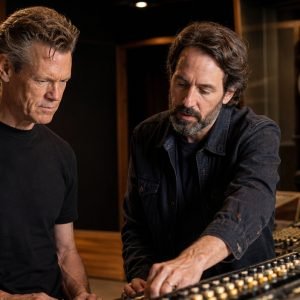
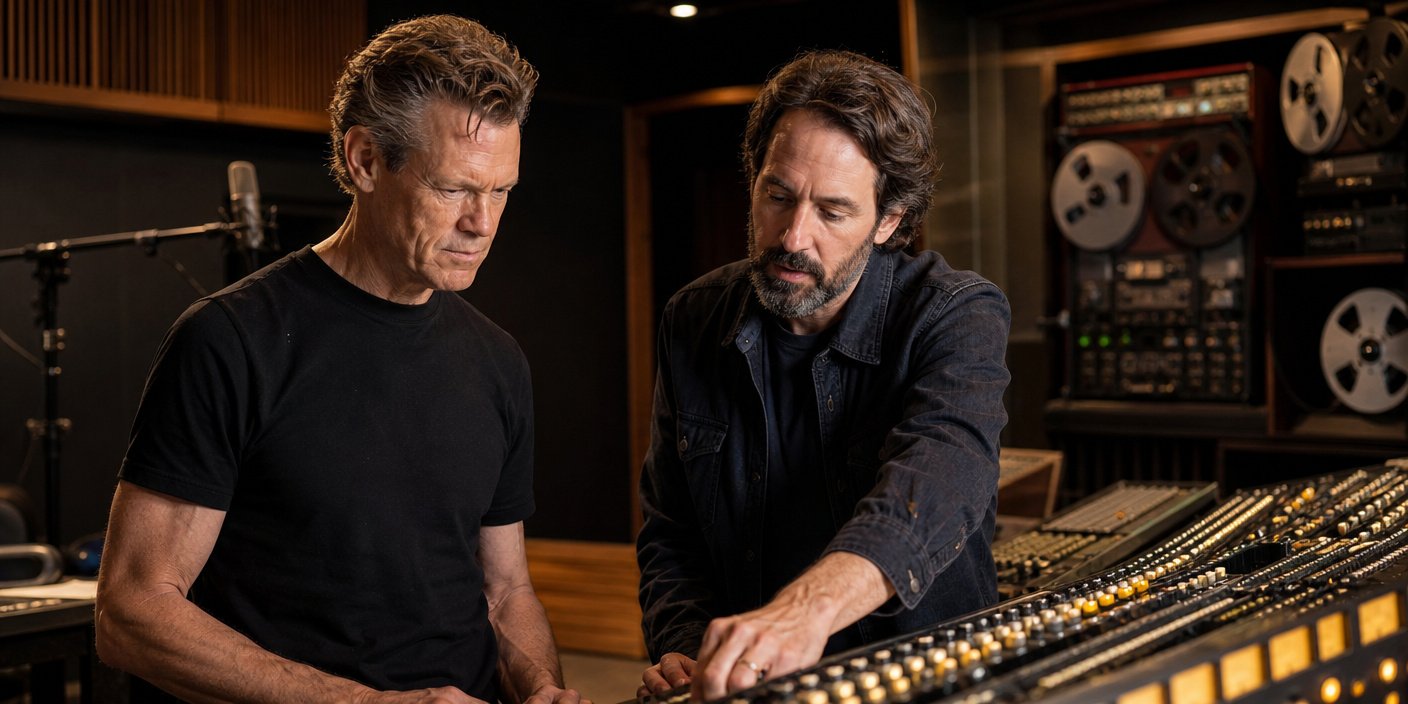
The involvement of Kyle Lehning is perhaps the most critical component of this release. Lehning, who served as the primary architect behind Travis’s greatest commercial successes, possesses an ear for the singer’s nuance that no other producer could replicate. In the world of archival releases, the temptation is often to ‘modernize’ tracks with contemporary production elements. However, based on the early reception of Same Old Way, Lehning has opted for a faithful approach. By maintaining the integrity of the original sessions, Lehning ensures that these tracks do not feel like leftovers but rather like lost classics that simply missed the final cut for albums such as Storms of Life or Always & Forever.
Analyzing the 1986-2013 Vocal Evolution
Tracing Randy Travis’s voice from 1986 to 2013 reveals a fascinating trajectory. In the mid-80s, Travis was at his most agile, possessing a youthful, resonant clarity that defined the ‘New Traditionalist’ movement. By the time the 2000s arrived, his voice had deepened, acquiring a richer, more weathered timber that added gravitas to his later gospel and country work. Same Old Way showcases this transformation in real-time. Fans can hear the sharpness of his early phrasing contrasted against the seasoned, sophisticated delivery of his later years. This collection effectively acts as a vocal diary, proving that while Travis’s production style evolved, the core emotional resonance of his performance remained constant.
Why Archival Releases Matter in Modern Country
In an era dominated by singles and streaming algorithms, the ‘deep dive’ archival album feels like an act of rebellion. Same Old Way provides context to the current landscape of country music, where the ‘Travis sound’ is frequently cited as the primary inspiration for contemporary stars. By releasing this project, the team behind Travis is not only honoring his legacy but also educating a new generation of listeners about the standards of production and performance that built the genre’s foundation. The meticulous process of selecting these 12 tracks from hundreds of hours of raw studio tape speaks to a commitment to quality over quantity—a philosophy often absent in today’s high-volume music industry.
Furthermore, the historical significance of the 1986-2013 window cannot be overstated. This timeframe covers the shift from analog tape to digital recording, the rise and fall of the traditionalist movement, and the genre’s eventual cross-over into pop sensibilities. Having these tracks compiled provides researchers and historians with a concrete primary source for understanding how one of the most influential figures in American music navigated these tectonic shifts in the industry. For the casual fan, it is a chance to experience the ‘new’ Randy Travis record that never was—a missing chapter in the canon of a living legend.
FAQ: People Also Ask
Q: Are these tracks entirely new to the public?
A: Yes, the 12 tracks on Same Old Way are previously unreleased studio recordings that have remained in the vault until this collection.
Q: How does the sound quality compare to his 80s hits?
A: Because these tracks were recorded by long-time producer Kyle Lehning, the production values are consistent with the high standards of Travis’s classic studio albums, ensuring they fit seamlessly into his discography.
Q: What is the significance of the years 1986-2013?
A: This period covers the entirety of Randy Travis’s most active and influential recording career, allowing the album to showcase his growth from a breakout star to a seasoned veteran.
Q: Is Randy Travis involved in this release?
A: Yes, the project is a collaborative effort honoring his legacy, curated with the intent of presenting authentic, high-quality material from his archives.