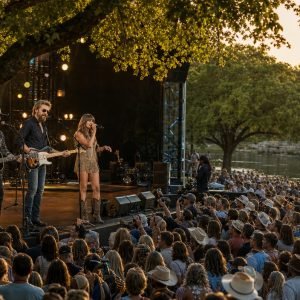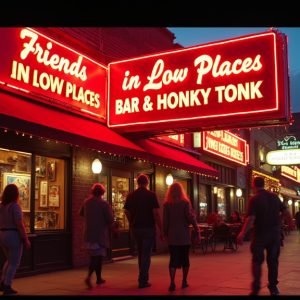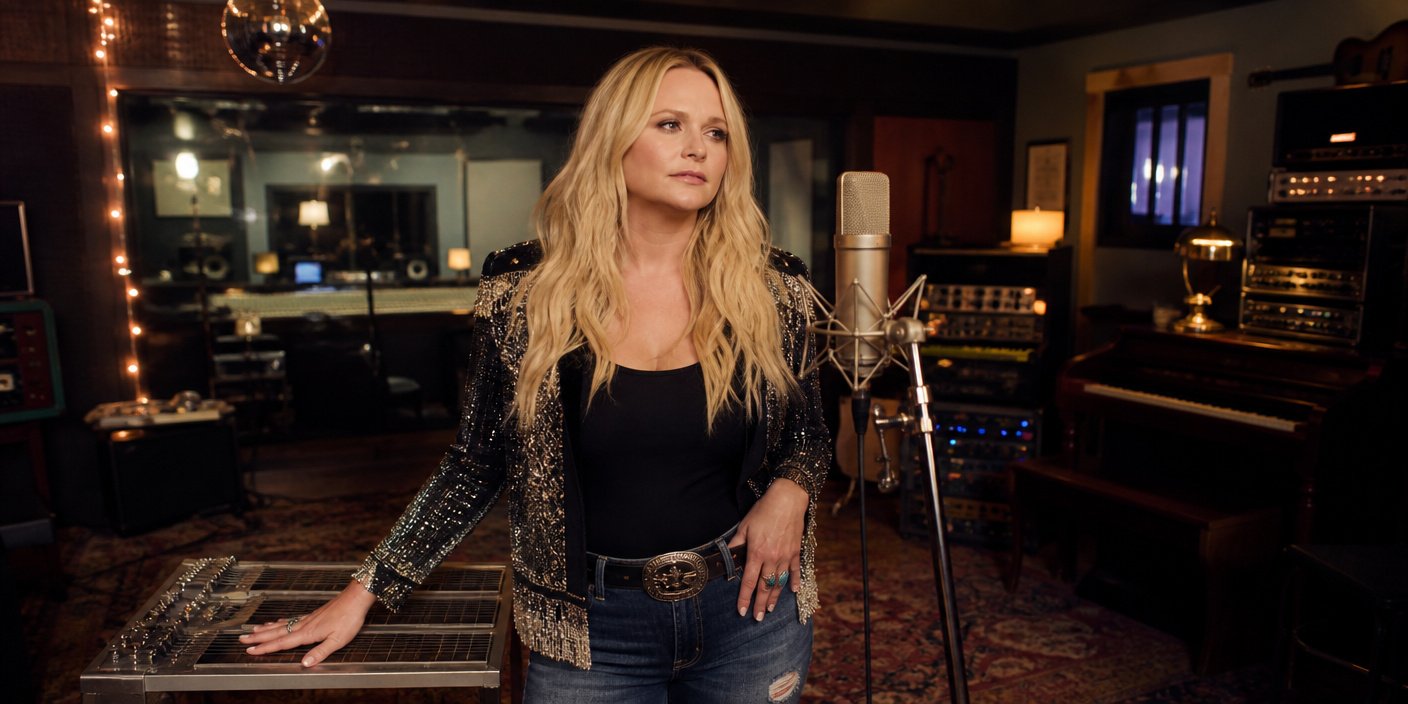
Miranda Lambert is set to pivot into a new ‘country-disco’ sound, an experimental shift for the artist that she describes as a career first. This bold evolution marks a significant departure from her traditional roots while retaining the authentic storytelling that has defined her multi-decade career. Following her recent high-profile transition to Republic Records, Lambert is leveraging this creative freedom to explore the sonic intersection of Nashville-bred country and the pulsating, rhythm-heavy energy of 1970s disco, signaling a vibrant, high-energy era for her devoted fanbase.
Key Highlights
- Artistic Evolution: Miranda Lambert is officially debuting an experimental ‘country-disco’ sound, marking a historic ‘first’ in her illustrious career.
- Strategic Partnership: This shift coincides with her move to Republic Records, granting her new creative autonomy to experiment with non-traditional genres.
- Sonic Fusion: The new musical direction blends signature storytelling lyrics with rhythmic, high-tempo production elements inspired by vintage disco.
- Industry Impact: The pivot positions Lambert at the forefront of a growing movement of country artists crossing traditional boundaries to reach modern pop-leaning audiences.
A New Sonic Horizon: The Fusion of Nashville and the Dancefloor
The announcement of a ‘country-disco’ sound has sent ripples through the music industry, raising questions about how one of country music’s most established voices will navigate such a distinct genre mashup. For Miranda Lambert, this transition is not merely a stylistic exercise but a deliberate exploration of new creative boundaries. Historically, Lambert has mastered the art of the ‘country-rock’ ballad and the sharp-tongued honky-tonk anthem; however, this shift toward disco-infused production elements offers a fresh challenge.
The Republic Records Influence
Following her departure from her long-term home at Sony Music Nashville, Lambert’s move to Republic Records has been widely interpreted by analysts as the catalyst for this bold aesthetic and sonic change. By aligning with a major label powerhouse known for its strength in pop and genre-bending artists, Lambert is clearly positioning herself for a broader, more contemporary cultural impact. Industry experts note that this move allows the superstar to step out of the ‘country traditionalist’ box, a narrative she has frequently challenged but now seems intent on shattering entirely.
Deconstructing the ‘Country-Disco’ Sound
What exactly does a ‘country-disco’ era look—and sound—like for a artist with Lambert’s pedigree? Early indicators suggest an integration of classic, glitter-drenched disco basslines with pedal steel guitars and tight, narrative-driven songwriting. The experimental nature of this sound implies that Lambert is prioritizing rhythm over the standard mid-tempo arrangements that dominate modern country radio. By introducing a faster, danceable tempo, she is essentially inviting her listeners to trade in their boots for heels, without abandoning the emotional grit that makes her music resonate on a deep, personal level.
The Evolution of the Country Brand: Historical Context and Future Predictions
To understand the significance of this career pivot, one must look at the broader history of genre-crossing in Nashville. From Dolly Parton’s ‘9 to 5’ disco flirtations to the modern-day ‘pop-country’ revolution, the infusion of disco elements into country music is a recurring, albeit rare, phenomenon. Lambert’s ‘career first’ claim suggests that she is not just dipping a toe into the water but diving head-first into a fully realized thematic era.
Market Dynamics and Economic Impact
The economic implications of this transition are substantial. By expanding her sound, Lambert increases her potential reach into global pop charts, festival circuits that traditionally skew toward electronic and dance music, and younger demographic pools. This diversification of her sonic portfolio is a textbook example of long-term brand sustainment for a legacy artist. She is moving from being a ‘country staple’ to a ‘crossover icon,’ a strategic maneuver that keeps her relevant in an era where streaming algorithms favor genre-fluid playlists.
Creative Autonomy as a Catalyst
Perhaps the most compelling aspect of this story is the creative agency it represents. After years of being a flagship artist on a major label, Lambert now wields the influence to dictate the terms of her art. This era is less about appeasing radio programmers and more about satisfying her own creative impulses. Whether the fans will follow her into the disco-drenched honky-tonks remains to be seen, but the industry consensus is clear: when a talent of Lambert’s caliber decides to innovate, the rest of the genre pays close attention.
FAQ: People Also Ask
Q: Is Miranda Lambert leaving country music entirely?
A: No, this is an experimental pivot within her established style. Lambert has clarified that the storytelling and emotional depth remain, but with a new rhythmic layer.
Q: Why did Miranda Lambert change labels to Republic Records?
A: The move to Republic Records provided Lambert with the creative freedom to explore new sonic landscapes and align with a label structure better suited to her current ambitions in the pop and crossover markets.
Q: What has Miranda Lambert said about the ‘country-disco’ sound?
A: She has described it as a vibrant departure from her previous work and a ‘career first,’ emphasizing the fun and experimental nature of this specific creative period.
Q: How does this change affect her upcoming tour plans?
A: While specific tour details are pending, industry insiders suggest that her stage shows will likely incorporate these high-energy tracks, potentially shifting the aesthetic of her live performances to match the new disco-inspired sonic palette.