November 2026 has become a watershed moment for the country music industry, marked by intense debate following the recent CMA Awards and the rollout of pivotal Grammy nominations. As the industry grapples with the tension between mainstream pop-country dominance and the resurgence of authentic, roots-driven songwriting, albums like Channing Wilson’s I Ain’t No Outlaw are emerging as the standard-bearers for a shifting cultural tide. This period has underscored a growing dissatisfaction among purists and critics alike, who argue that the genre is losing its narrative soul in exchange for radio-friendly accessibility, prompting a widespread conversation about what it truly means to be a country artist in the late 2020s.
Key Highlights
- The aftermath of the CMA Awards reveals a deepening divide between establishment Nashville and the rigorous quality standards championed by critics and the “Saving Country Music” movement.
- Channing Wilson’s I Ain’t No Outlaw has emerged as a vital touchstone for modern songwriting, signaling a significant departure from the over-produced trends that have dominated the airwaves throughout 2026.
- Grammy nomination lists reflect a contentious tug-of-war, with institutional heavyweights facing increasing pressure to recognize Americana, bluegrass, and traditionalist influences that have historically been sidelined.
The Nashville Schism: Awards, Authenticity, and Industry Standards
The 2026 awards season has inadvertently shone a spotlight on the structural friction within the music industry. The recent CMA Awards ceremony, while a commercial spectacle, has drawn sharp criticism for failing to acknowledge the diversity of talent fueling the genre’s grassroots revival. For years, the tension between the “Nashville Machine”—the conglomerate of label executives, mass-market radio programmers, and booking agents—and the independent sector has been simmering. In November 2026, that tension finally boiled over.
The CMA Fallout: A Disconnect from the Roots
Critics argue that the CMA Awards, traditionally seen as the barometer for the year’s success, have become increasingly detached from the actual sound of country music. The critique is not merely about who won or lost, but about the criteria used to define “country” in the first place. The 2026 ceremony prioritized commercial reach over critical or artistic merit, a move that alienated a significant portion of the fanbase that has been migrating toward independent, storytelling-heavy tracks. This disconnect is problematic, not just for the awards show itself, but for the industry’s long-term health. When the primary validator of a genre ceases to represent its most innovative artists, it creates a vacuum that independent media and platforms like the “Saving Country Music” blog are increasingly rushing to fill.
Channing Wilson and the Return to Songcraft
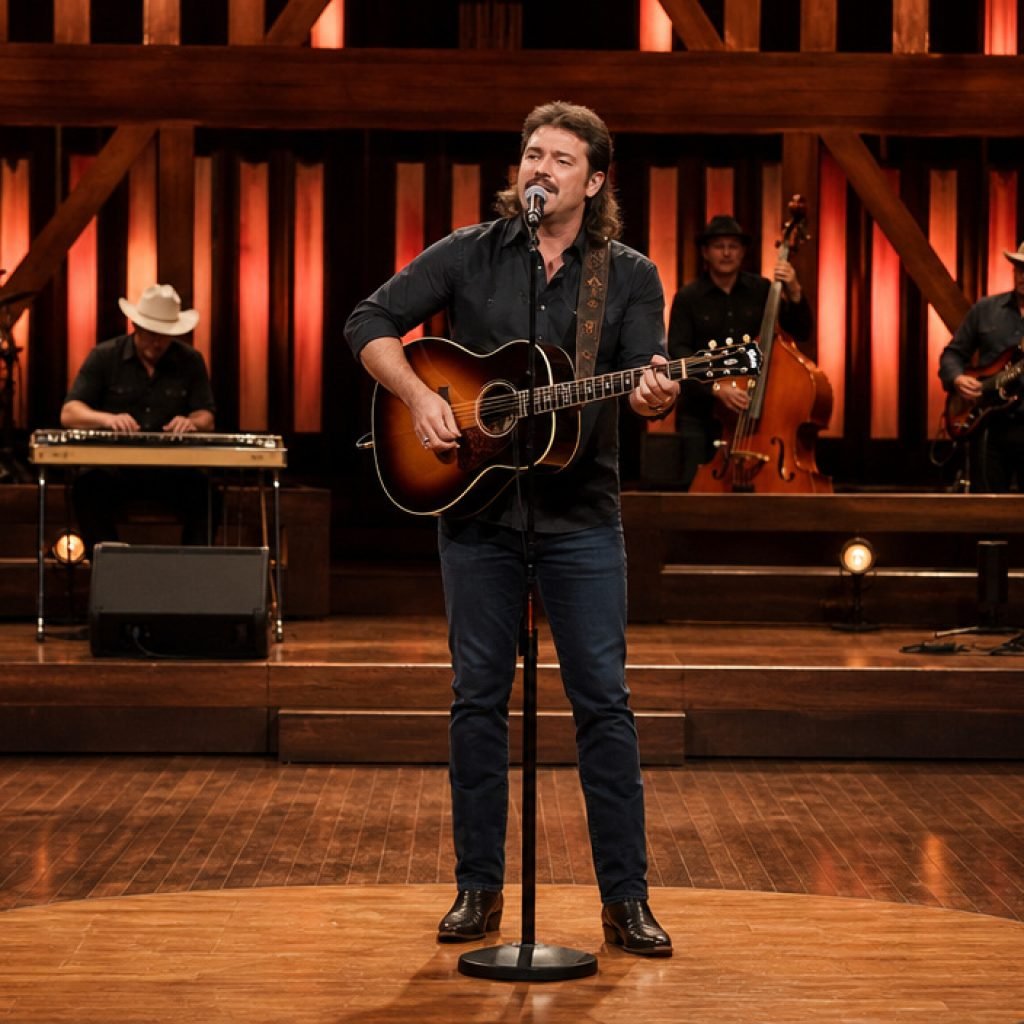
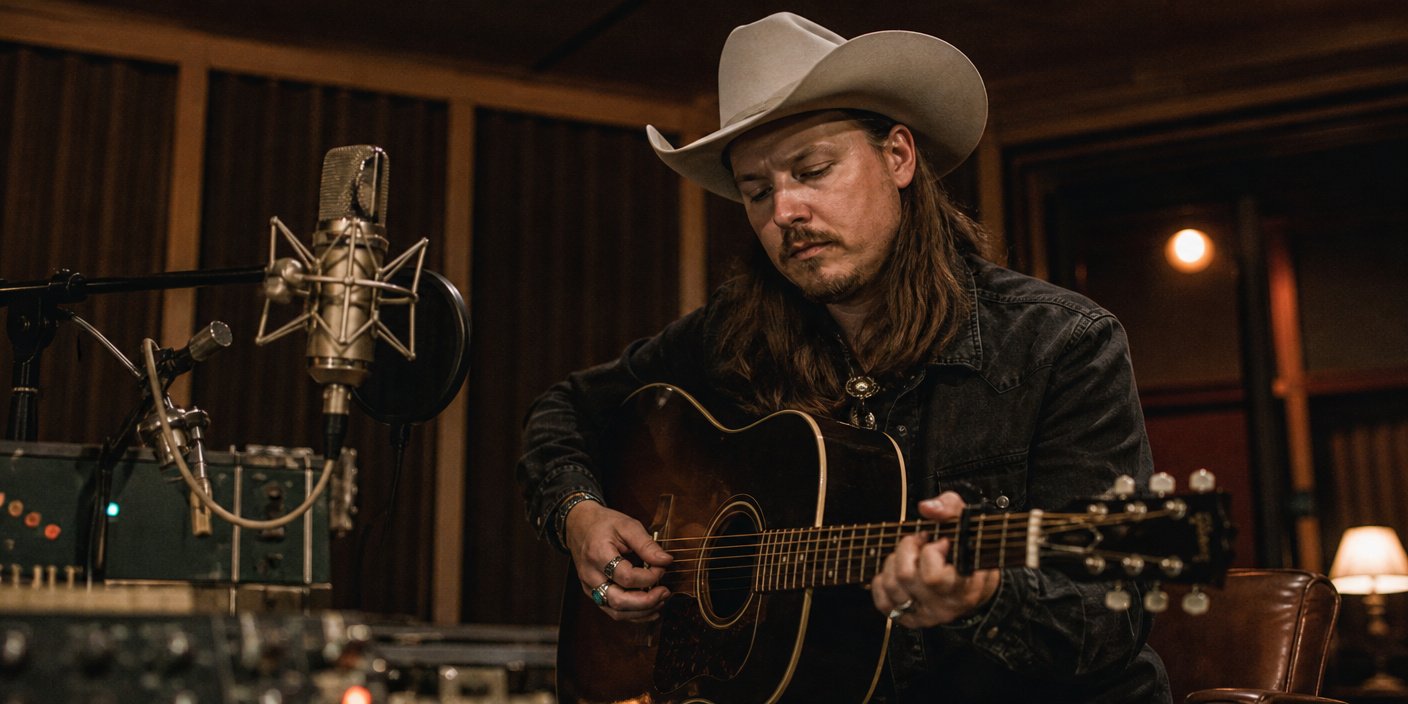
Amidst this institutional noise, Channing Wilson’s I Ain’t No Outlaw has arrived as a necessary recalibration. Wilson, whose work has long been a favorite of those who prioritize lyricism and grit, delivers an album that refuses to apologize for its traditionalist leanings. The significance of I Ain’t No Outlaw lies in its craftsmanship. It serves as a rebuke to the “bro-country” and “pop-crossover” sounds that have saturated the charts. By prioritizing steel guitar, honest vocals, and narrative-driven compositions, Wilson has demonstrated that there is a viable, sustainable market for music that values authenticity over algorithm-friendly hooks. His success this November is a proof-of-concept for artists who operate outside the major label system, proving that the “outlaw” spirit is not a marketing gimmick but a legitimate sonic aesthetic that resonates with a growing demographic of listeners tired of homogenized music.
Grammy Nominations and the Americana Tug-of-War
The Grammy nomination cycle for the 2027 ceremony, which has been the primary focus of discussion throughout November, offers a glimmer of hope for those seeking institutional validation for non-mainstream artists. Unlike the CMAs, the Grammys have shown a unique, if inconsistent, willingness to branch into Americana and folk-country categories. However, the struggle remains for these artists to break out of the “genre-specific” boxes and into the general field. The industry is currently witnessing a push-pull dynamic: institutional gatekeepers are realizing that they cannot ignore the critical acclaim of artists who embody the “Saving Country Music” ethos, yet they remain hesitant to give these artists the center-stage spotlight. This nomination cycle serves as a proxy war for the soul of the genre, determining whether the future of country music will be defined by its roots or by its commercial utility.
Economic Implications and the Future of Touring
Beyond the awards and the albums, November 2026 has provided a clearer look at the economic reality of the industry. The success of artists like Wilson is reshaping the touring landscape. While mainstream stadium acts continue to command massive ticket prices, there is a burgeoning market for mid-tier, high-fidelity concerts where the experience is centered on the song rather than the pyro. This shift is economically significant; it represents a more sustainable model that relies on long-term fan loyalty rather than fleeting radio hits. Investors and labels are taking note: the “independent” path is becoming increasingly profitable, which may ultimately force a change in how major labels approach artist development in 2027 and beyond.
FAQ: People Also Ask
1. What is the “Saving Country Music” movement?
It is a cultural and critical movement that advocates for the preservation of the genre’s traditional roots, focusing on authenticity, lyrical depth, and musical integrity. It serves as a watchdog against the homogenization of country music by pop industry standards.
2. Why is Channing Wilson’s I Ain’t No Outlaw considered significant?
It represents a shift back to traditional songwriting values and grit. The album is seen as a benchmark for artists who reject the over-produced, commercial pop-country sound that has dominated recent mainstream airplay.
3. How did the 2026 CMA Awards differ from previous years?
While consistent in its commercial focus, the 2026 awards saw a marked increase in public criticism regarding the lack of recognition for independent and non-mainstream artists, fueling a wider industry debate about the validity of the awards as an accurate representation of the genre.
4. What does the Grammy nomination list reveal about the state of country music?
It reveals a split between the mainstream commercial market and the critical/Americana market. The difficulty remains for traditionalist and independent artists to gain recognition in major categories, despite critical acclaim and clear cultural influence.