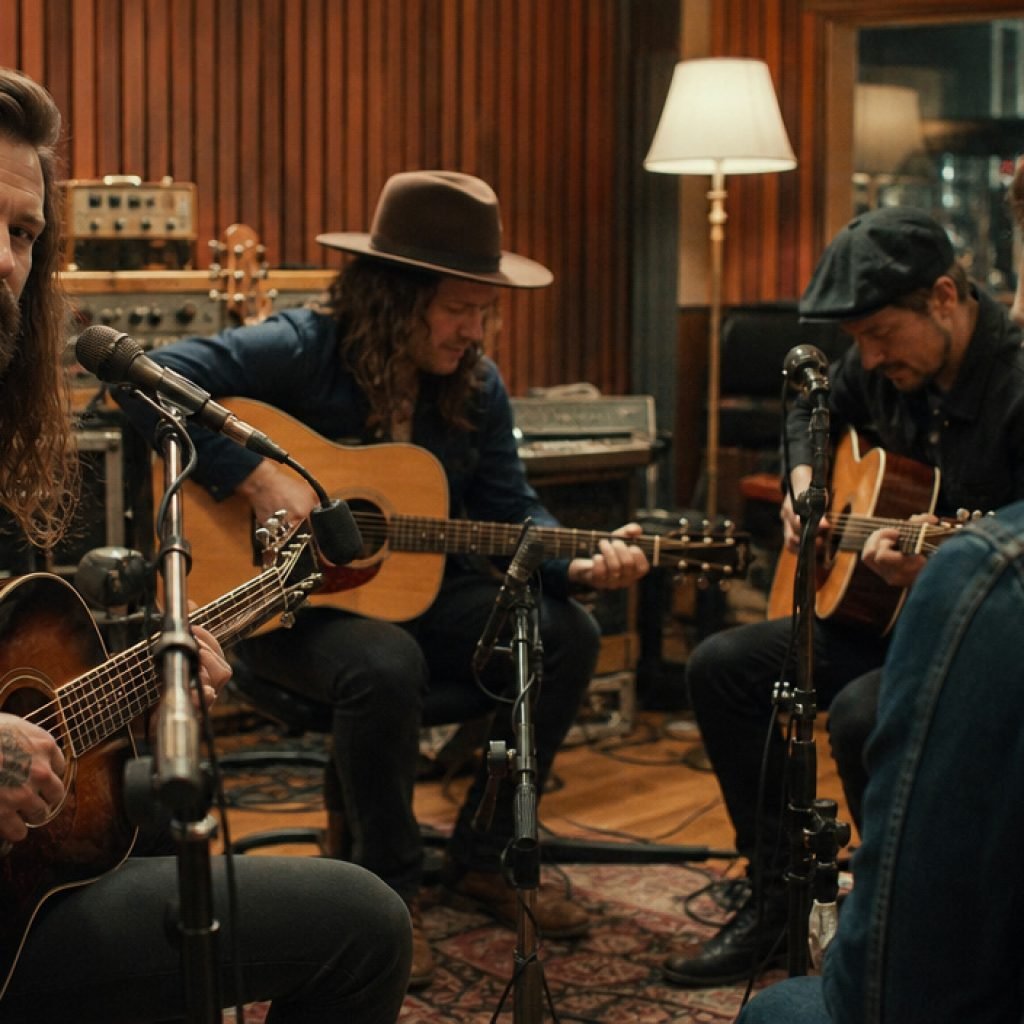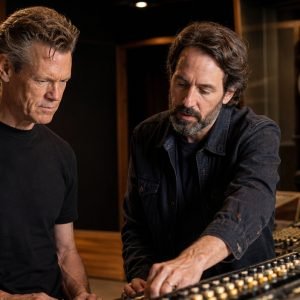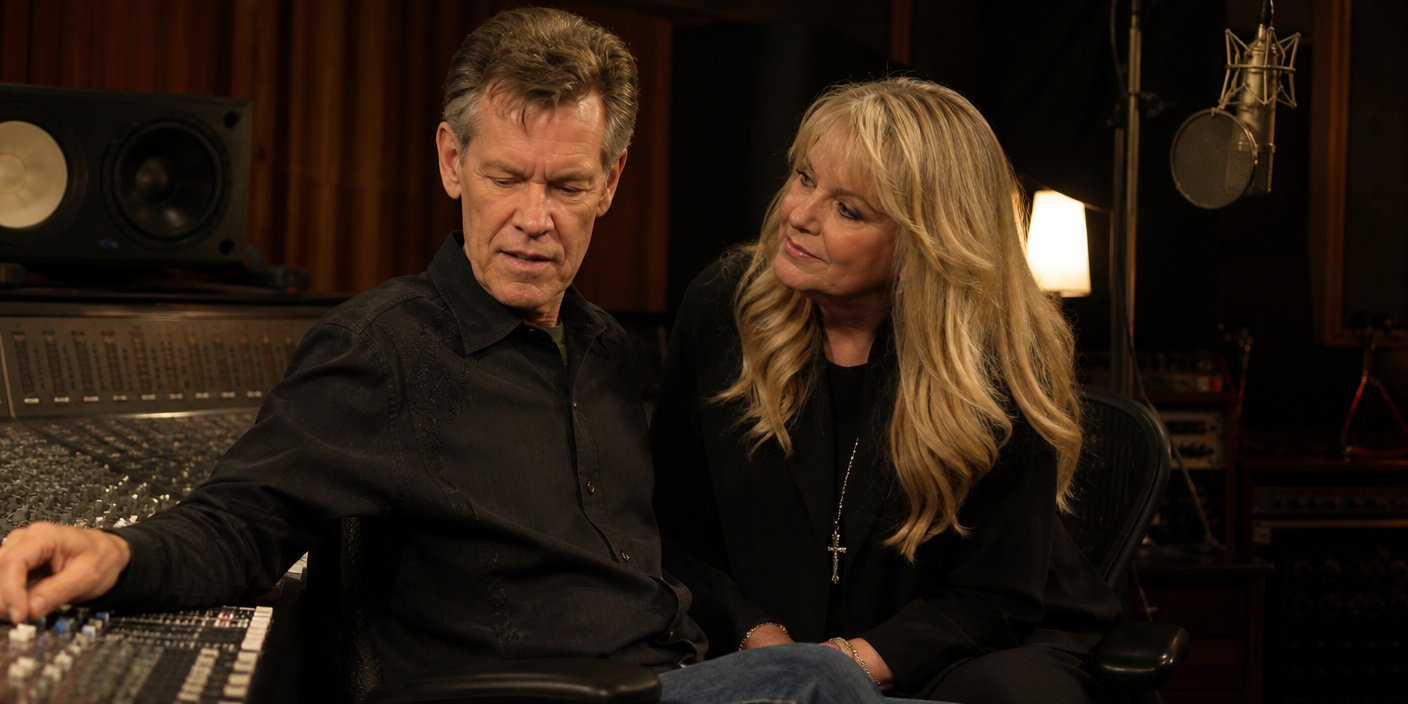
In a landmark moment for country music that blends profound sentiment with groundbreaking technology, Randy Travis has officially returned to the recording studio with his first new music in nearly two decades. The release of his single and subsequent project, Where That Came From, marks a triumphant conclusion to an 18-year period of silence necessitated by his life-altering 2013 stroke, which resulted in aphasia and effectively silenced his legendary singing voice. Through a meticulous combination of artificial intelligence, archival studio tapes, and the unwavering dedication of his wife, Mary Davis-Travis, the Country Music Hall of Famer has reclaimed his narrative, offering fans a bridge between his classic 1980s foundations and a modern, innovative future.
Key Highlights
- Technological Breakthrough: The production relied on advanced AI voice synthesis, utilizing decades of archival vocal stems provided by long-time producer Kyle Lehning to reconstruct Travis’s distinct baritone.
- First New Music in 18 Years: Where That Came From serves as the first major release of new vocal material since his 2006 gospel album and general recording hiatus.
- The Human Element: Mary Davis-Travis, his wife and primary caregiver, orchestrated the project to ensure the output honored Randy’s spirit and career integrity, rather than merely imitating it.
- Industry Precedent: The album is being cited as a pivotal moment for ethical AI usage in the music industry, setting a high bar for using technology to restore rather than replace artists.
Rebuilding the Legacy: The Story of ‘Where That Came From’
When Randy Travis collapsed in 2013 due to a viral cardiomyopathy, the country music world feared they had lost one of its most essential voices forever. The subsequent stroke, which left the singer with significant expressive aphasia, appeared to close the book on a recording career that defined the neo-traditionalist movement of the 1980s. Yet, in June 2024, the industry was stunned by the announcement of Where That Came From. This was not a posthumous collection of B-sides or a remix; it was an active reclamation of artistry.
The 2013 Turning Point and the Road Back
The road to this album was paved with a decade of recovery, therapy, and a quiet resilience that mirrored the themes of his greatest hits. Following the 2013 stroke, Travis spent years focusing on rehabilitation. While his speaking voice remained limited, his musical understanding remained sharp. His wife, Mary Davis-Travis, became the architect of his resurgence, working with his inner circle to determine if there was a path forward. The project began as a “what if” conversation with producer Kyle Lehning, who had been at the helm of Travis’s records since the mid-1980s. Lehning possessed the “golden vault”—decades of outtakes and archival vocal stems. The challenge was not just creating a song, but ensuring it didn’t sound like a digital mimicry of a man who was no longer there.
The Alchemy of AI and Archival Recording
The technological engine behind Where That Came From is a sophisticated form of AI synthesis. Unlike generic AI models that scrape the internet for public domain data, the production team utilized a controlled, specific dataset: the actual, multi-track recordings of Randy Travis from the height of his career.
By feeding these high-fidelity files into a synthetic voice model, the engineers were able to isolate the cadence, the deep-timbred resonance, and the unique emotive nuances of Travis’s delivery. The result is a sound that feels indistinguishable from his 1990s peak. However, the team was adamant: the AI was not the songwriter. The AI provided the instrument, but the vision remained firmly in the hands of the human team. The process underscores a shift in how we perceive AI in music—moving from a tool of replacement to a tool of restoration.
Mary’s Mission: A Labor of Love
Throughout the process, Mary Davis-Travis served as the project’s emotional and strategic anchor. Speaking on the creative process, she noted that the album wasn’t created to chase charts but to “bring a piece of Randy back to the people who supported him through the darkest days.” The partnership between wife and artist turned the studio environment into a sanctuary of memory. For Mary, this was never just about marketing; it was about honoring the legacy of a man whose songs provided the soundtrack for millions of American lives. By being the primary curator of the process, she ensured that the AI-driven vocals maintained the soulful authenticity that made songs like “Forever and Ever, Amen” timeless classics.
The Industry Shift: Ethics and Innovation in Country Music
The release has sparked a wider conversation regarding the ethics of artificial intelligence in the creative arts. In an era where deepfakes and unauthorized vocal clones are rampant, the Randy Travis approach—consent-based, archival-driven, and artist-supervised—is being lauded as the “gold standard” for legacy artists.
Major labels are watching closely. The success of this release suggests that for aging or incapacitated superstars, technology could potentially unlock a new revenue stream and a way to continue their legacy that previously didn’t exist. However, the industry experts argue that this model is only sustainable if the artist maintains ownership of their “vocal likeness.” As the line between biological performance and digital synthesis blurs, the Randy Travis template provides a blueprint for how to navigate the future: start with the human spirit, use technology as the support, and never prioritize the machine over the memory.
FAQ: People Also Ask
Q: Did Randy Travis record the new album in the studio himself?
A: While Randy was present for the sessions and provided the creative direction, the vocal tracks were synthesized using AI trained on his decades of archival recordings, as his 2013 stroke affected his ability to vocalize.
Q: Who produced the new album?
A: The album was produced by Kyle Lehning, who has been a long-time collaborator of Randy Travis and worked on his most iconic hit records from the 1980s and 90s.
Q: How does the AI process work for this album?
A: The team used his extensive library of original, isolated vocal tracks to train a model that mimics his specific vocal tone, inflection, and cadence, allowing the technology to “sing” new lyrics while maintaining his authentic sound.
Q: Is Randy Travis planning to tour again?
A: There have been no official announcements regarding a tour. The focus remains on the release of new material and celebrating his legacy through studio projects.