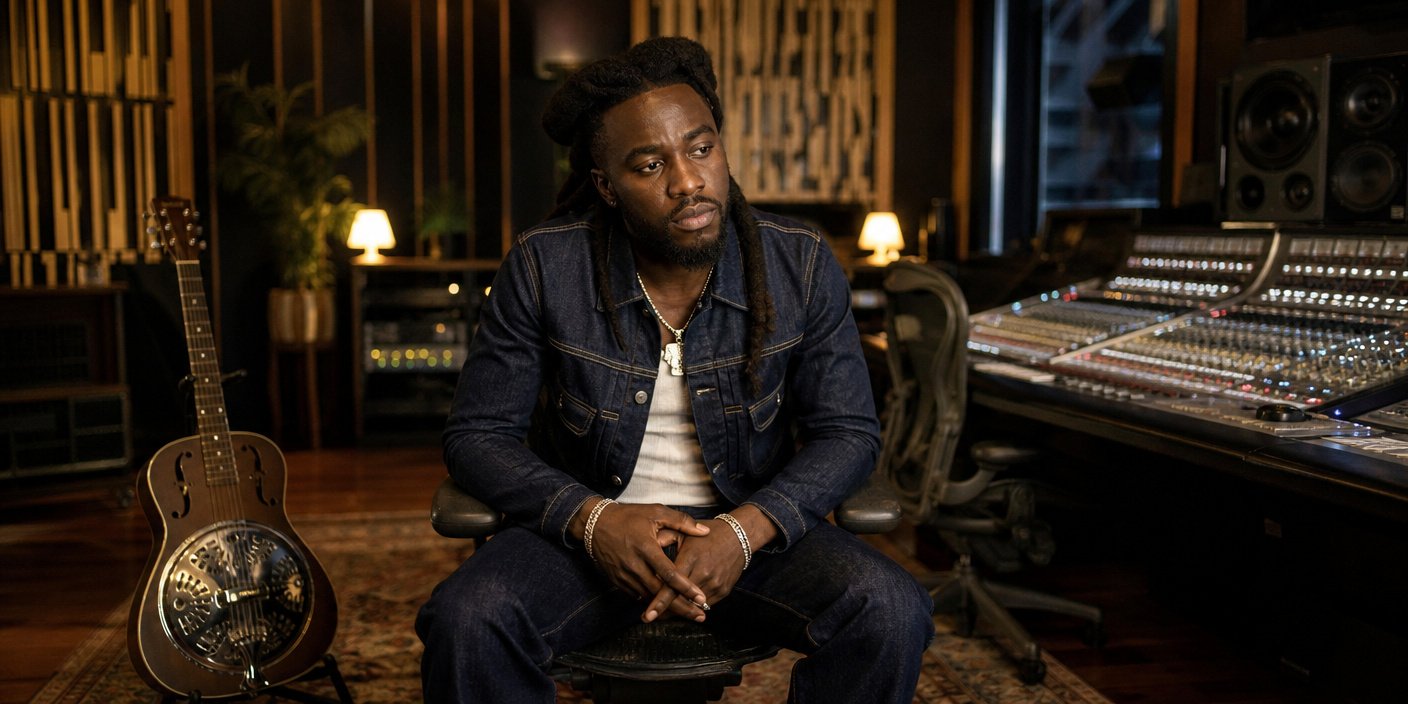
Shaboozey has returned to the spotlight with his highly anticipated album, ‘The Outlaw Cherie Lee,’ a project that firmly cements his status as a disruptor within the modern country landscape. As critical discourse intensifies, particularly from industry stalwarts like Saving Country Music, the album has become a focal point for the broader debate regarding the artistic merits of blending traditional Americana with contemporary hip-hop and pop sensibilities. By leaning into his unique persona, Shaboozey attempts to bridge the gap between Nashville’s storied past and the digital-first future of the music industry.
Key Highlights
- Genre Fusion: The project masterfully balances traditional country tropes with aggressive, modern production techniques.
- Critical Reception: Industry reviews, including critical analysis from Saving Country Music, highlight the tension between artistic innovation and genre authenticity.
- Lyrical Authenticity: The album explores themes of identity, struggle, and the ‘outlaw’ spirit, providing a cohesive narrative throughout the tracklist.
- Market Impact: ‘The Outlaw Cherie Lee’ signals a shifting tide in country music, where crossover appeal often outweighs strict adherence to radio formats.
Unpacking The Outlaw Cherie Lee
The arrival of ‘The Outlaw Cherie Lee’ arrives at a pivotal moment for country music, a genre currently undergoing a massive identity crisis. For years, the divide between ‘real’ country and the Nashville machine has been a point of contention. Shaboozey, born Jae Collins, enters this arena with an album that refuses to be categorized. The production choices throughout the project—ranging from acoustic, stripped-back guitar arrangements to heavy, distorted trap beats—serve as a physical manifestation of his desire to deconstruct what it means to be a country artist in 2024.
The Sonic Architecture of Rebellion
At its core, ‘The Outlaw Cherie Lee’ is a study in sonic juxtaposition. The album utilizes a palette of sounds that feel both familiar and disorienting. In tracks like the titular opener, the listener is greeted by the warm, nostalgic hum of a resonator guitar, only to have that warmth disrupted by a sharp, staccato 808 beat. This is not accidental. It is a calculated move to keep the listener off-balance, reflecting the erratic nature of the ‘outlaw’ archetype Shaboozey seeks to embody.
Critics have pointed out that this fusion is not merely for commercial gain. While many artists dabble in genre-crossing for playlist placement, Shaboozey’s effort feels grounded in a genuine need to synthesize his own life experiences. Having grown up navigating multiple cultural and musical worlds, the sound of this album acts as an autobiography. The instrumentation serves as a narrative device; when the country elements are at the forefront, the stories are contemplative and introspective. When the hip-hop production takes over, the tone shifts toward defiance, urgency, and the raw energy of urban nightlife.
Lyrical Narratives and the Persona
Lyrically, the album centers on the character of ‘Cherie Lee,’ a mythical figure representing the untamable aspects of the artist’s psyche. This narrative thread provides a necessary glue for a project that could have easily felt disjointed. Through this lens, Shaboozey explores the pressures of success, the alienation that comes with being a boundary-pusher, and the eternal struggle to remain authentic when the industry demands conformity.
‘The Outlaw Cherie Lee’ avoids the pitfalls of stereotypical songwriting. Instead of leaning on the tired tropes of trucks and heartbreak, the album delves into darker, more nuanced territory. The songwriting is precise, stripping away the polish to reveal the grit underneath. This is where the artistic merit shines brightest; by focusing on the ‘outlaw’ spirit, Shaboozey forces the listener to confront the fact that the genre’s history was built on rule-breaking, not rule-following.
The Industry Friction: Saving Country Music’s Perspective
It is impossible to discuss this project without addressing the critical reception. Saving Country Music, known for its uncompromising stance on what constitutes ‘country,’ has weighed in on the project with a mixed assessment that reflects a deeper industry divide. The core of their critique rests not on the talent of the performer, but on the validity of the genre label. For traditionalists, the inclusion of pop-centric production is a betrayal of the aesthetic.
However, this friction is arguably the album’s greatest success. By provoking such a strong response, Shaboozey has guaranteed that the conversation surrounding ‘The Outlaw Cherie Lee’ is one of substance rather than mere commercial promotion. He is forcing a conversation that the Nashville establishment has been avoiding for decades: who owns the rights to a genre? Is country music a collection of specific instruments, or is it a method of storytelling? By choosing to ignore the boundaries, Shaboozey has effectively positioned himself as the ultimate outsider, a move that aligns perfectly with the ‘outlaw’ theme of the record.
Future Implications for Modern Country
As we look toward the future, ‘The Outlaw Cherie Lee’ will likely be studied as a case study in modern artist branding. The shift toward genre-fluidity is no longer a fringe movement; it is becoming the standard. Streaming services and social media algorithms favor tracks that defy categorization because they can be placed in multiple types of playlists.
Shaboozey’s project proves that an artist can maintain a distinct, recognizable identity while simultaneously appealing to a disparate audience. Whether or not this specific album reaches the commercial heights of more radio-friendly country records, its impact on the cultural discourse is undeniable. It challenges the listener to expand their definition of what they are willing to accept under the ‘country’ banner. In doing so, Shaboozey has not only delivered an album; he has delivered a manifesto for the next generation of country artists who refuse to be defined by a label.
FAQ: People Also Ask
1. What is the main theme of Shaboozey’s ‘The Outlaw Cherie Lee’?
The album centers on the concept of the ‘outlaw’ spirit, utilizing a fictional persona, Cherie Lee, to explore themes of identity, genre-bending, and the struggle to maintain authenticity in a rapidly changing music industry.
2. Why is there controversy surrounding this album?
The controversy stems from the blend of traditional country elements with modern hip-hop and pop production. Traditionalist outlets like Saving Country Music argue that this hybrid style tests the boundaries of what can be classified as ‘country’ music.
3. Is Shaboozey a country artist?
Shaboozey occupies a unique space in music, often referred to as genre-fluid. While he draws heavily from country music traditions and storytelling, his production often incorporates elements of hip-hop and modern pop, leading to ongoing debates about his place within the genre.
4. How does the album impact the future of country music?
‘The Outlaw Cherie Lee’ highlights a shift toward genre-fluidity in the industry. It suggests that future success in country music may increasingly rely on an artist’s ability to cross boundaries rather than adhering to traditional sonic constraints.