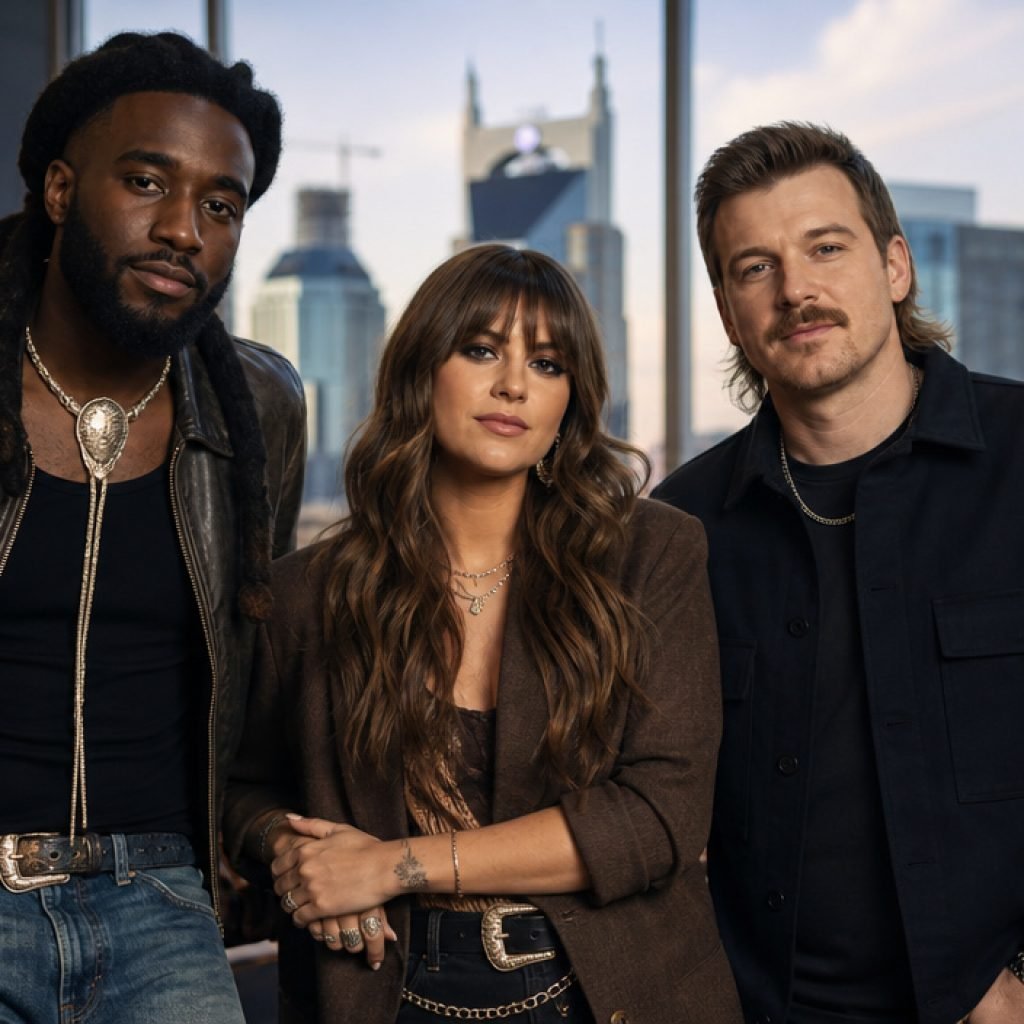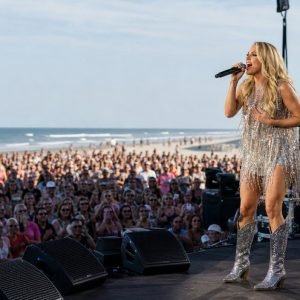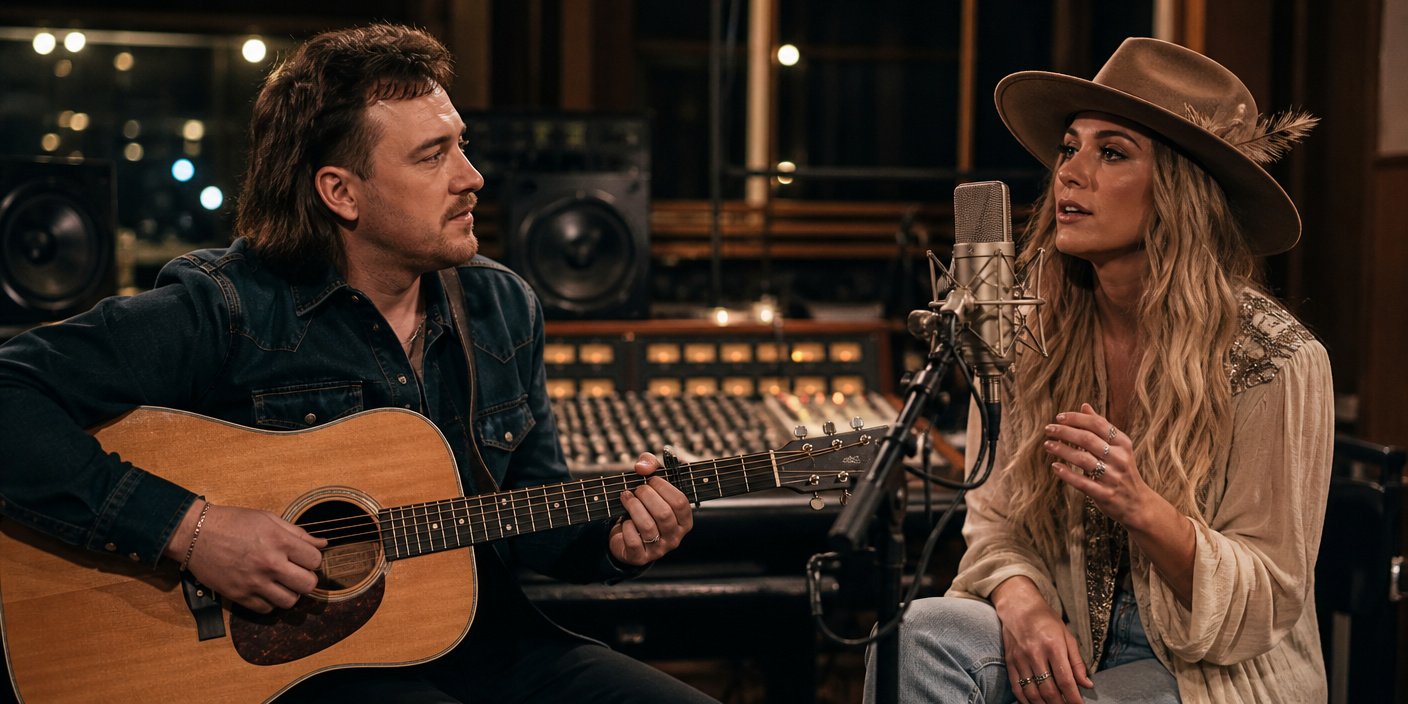
The 2026 MTV Video Music Awards nominations have arrived, and the results reveal a stark reality for the music industry: country music is no longer a niche genre; it is the new backbone of mainstream pop. Leading the charge, Nashville titans including Morgan Wallen, Ella Langley, Lainey Wilson, and Luke Combs have secured a historic number of nominations, marking the most significant crossover event in the history of the VMAs. This surge in representation underscores a broader, long-term trend of country music’s escalating crossover appeal and its newfound dominance in global pop culture metrics. ### Key Highlights Historic Crossover: The 2026 VMA nomination list features a record-breaking volume of country artists, cementing the genre’s status as a primary driver of modern pop music. Star Power: Morgan Wallen, Lainey Wilson, Ella Langley, and Luke Combs are the primary catalysts of this shift, each securing multiple high-profile category nods. Metric-Driven Success: The nominations are rooted in unprecedented streaming volume and engagement data, reflecting a shift in how the Academy evaluates mainstream relevance. Genre Fluidity: The success of these artists highlights a fading boundary between radio-country and streaming-pop, with collaborations increasingly blurring traditional lines. ## The Nashville-Pop Crossover: A Shift in the Cultural Zeitgeist The unveiling of the 2026 VMA nominations serves as more than just a list of accolades; it is a definitive statement on the changing face of American music consumption. For decades, the MTV Video Music Awards were predominantly reserved for the realms of pop, hip-hop, and rock. While country crossovers occurred occasionally in the past, they were often treated as anomalies. The 2026 list, however, treats country stars not as guests, but as the main event. The inclusion of artists like Morgan Wallen and Lainey Wilson is not a token gesture; it is a direct reflection of streaming data that has been impossible for industry gatekeepers to ignore. Over the past twenty-four months, country music has outperformed almost every other genre in year-over-year streaming growth. By leveraging massive digital fanbases that bypass traditional terrestrial radio bottlenecks, these artists have forced the mainstream to adapt to their reality. When the VMA eligibility committee finalized these nominations, they were looking at a landscape where Nashville-based artists are consistently occupying the top tiers of the global charts, frequently outselling traditional pop stars in both digital consumption and tour revenue. ### The 2026 Nomination Breakdown The core of this year’s narrative centers on the specific caliber of these nominations. Morgan Wallen, who has arguably become the face of this crossover movement, sees his work recognized across categories that were once exclusively the domain of pure pop acts. His visual storytelling, often criticized for its divergence from polished pop aesthetics, has been embraced by the Academy for its authenticity—a key factor in his sustained streaming dominance. Lainey Wilson, meanwhile, has been recognized for her ability to fuse classic country songwriting with contemporary production techniques, earning her nods in major performance categories. Ella Langley’s inclusion marks a significant moment for rising stars, suggesting that the industry’s talent pipeline is now flowing through Nashville. Luke Combs, a perennial chart-topper, rounds out the cohort, solidifying the idea that country’s reach is no longer limited to regional hubs but is a truly national—and international—force. This specific group of nominees represents the new “Triple Threat” of the modern industry: high-volume streaming, intense fan loyalty, and a visual brand that resonates across social media platforms like TikTok and Instagram Reels. ### Historical Context: From Outliers to Headliners To understand the gravity of the 2026 VMA nominations, one must look at the historical friction between Nashville and the coastal music hubs of New York and Los Angeles. Historically, the “Country” label often functioned as a ceiling. An artist could be massive within the country industry, but rarely received the “crossover” treatment necessary to compete at awards shows like the VMAs or the Grammys unless they significantly sanitized their sound to fit a pop mold. The 2026 class has effectively broken this ceiling by refusing to change. They are bringing the country sound—the steel guitars, the storytelling, the rural ethos—directly into the pop arena, and the audience is embracing it without reservation. This is the culmination of a decade-long evolution. The rise of streaming platforms allowed fans to define the culture, rendering the traditional “pop/country” binary obsolete. The Academy is essentially catching up to the listener, validating what the streaming numbers have been signaling since 2023. ### Economic & Streaming Power: The Country Revenue Machine The financial implications of this crossover are staggering. The 2026 nominations are a lagging indicator of a massive economic shift. Country music artists are currently among the highest-grossing touring acts in the world. By integrating these artists into the VMA broadcast, the network is not just chasing trends; they are securing the most lucrative demographic in the current music ecosystem. Brands and sponsors have taken note. The “Nashville aesthetic” has become a lucrative marketing tool, with fashion houses, beverage companies, and tech platforms now pivoting their campaigns to align with the country demographic. The VMA stage, long a platform for high-production pop spectacle, will now be tested: can it accommodate the raw, guitar-driven energy of these country stars while maintaining the high-gloss aesthetic viewers expect? The move to nominate these specific artists suggests that the VMA production team is confident that the spectacle of a country performance can stand toe-to-toe with the pyrotechnics and choreography of a traditional pop star. ### Future Predictions: Will Country Remain the New Pop? The most pressing question following these nominations is whether this is a temporary trend or a permanent restructuring of the American music hierarchy. All indicators point to the latter. The younger demographic—Gen Z and Gen Alpha—are engaging with country music with a fervor previously reserved for hip-hop and pop. The barrier to entry for listening has dissolved. Looking toward 2027 and beyond, expect to see the definition of “Pop” continue to expand. We will likely see a surge in collaborations between Nashville-based songwriters and L.A.-based producers, creating a homogenized “Global Country” sound. The success of Morgan Wallen and Lainey Wilson has paved a highway that other artists will inevitably follow. The 2026 VMAs will go down in history not just as an awards ceremony, but as the moment the “country” label officially became the center of the pop gravity well. If the goal of the VMAs is to reflect the state of music, then the 2026 nominations have succeeded by acknowledging that, for better or worse, we are living in a country-dominated era. ## FAQ: People Also Ask Q: Are these country artists nominated in country-specific categories at the VMAs? A: Unlike the CMA Awards, the VMAs do not have a dedicated “Country” genre category in the same way. The nominations for Wallen, Wilson, and others are in major categories (such as Best Video, Best New Artist, and Song of the Year), putting them in direct competition with pop, hip-hop, and R&B artists. Q: Why is this considered a ‘crossover’ shift? A: It signifies that country music is no longer relegated to niche radio stations or regional charts. These artists are dominating the overall streaming charts and the cultural conversation, forcing pop-centric institutions like the VMAs to recognize their widespread impact. Q: Will this change the production style of the VMA ceremony? A: Likely, yes. With such a heavy country presence, viewers can expect the 2026 VMA production to incorporate elements of live instrumentation, acoustic-driven arrangements, and perhaps a shift in visual aesthetic to better suit the “authentic, storytelling-first” nature of the nominated country performances.