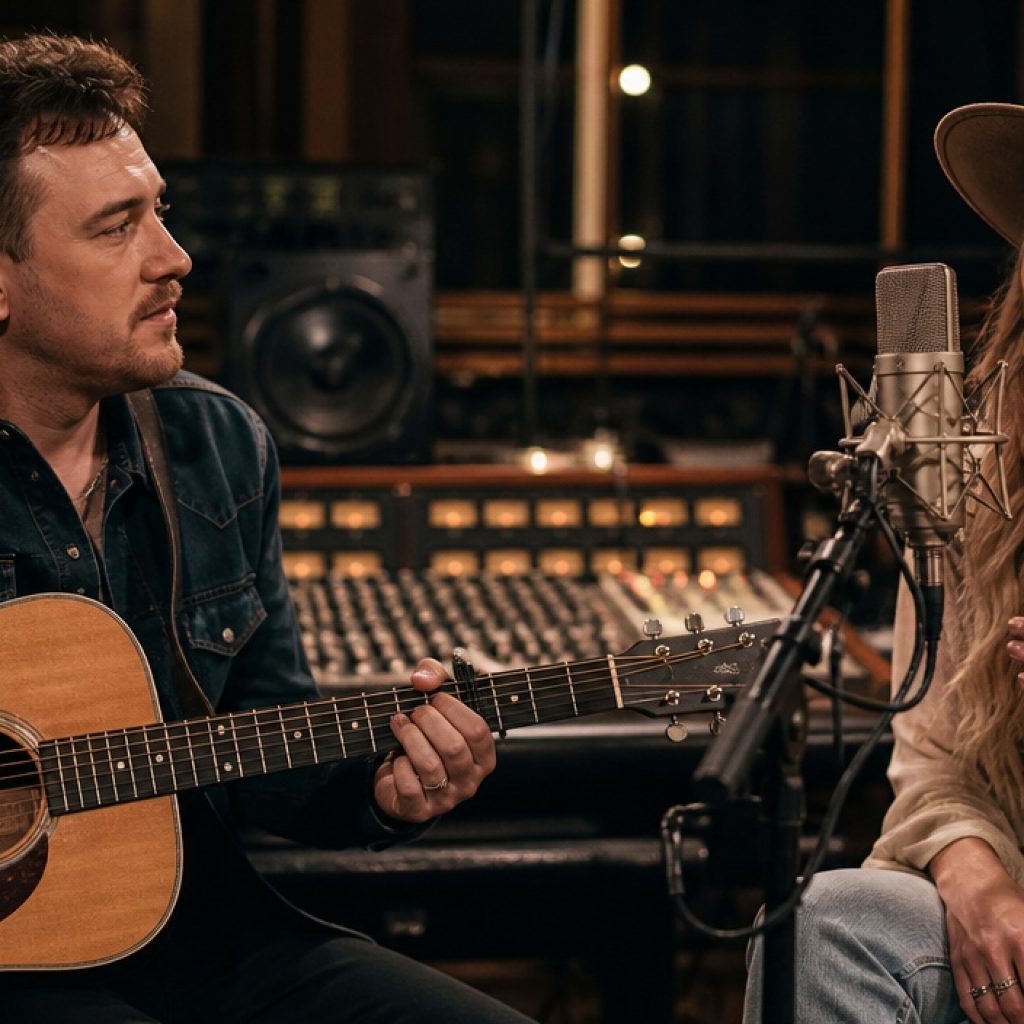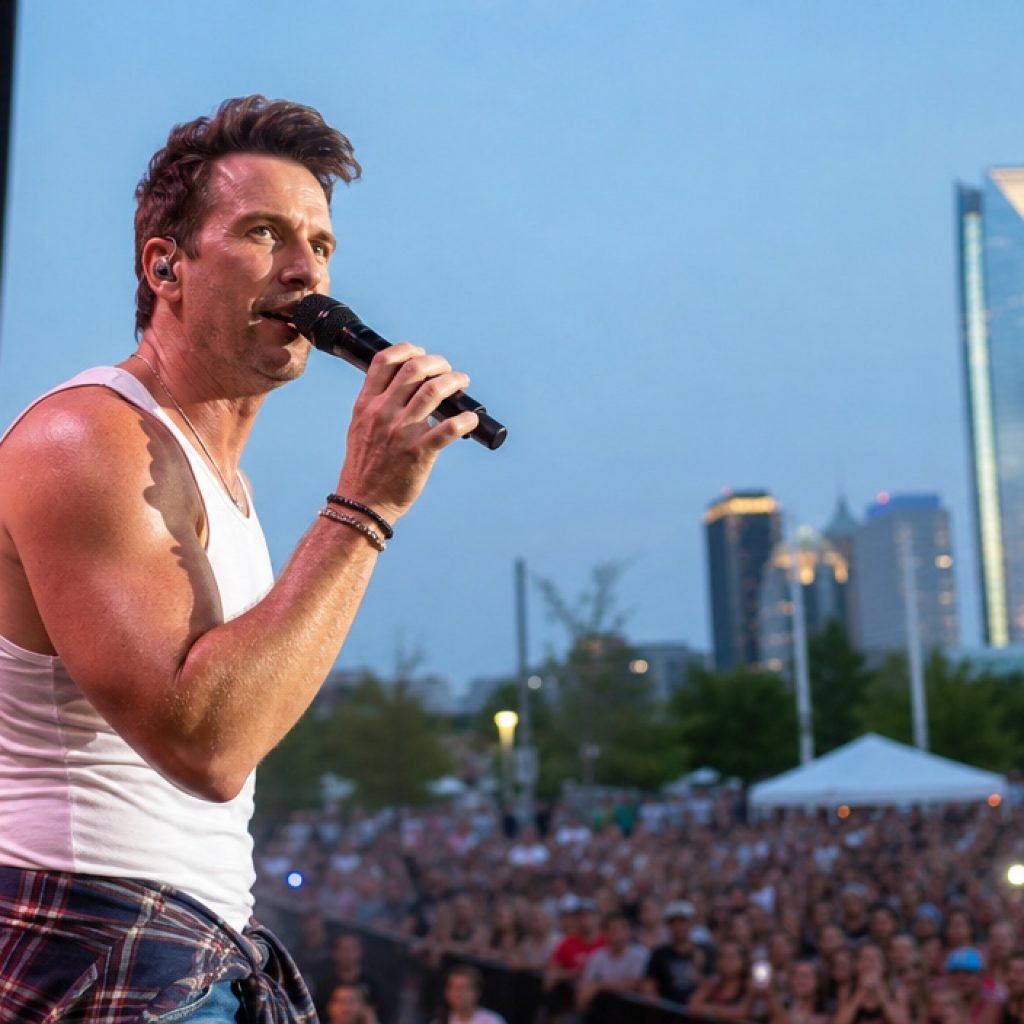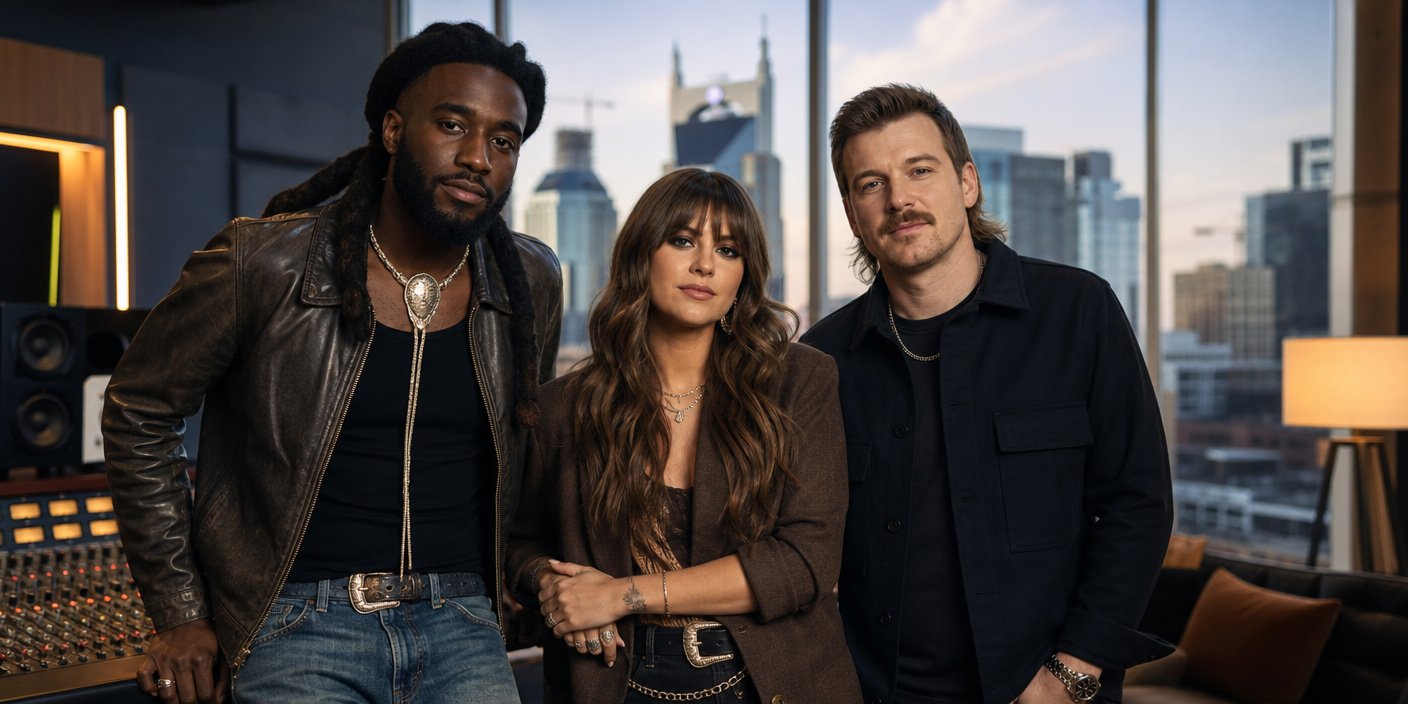
The 2026 MTV Video Music Awards (VMAs) have officially confirmed a tectonic shift in the music industry: Nashville is no longer just a genre hub; it is the epicenter of mainstream pop culture. As nominations were announced this week, the heavyweights of the country charts stood shoulder-to-shoulder with the world’s biggest pop icons, signaling a definitive end to the era of genre isolationism. Leading the charge are Ella Langley, Shaboozey, and Stella Lefty, each securing two pivotal nominations, while Morgan Wallen cements his industry dominance with a coveted nod for Artist of the Year.
The New Wave: Langley, Shaboozey, and Lefty
The 2026 nomination list reads like a manifesto for the modern country sound. Ella Langley has emerged as a critical darling and a commercial force, with her breakout anthem, “Choosin’ Texas,” landing a high-profile nomination for Song of the Year. This track, which blends authentic storytelling with a radio-ready polish, represents the specific type of crossover appeal that MTV voters are currently prioritizing. It is not just a country song; it is a cultural touchstone that has dominated digital streaming platforms throughout the year.
Joining Langley are Shaboozey and Stella Lefty, both of whom have snagged two nominations each. Their inclusion underscores a diversification within the Nashville scene. Shaboozey, known for an experimental approach that fuses traditional acoustic instrumentation with hip-hop cadence, has proven that the VMA demographic—historically skewed toward pop and dance-electronic—is now deeply invested in country-adjacent narratives. Stella Lefty’s double-nomination success further highlights a trend of breakout artists leveraging viral social media moments into formal industry recognition. For these artists, the VMA platform represents an evolution of their brand, transitioning from regional country charts to global recognition.
Morgan Wallen and the Artist of the Year Spotlight
While Langley, Shaboozey, and Lefty represent the ascendant tier of country talent, Morgan Wallen’s nomination for Artist of the Year is the loudest statement the Recording Academy and MTV have made in years. Wallen, who has consistently smashed streaming records and toured to sold-out stadiums globally, stands as the anchor of this movement. His presence in the Artist of the Year category is significant; it suggests that the industry is abandoning the notion of “crossover” as a forced strategy. Instead, it treats Wallen’s style of country as the default setting for modern top-40 music. By placing him among the year’s elite performers, MTV is acknowledging that the metrics of success—digital consumption, ticket sales, and cultural ubiquity—now favor the Nashville sound over traditional, studio-manufactured pop.
The Crossover Phenomenon: Why Country is Winning
The most striking secondary angle of the 2026 nominations is the total erosion of the “Pop vs. Country” barrier. Historically, country artists were relegated to specific sub-categories. Today, that segregation has dissolved. This is driven by several factors:
1. The TikTok Effect: Country music has proven exceptionally adept at viral marketing. Songs like “Choosin’ Texas” succeed because they are built on short, punchy lyrical moments that thrive on social platforms, creating a feedback loop that forces traditional media outlets like MTV to take notice.
2. Authentic Storytelling as Currency: In an era of AI-generated content and highly synthetic production, audiences are gravitating toward the “realness” associated with country music tropes. The VMA nominations reflect a desire for lyrics that feel grounded, narrative-driven, and personal.
3. The Production Hybridization: Modern country producers are no longer staying in their lane. By integrating trap beats, synth-pop arrangements, and electronic production, artists like Shaboozey are making the music sonically indistinguishable from the pop tracks that used to occupy these award slots. The lines have blurred, and the VMAs are simply following where the ears of the audience have already gone.
Economic Impact and Demographic Shifts
The economic implications of this shift are massive. With the country demographic expanding into younger, urban markets, labels are shifting their marketing budgets toward Nashville-based talent. The 2026 nominations prove that this investment is yielding returns. The VMA show, which relies heavily on advertising revenue, is clearly positioning itself to capitalize on the massive, loyal, and highly active country music fan base. By honoring artists like Langley and Wallen, MTV is effectively broadening its tent, ensuring that the show remains relevant to a generation that consumes “Old Town Road” or “Choosin’ Texas” with the same enthusiasm as a Dua Lipa or a Post Malone track.
Looking toward the future, this is unlikely to be a one-off anomaly. As these artists move further into the mainstream spotlight, we can expect the 2027 and 2028 nomination cycles to be even more crowded with Nashville talent. The genre has moved beyond being a sub-category; it has become the standard against which all other pop music is currently measured.
FAQ: People Also Ask
Q: Are the 2026 VMA nominations reflective of a permanent change in music trends?
A: Yes, data trends over the last 24 months suggest a sustained dominance of country-crossover music. The inclusion of artists like Ella Langley and Morgan Wallen in major categories signals that labels and award bodies are aligning their priorities with the overwhelming streaming preferences of the general public.
Q: Why is Morgan Wallen’s Artist of the Year nomination so significant?
A: It validates Wallen’s sustained commercial dominance. Being nominated for Artist of the Year puts him on equal footing with global pop icons, proving that his genre-blending country style has become the new benchmark for “mainstream” music success.
Q: Does the inclusion of more country artists hurt the traditional pop genre at the VMAs?
A: It doesn’t necessarily “hurt” the genre, but it forces it to evolve. Pop artists are now finding themselves in direct competition with country artists who have adopted pop production sensibilities, leading to a much more competitive and diverse landscape for awards.
Q: What does this mean for future MTV award shows?
A: Expect to see more hybrid categories and a continued emphasis on viral growth metrics, as traditional radio-focused pop continues to lose market share to country and indie-fusion acts.