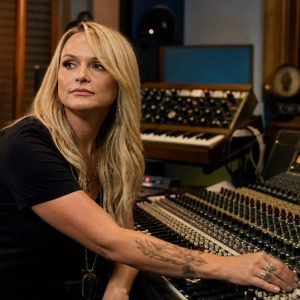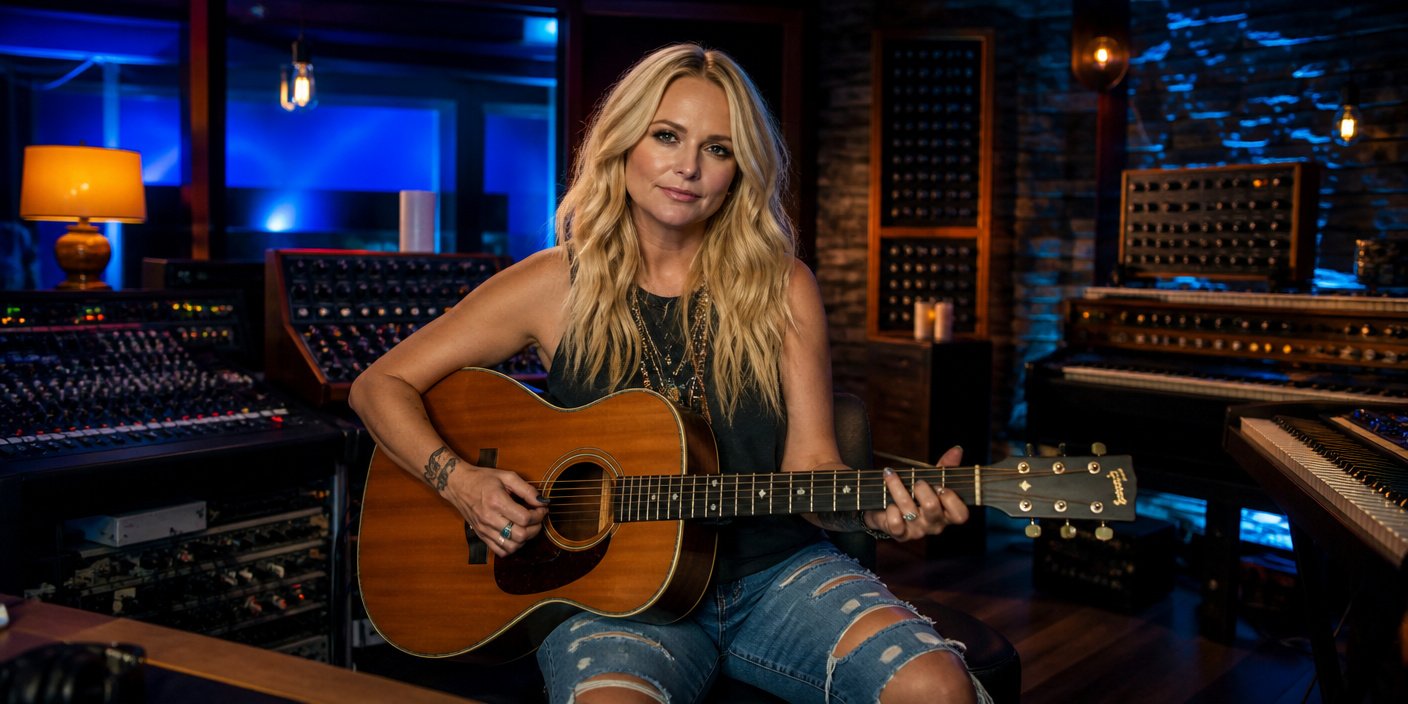
Miranda Lambert, the multi-platinum country icon known for her lyrical grit and traditional roots, has taken an audacious left turn with her latest studio album, ‘Crisco.’ Released on October 2, 2026, the project trades the dusty honky-tonks of her past for the mirrored allure of a 1970s disco, creating a sonic landscape that is as unexpected as it is polished. While critics initially questioned the shift, Lambert has framed the record explicitly as a ‘dance record,’ challenging the boundaries of the modern Nashville sound.
Key Highlights
- Debut Date: ‘Crisco’ officially dropped on October 2, 2026, marking a new chapter in Lambert’s discography.
- Genre Fusion: The album leans heavily into ‘Disco-Country,’ blending four-on-the-floor dance beats with slide guitar and narrative songwriting.
- Artistic Intent: Lambert has publicly stated the project was conceived as a ‘dance record,’ prioritizing rhythmic movement over traditional country balladry.
- Genre Experimentation: The record is being analyzed alongside 2026’s broader music industry trend of genre-fluid experimentation, positioning Lambert as a pioneer of the ‘Dance-Country’ subgenre.
The Anatomy of the ‘Crisco’ Sound
The Marriage of Synths and Steel
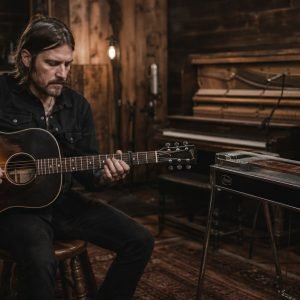
At the heart of ‘Crisco’ lies a paradoxical production strategy. Miranda Lambert and her production team have successfully merged the granular, often melancholic textures of the pedal steel guitar with the high-energy, syncopated rhythms of disco. This is not merely a remix of country songs; it is a foundational reconstruction. The album utilizes vintage analog synthesizers that mimic the sustain of a fiddle, resulting in a soundscape that feels both futuristic and oddly nostalgic. For long-time fans, the opening track sets the tone: a driving bassline that mirrors the heartbeat of a dance floor, punctuated by the unmistakable, snarling twang that has defined Lambert’s career for two decades. It is a calculated risk that appears to pay off, as the production choices feel intentional rather than derivative.
Understanding the ‘Dance Record’ Mandate
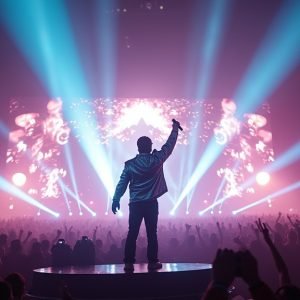
Lambert’s insistence that this project is a ‘dance record’ is the most significant takeaway from the album’s rollout. In the context of 2026 music, where subgenre lines are increasingly blurred, this positioning serves as a strategic marker. By stripping away the acoustic intimacy of her ‘Wildcard’ era and replacing it with high-BPM (beats per minute) arrangements, Lambert is signaling a shift toward festival-ready, aerobic performance art. The lyrical themes, however, remain tethered to her roots—tales of small-town resilience, love, and heartbreak—proving that she is not abandoning her songwriting craft, but rather dressing it in sequined armor. This duality—the classic storytelling of country music with the sonic pacing of dance—creates a friction that keeps the listener engaged throughout the 14-track listing.
Cultural Context and the 2026 Music Landscape
The release of ‘Crisco’ occurs within a year marked by aggressive genre-blurring. As major acts experiment with cross-genre appeal, Lambert finds herself at the forefront of the ‘Disco-Country’ wave. When compared to other notable experiments in the 2026 landscape, ‘Crisco’ stands out due to its commitment to the aesthetic. While some peers have touched on dance influences as a novelty, Lambert has leaned into the genre with a level of rigor that suggests a long-term interest in this sound. It is a reclamation of the dance floor for the country demographic, effectively expanding the reach of her brand into markets that have historically remained indifferent to traditional country music.
Secondary Angles: Exploring the Impact
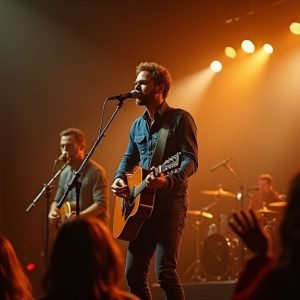
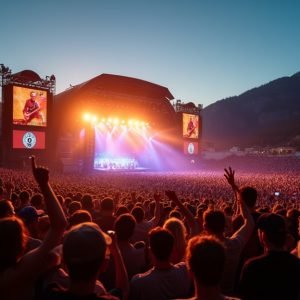
1. The Economic Shift of Genre-Fluid Touring: The transition to a dance-heavy record allows Lambert to headline festival stages that were previously inaccessible, potentially boosting her tour revenue by significant margins. The technical requirements of a ‘dance record’ tour—featuring larger LED productions and DJ-hybrid sets—represent a massive operational change for Vanner Records.
2. The ‘Crisco’ Production Team Legacy: By tapping specific underground electronic producers to work alongside her Nashville veterans, Lambert has created a ‘bridge’ in the music industry. This collaboration signifies a shift where Music Row is increasingly open to the technical input of EDM and dance-pop producers.
3. The Longevity of the Pivot: Historically, country artists who pivot to pop-centric sounds face a ‘loyalty test’ from their fan base. ‘Crisco’ serves as a stress test for the loyalty of the core Miranda Lambert audience. Analysts are watching to see if her storytelling integrity acts as a protective layer against potential backlash regarding the ‘disco’ tag.
FAQ: People Also Ask
Q: Is ‘Crisco’ a permanent departure from country music for Miranda Lambert?
A: While ‘Crisco’ is firmly rooted in a disco-country fusion, Lambert has indicated in recent interviews that this project is an exploration of a specific aesthetic rather than a total abandonment of her foundational genre. The songwriting DNA remains authentically country.
Q: How has the Nashville music community reacted to the dance-focused direction?
A: The reaction has been mixed but largely respectful. Industry peers have lauded the production quality, noting that the ‘disco-country’ blend is a difficult technical feat to pull off without losing the core ‘twang’ of the songs.
Q: What are the standout tracks on the new album?
A: Critics have pointed to the title track, ‘Crisco,’ as the centerpiece of the album, alongside ‘Midnight Glitter’ and ‘Neon Dust,’ which exemplify the fusion of high-tempo rhythms and traditional lyrical storytelling.
Q: Where can fans find the ‘Crisco’ tour dates?
A: Tour dates and associated event details for the 2026-2027 cycle are being managed through Vanner Records and major ticket distribution platforms, with specific focus on major festival appearances rather than traditional stadium runs.