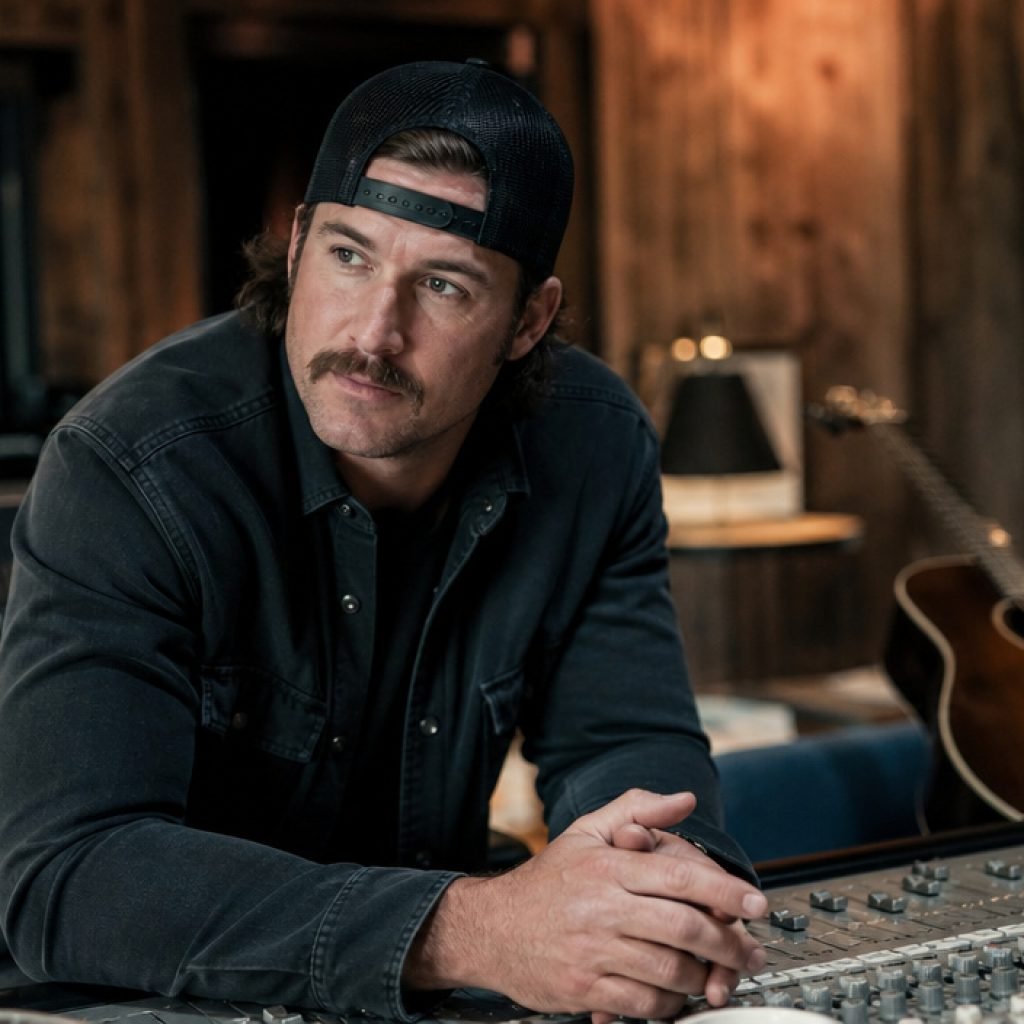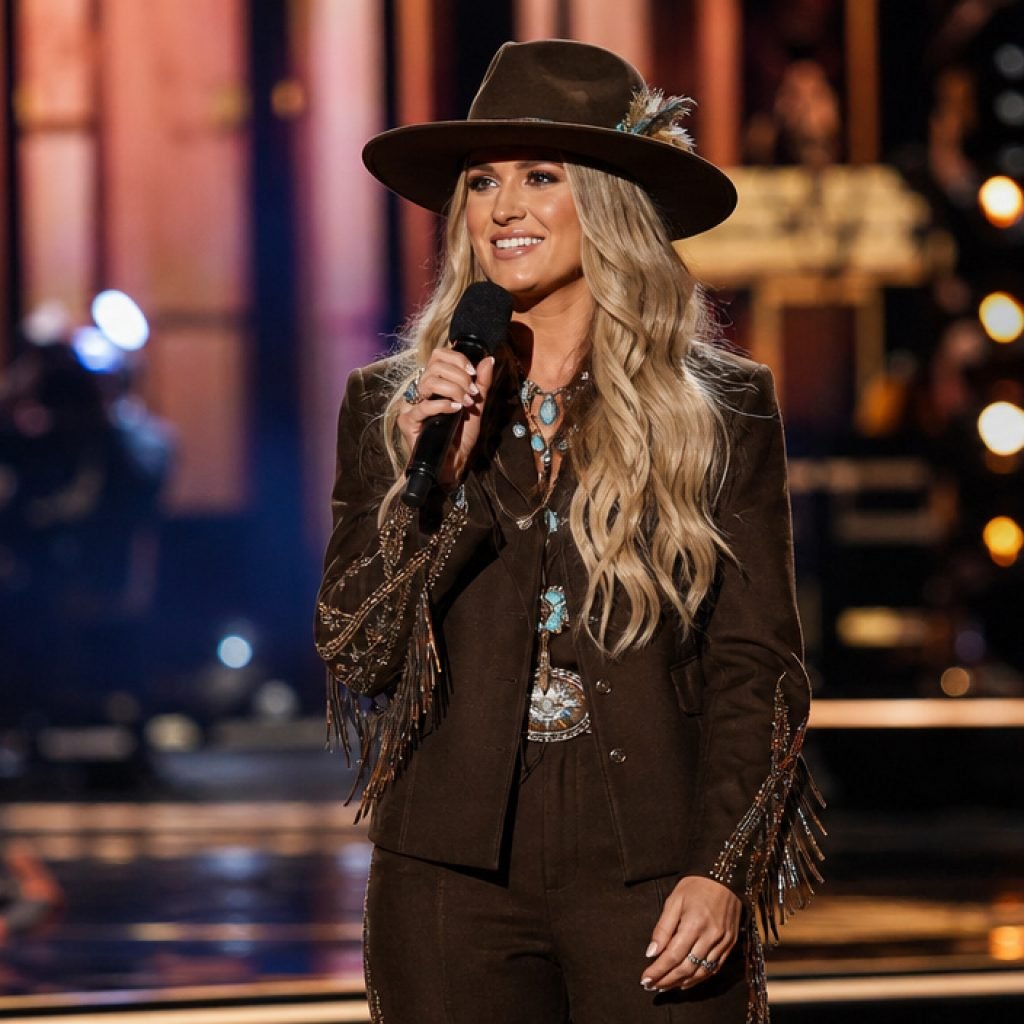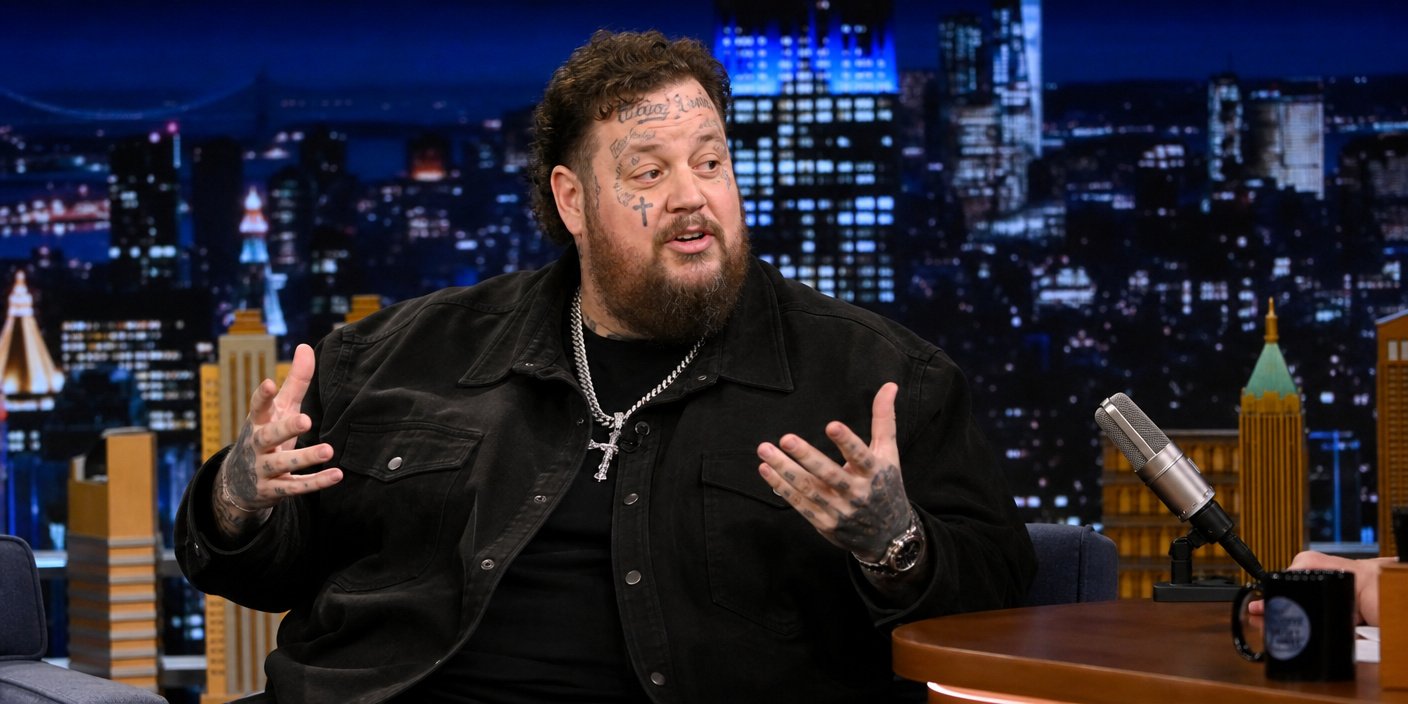
Jelly Roll, the genre-bending country superstar known for his raw, relatable storytelling and ‘everyman’ persona, has found himself at the center of a volatile social media firestorm. Following his recent turn as a guest host on ABC’s Jimmy Kimmel Live!, a segment of his fanbase has initiated a backlash, with some users on platforms like TikTok and X (formerly Twitter) posting videos claiming they are deleting his music and disposing of his merchandise. The incident has drawn sharp, immediate comparisons to the 2023 Anheuser-Busch Bud Light controversy, suggesting that for country music artists, navigating the current hyper-partisan cultural landscape is becoming an increasingly perilous tightrope walk.
Key Highlights
- The Catalyst: Jelly Roll served as a guest host for Jimmy Kimmel Live! in late August 2024, where his engagement with political topics drew ire from a segment of his traditional country fanbase.
- The Viral Backlash: Videos circulating on TikTok show fans actively removing his music from streaming platforms and cutting up tour merchandise, citing the Kimmel appearance as the final straw.
- Bud Light Parallels: The speed and nature of the reaction have triggered comparisons to the 2023 Bud Light boycott, highlighting a broader trend of consumer activism in country music culture.
- Brand Vulnerability: The incident underscores the fragility of the ‘authentic’ celebrity brand in an era where fanbases are increasingly protective of their perceived cultural values.
The Price of Political Discourse in Country Music
The phenomenon surrounding Jelly Roll—born Jason DeFord—is a stark case study in the modern intersection of celebrity influence and partisan polarization. For years, Jelly Roll has cultivated a massive, devoted following by anchoring his brand in themes of redemption, struggle, and working-class perseverance. This ‘everyman’ identity has made him one of the most bankable stars in Nashville, bridging the gap between hip-hop, rock, and country. However, that same widespread appeal acts as a double-edged sword. When a celebrity with a broad, diverse fanbase steps into the political arena—even tangentially—they risk alienating the very demographic that built their ascent.
The Kimmel Catalyst: A Misstep or Reality Check?
During his appearance on Jimmy Kimmel Live!, Jelly Roll engaged in the typical banter expected of a late-night host. However, when the conversation veered into the political sphere, the reaction among his online detractors was swift. Unlike traditional talk show hosts who operate within a pre-established political bubble, Jelly Roll’s audience spans the ideological spectrum. For fans who view his music as an apolitical sanctuary, his comments were interpreted not as a conversation, but as a political endorsement that challenged their own values.
The subsequent backlash was not a slow simmer but an instantaneous reaction, driven by the algorithms of TikTok and X. Fans began documenting their ‘divestment’ from his art, using the hashtag-driven tactics that have become the hallmark of modern digital boycotts. This reflects a shift in consumer behavior where fans feel empowered to leverage their cultural consumption as a means of political expression.
Echoes of the Bud Light Effect
The comparison to the 2023 Bud Light boycott is significant. When Bud Light faced a massive slump in sales following a controversial social media partnership, it sent a shockwave through the corporate world, forcing brands to reconsider their approach to social and political issues. The ‘Bud Light effect’ established a precedent where a single, perceived misstep by a company or public figure can trigger a swift, organized, and financially damaging reaction from a specific, highly energized demographic.
For Jelly Roll, the risk is different but arguably more personal. While Bud Light was a corporate entity, Jelly Roll is a person—a human brand built on individual connection. Fans don’t just buy a product when they listen to his songs; they buy into a life story. When that connection is severed, it isn’t just a drop in quarterly earnings; it is a loss of the ‘authenticity equity’ that defines his career.
The ‘Stick to Music’ Expectations
One of the most recurring themes in the criticism of Jelly Roll is the demand for artists to ‘stick to music.’ This sentiment, while often dismissed by entertainment elites as a suppression of free speech, is a powerful motivator in country music culture. Historically, country artists have been expected to act as mirrors for their audience’s values. When an artist deviates from that reflection, the disconnect is visceral.
This creates a secondary angle of analysis: the future of celebrity activism. We are witnessing a transition where the old PR playbook of ‘never talk politics’ is colliding with the modern pressure to be ‘authentic’ and ‘vocal’ on social issues. Artists are forced to choose: appease the core fanbase and remain silent, or speak their mind and risk the brand volatility that follows. Jelly Roll, who has often spoken openly about his past, is caught in the middle of a generation of fans who want him to be real, but only as long as that reality aligns with their worldview.
Long-term Brand Implications
Can Jelly Roll weather the storm? History suggests that celebrity boycotts, particularly those driven by social media trends, often have a short shelf life. The outrage cycle moves quickly, and in the digital age, attention spans are notoriously short. However, the cumulative effect of these incidents is undeniable. If an artist becomes defined by controversy rather than artistry, they risk alienating sponsors, venue promoters, and future collaborators who prefer to avoid the ‘radioactive’ nature of a polarized fanbase.
Furthermore, this incident forces us to consider the future of the ‘Everyman’ star. In an increasingly fragmented media landscape, where every corner of culture is politicized, the truly neutral, universally beloved celebrity may be becoming an endangered species. Jelly Roll’s trajectory over the next few months—how he responds, whether he clarifies his position, or whether he chooses to lean into the controversy—will be a bellwether for how other artists navigate the minefield of modern public discourse.
FAQ: People Also Ask
Q: Is the boycott against Jelly Roll actually affecting his ticket sales?
A: While anecdotal evidence on social media shows fans deleting music and claiming they will skip shows, there is no verified financial data yet to suggest a significant, long-term decline in tour revenue or streaming numbers. The backlash is currently concentrated on social media platforms.
Q: Did Jelly Roll apologize for his comments on Jimmy Kimmel Live!?
A: As of the time of this report, Jelly Roll has not issued a formal apology or retraction regarding his comments during the guest-hosting stint. He has continued to interact with fans on social media, largely focusing on his music and upcoming tour dates.
Q: How does this compare to the Bud Light boycott?
A: The similarity lies in the mechanism of the boycott—using social media to document the disposal of goods (beer vs. music/merch) to signal moral disapproval. Both represent how a specific demographic uses cultural consumption to send a message to a brand or celebrity that they feel has ignored or offended their values.