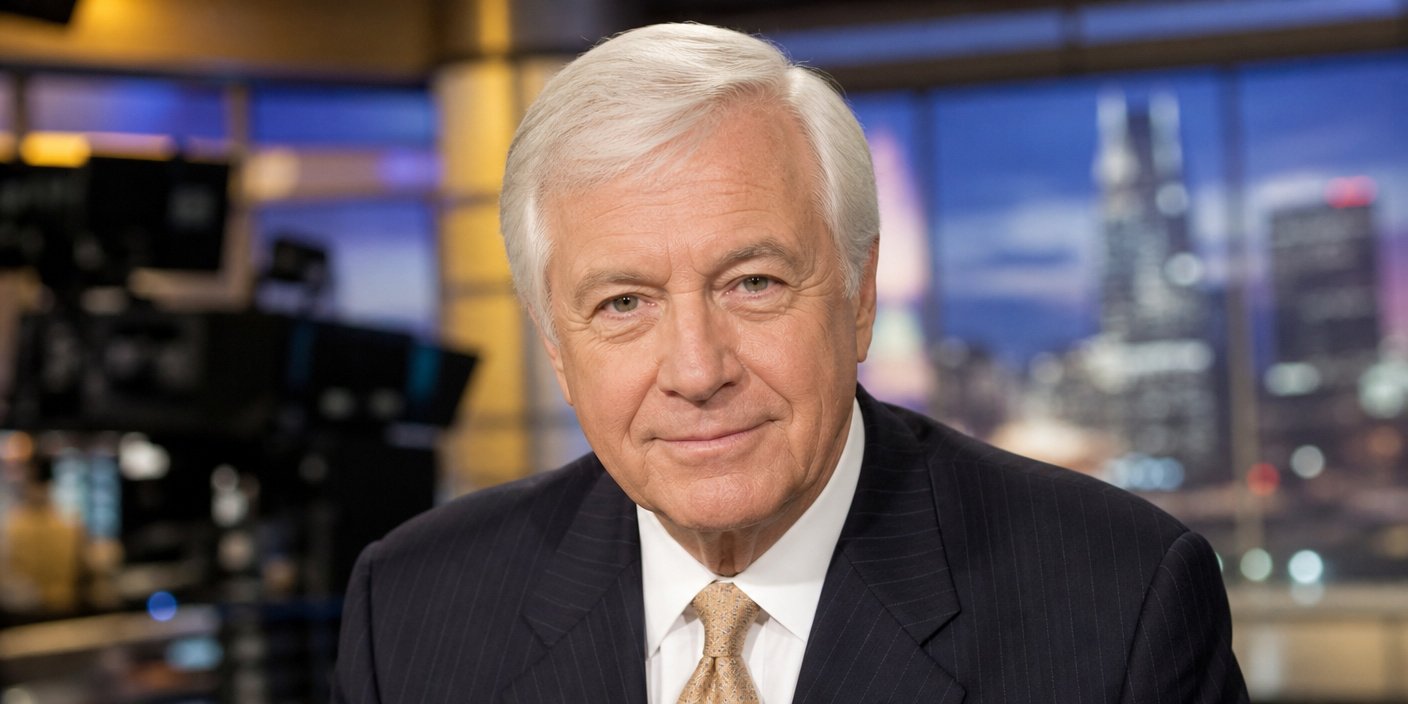
Jimmy Carter, a titan of Nashville broadcasting and a defining voice of the city’s entertainment landscape for over half a century, has passed away at the age of 73. A staple of WSMV Channel 4, Carter served as more than just an entertainment reporter; he was a bridge between the glitz of the country music industry and the local audience that lived and breathed the genre. His death marks the end of an era for Music City media, leaving a void where a trusted, steady, and insightful voice once stood.
Key Highlights
- Legendary Tenure: Carter dedicated over five decades to the Nashville broadcasting scene, primarily at WSMV Channel 4, witnessing the city’s evolution from a regional hub to a global entertainment epicenter.
- Trusted Industry Insider: Unlike many in the tabloid-heavy era of celebrity news, Carter was known for his integrity, earning the trust of industry legends like Dolly Parton and Garth Brooks.
- The Voice of Music City: He became synonymous with the ‘Music City’ brand, curating the stories behind the songs and the lives of the people who shaped country music history.
- Enduring Legacy: His death is being mourned by the country music community and local Nashville residents alike, highlighting the rarity of local reporters who become cultural institutions in their own right.
The Soundtrack of Music City’s Newsroom
For five decades, Jimmy Carter was not just a journalist reporting on the news; he was a living archive of Nashville’s cultural history. When he walked into the WSMV Channel 4 newsroom, he carried with him the institutional knowledge of an industry that had expanded exponentially during his career. Carter’s longevity in the notoriously fickle world of television news was a testament to his adaptability and his unwavering commitment to his craft. He managed to survive shifts in media ownership, changes in broadcast technology, and the complete transformation of how country music was packaged and sold to the masses.
Evolving with the Industry
Carter’s career trajectory is fascinating because it mirrored the growth of Nashville itself. When he began, Nashville was a tight-knit community where a reporter could walk into a songwriter’s office and get an interview on a handshake. As the city grew into a multibillion-dollar tourist destination, Carter navigated the shift with grace. He didn’t just report on the fame; he reported on the work. He was often the first person to call when a new star was breaking or when a legacy artist had something profound to say. He understood that in Nashville, the business of music is inextricably linked to the humanity of the artists, a nuance that often gets lost in the modern, digital-first coverage cycle.
Cultivating Unrivaled Access
One of the defining features of Carter’s career was his ability to cultivate deep, authentic relationships with the biggest names in the business. In an industry where publicists control the narrative, Jimmy Carter was the exception. He held an ‘old school’ level of credibility. When he interviewed titans like Dolly Parton or Garth Brooks, the conversations felt less like a promotional junket and more like a candid discussion between peers. This trust wasn’t granted; it was earned over thousands of hours of professional, respectful reporting. He provided a platform where stars felt safe enough to be vulnerable, and in return, he gave the public a view of these larger-than-life figures that felt grounded and real.
The Ethics of Entertainment Journalism
In a media environment that increasingly prioritizes ‘clickbait’ and sensational headlines, Carter’s approach served as a masterclass in ethical journalism. He viewed his role as a storyteller, not an agitator. He understood that his audience at WSMV Channel 4 was interested in the human interest side of the entertainment business. He focused on the craft, the inspiration, and the community impact of the artists he covered. This approach did not just inform the viewer; it elevated the local broadcast news format. He proved that entertainment reporting could be both substantive and accessible, a rare balance that helped maintain the station’s high engagement numbers for decades.
Mentorship and the Next Generation
Beyond his on-air presence, Carter was a mentor to countless young journalists who cycled through the Nashville market. Many reporters who now anchor shows across the country cite Carter as the one who taught them how to find the ‘heart’ of a story. He was known for his patience, his rigorous editorial standards, and his belief that a reporter’s primary responsibility is to the truth, regardless of how powerful the subject of the interview might be. His absence will be felt not just in the living rooms of his loyal viewers, but in the newsrooms where his influence shaped the next generation of storytellers.
A Final Note on Cultural Impact
Jimmy Carter’s life and career serve as a microcosm of the Nashville dream. He lived through the highs and lows of the music industry’s development, remaining a constant presence throughout. He was there for the rise of stadium country, the Nashville sound, and the eventual crossover appeal that took the genre global. To lose him is to lose a piece of the city’s living history. As Nashville continues to evolve and modernize, the loss of a figure like Carter underscores the importance of maintaining roots and remembering the individuals who built the foundation of the community’s collective memory.
FAQ: People Also Ask
Q: What was Jimmy Carter’s primary role in Nashville media?
A: Jimmy Carter was a veteran entertainment reporter and a cornerstone figure at WSMV Channel 4 in Nashville. He spent five decades reporting on the country music industry and local culture.
Q: Why was Jimmy Carter considered a ‘trusted voice’ in the industry?
A: He was widely respected by country music icons like Dolly Parton and Garth Brooks for his journalistic integrity, professionalism, and ability to conduct thoughtful, deep interviews rather than simply focusing on headlines.
Q: How will the Nashville broadcasting community remember his legacy?
A: Carter is remembered not only for his five-decade career but also for his role as a mentor to younger journalists and his unwavering commitment to telling the human stories behind the music stars of Nashville.