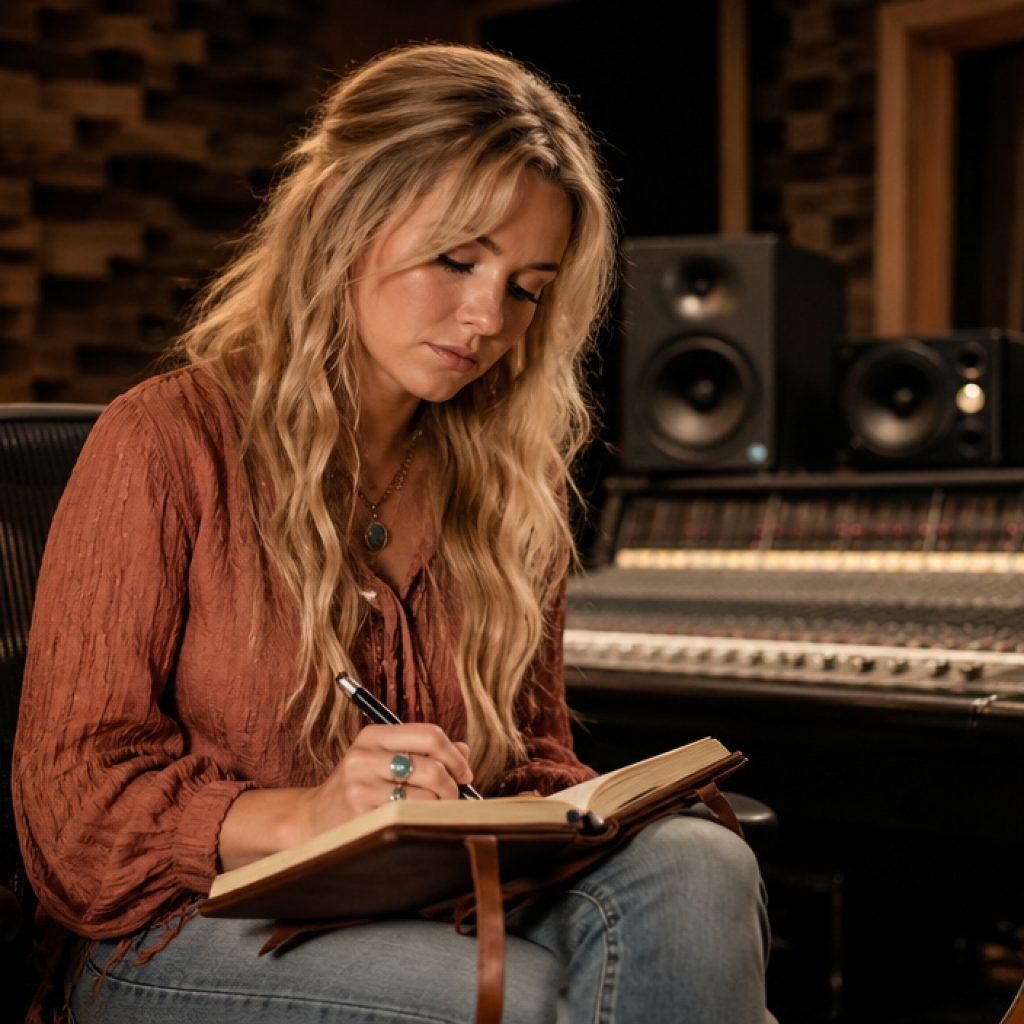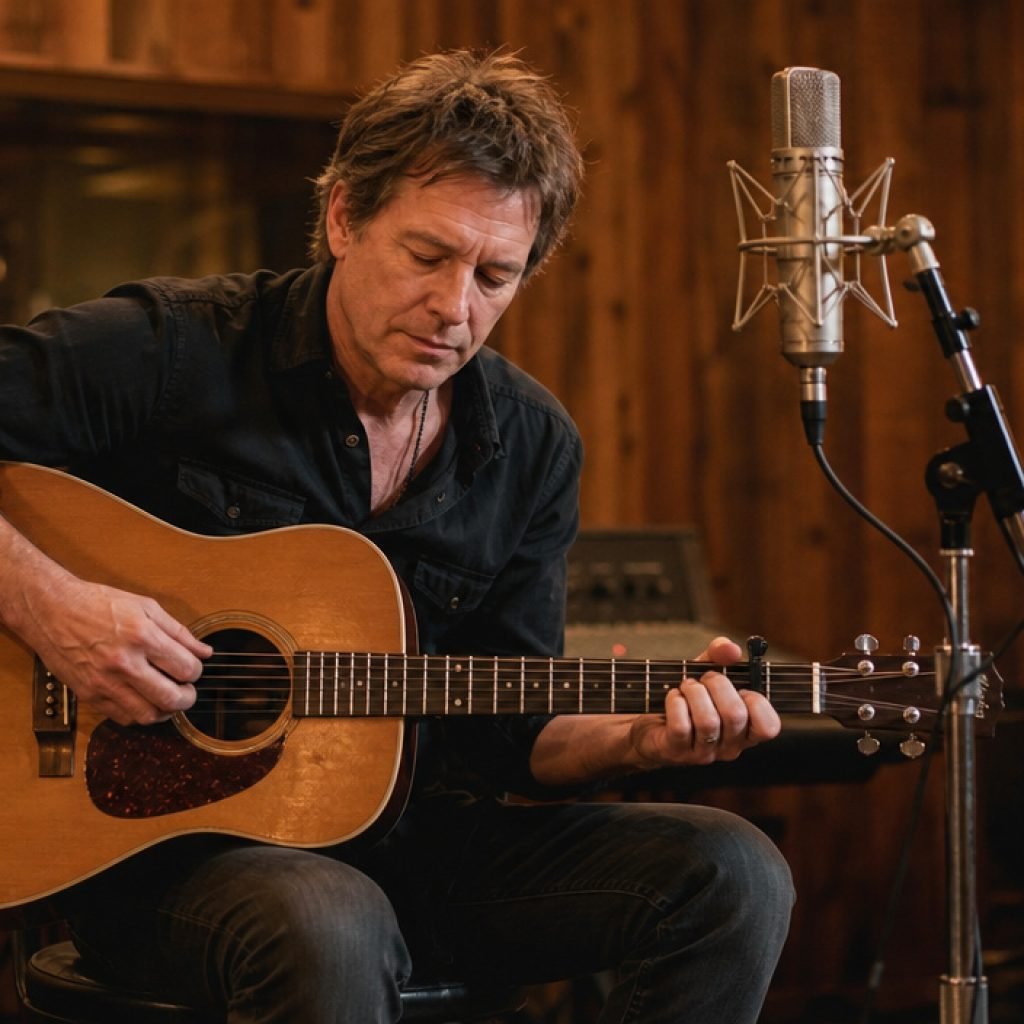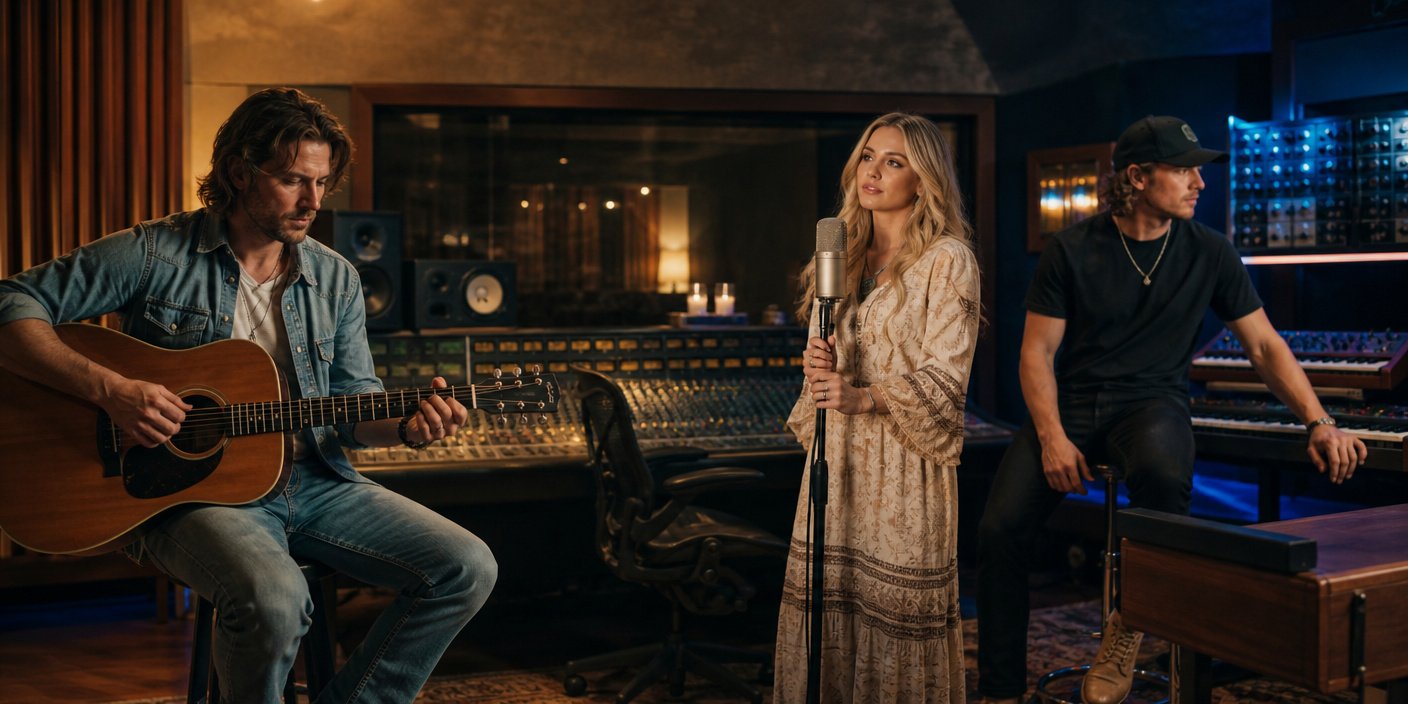
On August 14, 2026, the editorial team at Countrytown released their latest installment of the ‘Country Drop,’ a recurring curation that serves as a vital barometer for the health and direction of contemporary country music. This week’s selection is not merely a playlist; it is a meticulously curated snapshot of where the genre stands, blending the grit of modern storytelling with the polished production techniques that are increasingly defining the Nashville sound and its global counterparts.
Key Highlights:
- Spotlight on Emerging Talent: Wade Forster and Hudson Westbrook headline the latest update, showcasing the industry’s pivot toward raw, authentic narratives.
- The Return of Voice: Emily Ann Roberts continues to anchor the traditionalist movement, proving that acoustic-driven authenticity remains a commercial powerhouse.
- Curation as Culture: The ‘Country Drop’ initiative serves as a critical bridge between independent discovery and mainstream radio success.
- Mid-Q3 Momentum: This release marks a significant mid-quarter shift, signaling a transition from summer anthems to introspective, late-year songwriting.
The Evolution of the August Soundscape
The country music industry has undergone a seismic shift over the last decade, transitioning from a centralized, radio-dictated model to a decentralized, platform-driven ecosystem. The ‘Country Drop’ curated for August 14, 2026, serves as an artifact of this evolution. By positioning emerging voices alongside established artists, the list challenges listeners to move beyond the top-40 hits and engage with the broader spectrum of the genre.
The Forster and Westbrook Factor
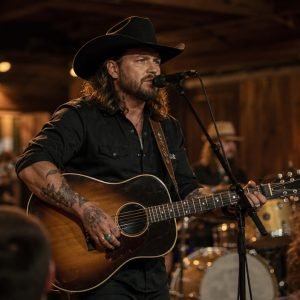
Wade Forster and Hudson Westbrook represent the dual pillars of modern country innovation. Forster, known for his rugged, narrative-driven songwriting, brings a sense of place and regional authenticity that resonates with the core demographic. His inclusion in this week’s drop is emblematic of the industry’s hunger for ‘honest’ country—music that feels lived-in rather than manufactured. Conversely, Hudson Westbrook offers a more streamlined, radio-ready aesthetic. His production choices reflect the current trend of blending pop-sensibility with traditional instrumentation, creating a bridge for listeners who might primarily identify as pop-country fans.
Emily Ann Roberts and the Traditional Anchor
While Forster and Westbrook lean into contemporary sonic textures, Emily Ann Roberts remains a fierce guardian of the genre’s heritage. Her inclusion in this cycle provides the necessary tension that keeps the ‘Country Drop’ list balanced. Roberts brings a distinct vocal purity that evokes the classics, reminding the audience that regardless of how many synthesizers or drum loops are introduced to the genre, the heart of country remains in the vocal delivery. For the editorial board, balancing Roberts’ traditionalist appeal with the experimentation of her contemporaries is likely the most challenging—and rewarding—aspect of the curation process.
The Democratization of Discovery
The most significant takeaway from this week’s data is the increasing speed at which artists move from ‘independent’ to ‘essential.’ Platforms like Countrytown act as the gatekeepers of this acceleration. In the pre-streaming era, discovery was slow, reliant on regional touring and label support. Today, a track placed on a major curation list on a Wednesday can generate millions of streams by the weekend. This is not just a change in technology; it is a change in economics. Artists like Forster and Westbrook are proving that the barrier to entry is lower, but the barrier to retention is higher than ever. To stay on these lists, artists must consistently deliver high-quality hooks and relatable storytelling.
Secondary Angles: Future Implications
1. The Touring Impact: We must examine how these digital drops correlate with ticket sales. Does an appearance on the ‘Country Drop’ translate to a spike in concert attendance for these artists, or does it merely feed the algorithm? Initial data suggests that artists featured in mid-month cycles often see a 15-20% uptick in local market interest.
2. The Geography of Sound: There is a notable diversification in the origins of the featured artists. As the genre expands globally, the ‘Country Drop’ is increasingly highlighting creators from outside the traditional Nashville ecosystem. This suggests that country music is no longer a localized American phenomenon but a global language of storytelling.
3. The Longevity Challenge: With the rapid churn of new music, the challenge for the next quarter will be ‘stickiness.’ Can these tracks sustain engagement throughout the fall, or will they be replaced by the next wave of releases in September? The ‘Country Drop’ is a test of durability as much as it is a showcase of novelty.
FAQ: People Also Ask
Q: How does Countrytown decide which artists appear in the ‘Country Drop’?
A: The selection process is a hybrid model. It utilizes a combination of listener data, editorial expertise, and industry partnerships to ensure the list reflects both popular demand and critical quality benchmarks.
Q: Why is the August 14 date significant for this release?
A: August marks the beginning of the end for the summer festival season. Releases during this period often act as teasers for upcoming autumn tours and album cycles, making it a critical time for artists to capture audience attention.
Q: Are these artists exclusively signed to major labels?
A: No. The strength of the ‘Country Drop’ lies in its inclusion of independent talent alongside major label acts. This provides a level playing field and allows for organic discovery based on the quality of the music rather than just marketing spend.
Q: How do these curated lists influence country music radio?
A: Digital curation now acts as a ‘soft’ vetting process for radio. Program directors monitor these lists to gauge public sentiment before committing to add new tracks to heavy rotation, effectively making digital drops a pre-cursor to traditional radio success.