Jamie Miller, the Welsh-born pop sensation who captured global attention through his soulful vocal prowess, has officially premiered the music video for his viral hit “Babydoll.” This release serves as a definitive milestone for the track, which had already established itself as a digital sensation across major social media platforms prior to its formal visual accompaniment.
Key Highlights
- Official Visuals Released: The high-production music video for “Babydoll” has officially dropped, aiming to capitalize on the track’s existing streaming momentum.
- Digital-First Success: “Babydoll” initially gained traction organically on TikTok and Instagram, proving the modern model of “social-media-first” music discovery.
- Brand Evolution: The video represents a significant step forward for Miller, showcasing a transition from a viral cover artist to a serious, high-production singer-songwriter.
Visualizing the Viral Hit: Analyzing ‘Babydoll’
The release of the “Babydoll” music video is more than just a creative decision; it is a strategic maneuver in the modern music landscape. By pairing a proven viral audio track with high-fidelity visual storytelling, Jamie Miller is attempting to solidify the song’s longevity beyond the fleeting lifespan of a social media trend. This article explores the implications of this release, the evolution of Miller’s artistic identity, and the technical shift in how modern pop stars approach video content.
The Digital-to-Mainstream Pipeline
For an artist like Jamie Miller, who rose to prominence through emotive covers and his time on The Voice UK (Team Anne-Marie), the path to a hit single is rarely linear. “Babydoll” is a prime example of the “digital-first” phenomenon. Before the music video existed, the song lived in the ears of millions via short-form video clips, where the emotional resonance of the chorus took hold. By releasing an official video, Miller and his team are essentially “anchoring” the song. They are providing a central hub for fan engagement, directing traffic from decentralized social platforms back to the artist’s official YouTube channel, which is crucial for algorithmic consistency and chart performance.
Artistic Evolution and Production Value
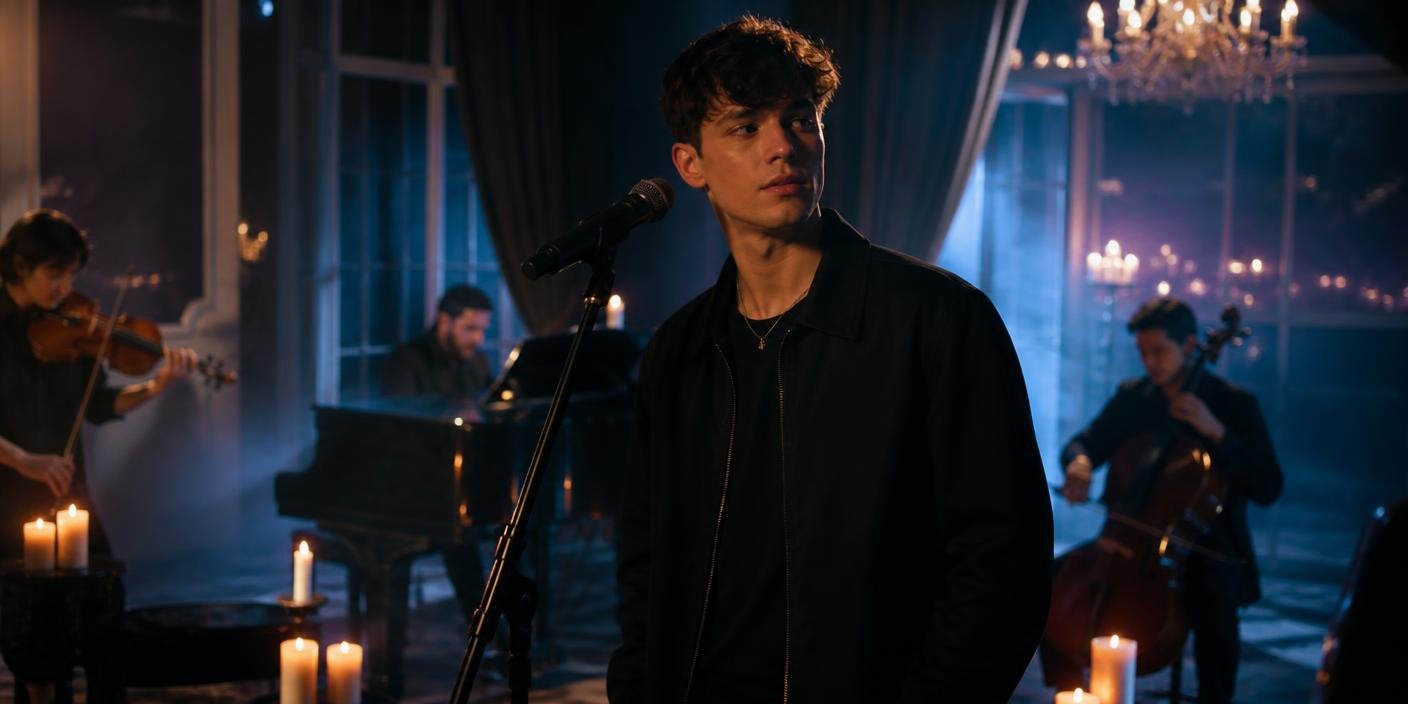
In the music video for “Babydoll,” the production values signal a shift in Miller’s artistic branding. Early in his career, Miller was defined by raw, intimate performances—often shot in bedrooms or simple acoustic settings. This new video, however, leans into cinematic textures, professional color grading, and carefully curated lighting. This change serves a specific narrative purpose: to portray Miller as a refined pop craftsman rather than just a social media personality. The imagery aims to mirror the song’s lyrical themes of vulnerability and longing, using visual metaphors—such as high-contrast lighting and atmospheric sets—to draw the viewer deeper into the song’s emotional core.
The Economics of Modern Music Videos
It is vital to recognize that the music video remains a primary engine for monetization and catalog growth. While streaming services provide the bulk of direct revenue, the music video serves as a gateway. For Atlantic Records and Miller’s management, this video is a utility for discovery. It invites casual listeners who heard a 15-second snippet on TikTok to engage with the artist’s full aesthetic. This transition from ‘audio-only’ to ‘multimedia-experience’ is essential for converting viral listeners into a dedicated fan base. This strategy ensures that Miller’s brand is not just tied to a single sound but to a recognizable image and cinematic identity.
Looking Ahead: Establishing Legacy
As the industry pivots toward short-form content, the importance of the “official music video” has been debated. Critics often argue that full-length videos have lost their cultural cachet. However, for an artist like Jamie Miller, the release of “Babydoll” proves that the music video is still the most powerful tool for artist development. It allows for a deeper narrative exploration that a 60-second social clip simply cannot provide. Whether this video can propel the song to new streaming heights remains to be seen, but the data suggests that such visual assets are essential for sustaining momentum in a hyper-competitive pop market.
FAQ: People Also Ask
Q: What is the significance of the ‘Babydoll’ music video release?
A: The release transitions the song from an organic viral trend into a formal music product, allowing the artist to consolidate fan engagement and boost algorithmic discovery on platforms like YouTube and streaming services.
Q: How did Jamie Miller first gain popularity?
A: Jamie Miller gained initial widespread recognition through his participation on The Voice UK, where he showcased his vocal range and emotional depth, later leveraging social media to build a massive independent following.
Q: Does this video mark a shift in Jamie Miller’s style?
A: Yes, it signifies a move toward a more cinematic, high-production aesthetic, transitioning from his origins as a ‘bedroom’ acoustic artist to a polished, mainstream pop recording artist.