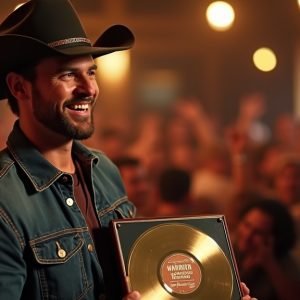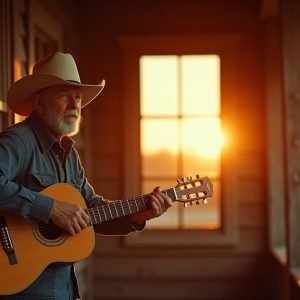
k.d. lang, the multi-faceted artist known for her unparalleled vocal range and genre-defying career, has recently reflected on her complicated relationship to country music, a genre that launched her into the spotlight but one she eventually navigated away from as she forged her own path. In recent interviews, the singer-songwriter offered a nuanced perspective on her early days in the scene and the tensions that defined her rise to fame. She acknowledged that while country music provided the initial bedrock for her professional identity, it was also a framework that she felt restricted by, leading to a long-held, somewhat ambivalent dynamic.
The Roots of a Genre Rebel
Long before she was a household name, lang was a champion of traditional country, earning accolades and critical acclaim for her ability to embody the soul of the genre. However, she was never a traditional country star. Her androgynous style, eccentric performances, and unconventional approach often put her at odds with the conservative establishment of Nashville. Looking back, she described the period not as a conscious rebellion for the sake of it, but as an authentic expression of self that simply did not fit the rigid, often narrow, expectations placed upon artists within the country industrial complex at the time. This dissonance became a defining feature of her early career, setting the stage for her eventual transition into pop and adult contemporary music.
Navigating the Nashville Narrative
For lang, reflecting on her relationship to country music is not just about the technical aspects of genre; it is deeply tied to the politics of identity and authenticity. She noted that she never abandoned the craft of country music—its storytelling, its emotional honesty, and its melodic simplicity—but she did reject the performative aspects that were demanded of her to fit a certain archetype. The industry’s push to categorize and package her led to a friction that proved unsustainable. She highlighted that this experience was formative, ultimately teaching her that artistic integrity was worth more than adhering to a genre’s gatekeepers. Her pivot away from the “country” label was essential to her survival as a creative individual, allowing her to explore the full spectrum of her vocal capabilities without being tethered to a singular musical legacy.
Legacy and Continued Evolution
Today, k.d. lang stands as an artist who transcends genre, but the “country” tag still follows her. In her reflections, she expressed a sense of peace with that legacy. She understands why fans cling to that era of her work, as those records still hold profound emotional weight for many listeners. However, she emphasized that her growth has been a continuous process of shedding labels. By moving beyond the constraints of country music, she paved the way for a more expansive understanding of what it means to be an American singer-songwriter. Her journey is a testament to the idea that artists are dynamic entities, and while their roots may be in a specific soil, their branches must be allowed to reach in any direction they choose. Her story serves as a reminder to the industry that genuine artistic expression is often found in the defiance of categorization, not the embrace of it.
FAQ: People Also Ask
Why did k.d. lang leave country music?
lang did not explicitly ‘leave’ in a single moment, but she transitioned away as she sought greater artistic freedom. She felt that the country music industry’s rigid expectations regarding image and genre were stifling her authentic self-expression.
How is k.d. lang viewed by the country music establishment today?
While there was friction early on, lang is now largely viewed as a trailblazer. She is respected for her incredible vocal talent and her foundational contributions to the genre during her early career, even if her later work moved into different musical territories.
Does k.d. lang still perform country music?
While her catalog is diverse, she still occasionally performs songs from her country era. Her live performances often weave together elements of her entire career, showcasing the breadth of her musical influences.