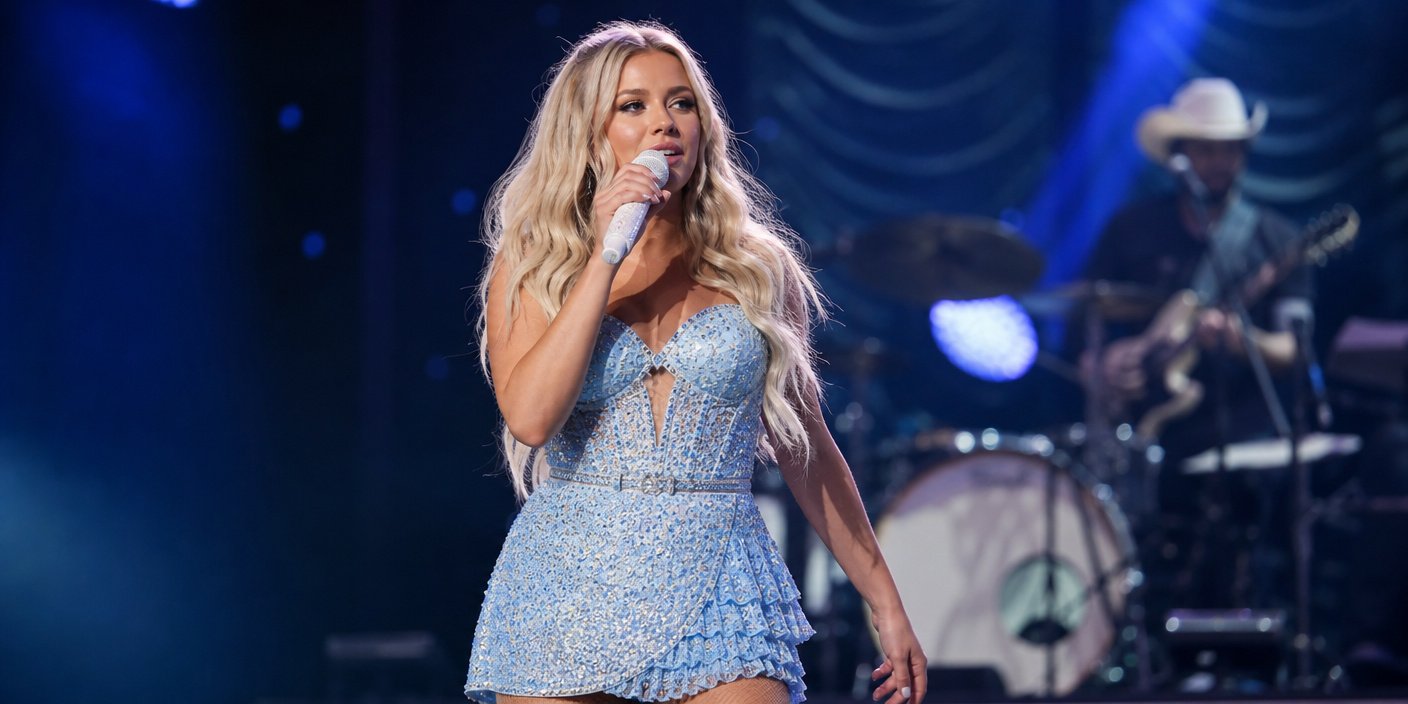
Country music rising star Megan Moroney faced an abrupt and difficult end to her scheduled performance in Denver, Colorado, this week. Mid-show, the singer was forced to leave the stage, citing a sudden onset of illness that made it impossible to continue the set. The cancellation, which took place at a pivotal point in her highly successful tour, has sparked widespread concern among fans and raised questions regarding the grueling reality of the modern country music touring circuit.
The Denver Incident: An Unexpected Halt
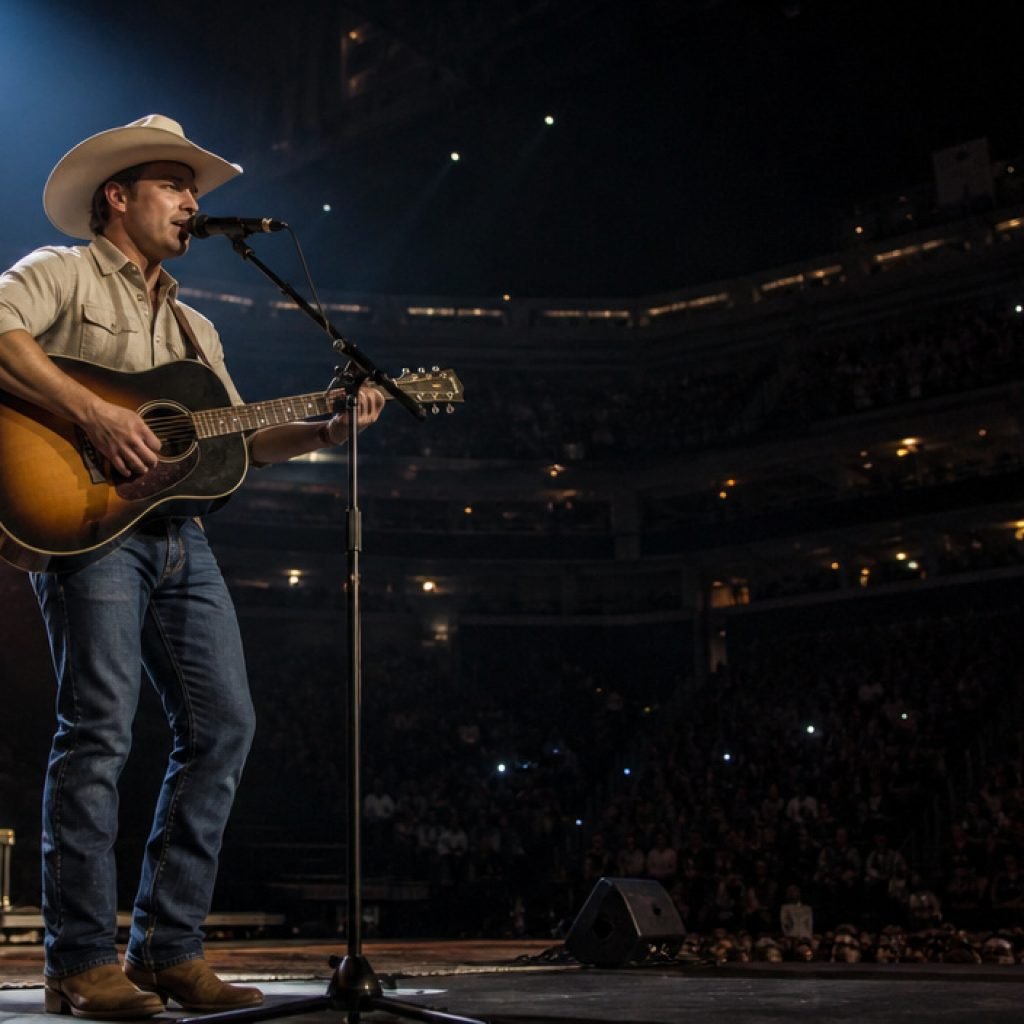
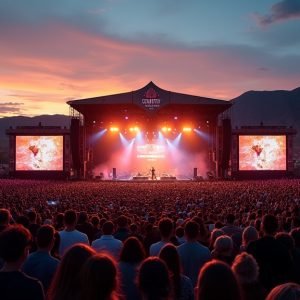
The evening at the venue, which had been anticipated for months by fans of the “Tennessee Orange” singer, took a sharp turn shortly after the concert began. Attendees noted that Moroney appeared to be struggling with her vocal performance and general stamina early into the setlist. According to reports from fans in attendance at the Fillmore Auditorium, the singer attempted to power through several tracks before eventually addressing the crowd and exiting the stage. The decision to stop the show was not made lightly; Moroney, known for her dedication to her live performances, communicated to the audience that her health had deteriorated to a point where she could no longer safely deliver the show her fans expected. The abrupt conclusion left a packed house in stunned silence, transitioning quickly from excitement to collective concern on social media platforms.
The Reality of the ‘Lucky 2.0’ Tour Cycle
To understand why such a cancellation occurs, one must look at the immense pressure placed on artists during the current post-pandemic touring boom. Megan Moroney, who skyrocketed to fame through viral hits and an authentic songwriting style, has been navigating the exhausting schedule of her “Lucky 2.0” tour. This tour, which spans dozens of cities across the United States, requires artists to travel thousands of miles, endure erratic sleep schedules, and perform in varying climates, all while maintaining peak vocal performance.
Experts in the music industry note that artists today are expected to maintain a near-constant presence. Between meet-and-greets, soundchecks, acoustic sessions for radio stations, and the main stage set, the physical toll is immense. For a breakout artist like Moroney, the pressure to maintain momentum is at an all-time high. A cancelled date is not merely a loss of revenue—though that is significant—it is a disruption to a carefully orchestrated marketing machine designed to keep the artist in the cultural zeitgeist. When a show is cancelled, it creates a ripple effect of logistics, including venue rescheduling, ticket reimbursement, and the logistical nightmare of rerouting semi-trucks full of stage equipment.
Balancing Fan Expectations and Human Limits
One of the most compelling secondary angles to this story is the evolving relationship between fan bases and the perceived ‘infallibility’ of entertainers. In the past, stars were often expected to perform through illness, a sentiment fueled by the ‘the show must go on’ mentality. However, the culture has shifted toward a greater emphasis on performer health.
Fans in the modern era, particularly in the Gen Z and Millennial demographic that makes up a large portion of Moroney’s core audience, have shown a remarkable capacity for empathy. Upon the news of the cancellation, social media was flooded not with complaints about lost ticket money, but with well-wishes and messages of support. This shift reflects a broader societal trend where audiences prioritize the long-term well-being of their favorite artists over the temporary satisfaction of a performance. The industry is watching closely: how an artist handles a health crisis can often solidify their fan loyalty more effectively than a perfect, sterile performance ever could.
The Logistical Fallout: What Happens Next?
Behind the scenes, a cancelled show triggers a complex series of events. First, the artist’s management must coordinate with the venue’s promoters to determine if a makeup date is viable. This involves checking the availability of the venue for the coming months and negotiating the financial liability for the lost date.
Furthermore, there is the issue of insurance. Most major tours carry ‘non-appearance’ insurance, but the claims process is rigorous and requires proof of medical necessity—a factor that highlights the importance of the artist’s immediate medical documentation. For Moroney, the next few weeks will be crucial. The challenge lies in managing the recovery process while adhering to the tight timelines required to resume the tour. It is a balancing act of health, professional obligation, and the need to protect the vocal cords—the instrument upon which her entire career is built. The industry remains hopeful that the break will allow her to return to the stage stronger, serving as a reminder that even the biggest stars are subject to the same human vulnerabilities as their fans.
FAQ: People Also Ask
Will Megan Moroney reschedule the cancelled Denver show?
While an official announcement regarding a makeup date is pending, typical industry practice involves checking venue availability for the remainder of the tour cycle. Fans are encouraged to hold onto their tickets and monitor official channels for updates.
Was the cancellation due to a specific illness?
Specific medical details remain private, as is standard in the entertainment industry. Moroney’s team cited general illness that prevented her from performing, which encompasses everything from viral infections to severe vocal strain.
How can I get a refund for my tickets?
Ticket holders should check with the primary point of purchase—typically the venue’s website or the platform where the tickets were bought (e.g., Ticketmaster or AXS). Policies on refunds vs. rescheduled dates are usually outlined in the terms of service provided at the time of purchase.