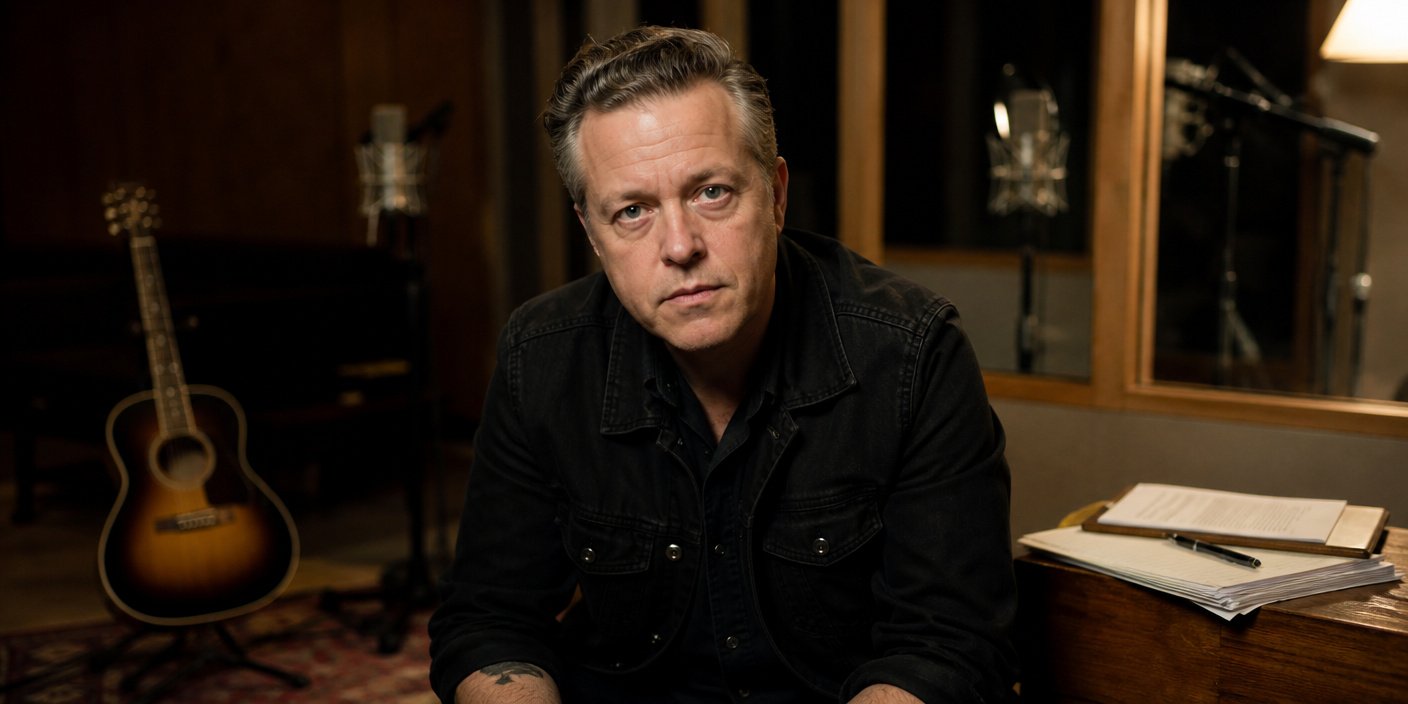
Grammy-winning singer-songwriter Jason Isbell has emerged as a high-profile figurehead in a significant class-action lawsuit against Suno AI, a leader in the consumer-level generative artificial intelligence music space. The litigation, which represents a major escalation in the conflict between the creative arts and the technology sector, centers on the unauthorized ingestion of millions of copyrighted sound recordings to train AI models that can mimic human musicality. This legal challenge, coordinated alongside major record labels, seeks to redefine the boundaries of intellectual property in the age of generative AI.
Key Highlights
- Legal Action: The lawsuit alleges willful copyright infringement on a massive scale by Suno AI and Uncharted Labs (the creators of Udio).
- The Plaintiff Group: Led by major industry stakeholders, including the Recording Industry Association of America (RIAA) and high-profile artists like Jason Isbell.
- Core Allegation: The defendants allegedly scraped millions of professional recordings without licenses to create AI models capable of generating competing musical content.
- Venue: The litigation is currently active in the United States District Court for the District of Massachusetts.
- Broader Stakes: This case is viewed as a bellwether for the future of copyright law and the viability of legitimate licensing models for AI training data.
The Copyright Collision: Creativity Versus Computation
The fundamental premise of the lawsuit is not merely a complaint about technology, but a specific allegation regarding the mechanism of ‘training data.’ Plaintiffs argue that Suno AI did not build its models through a process of ‘learning’ in the human sense, but rather through the mechanical copying and ingestion of high-value, copyrighted intellectual property. For artists like Jason Isbell—who has built a career on deeply personal, lyrical songwriting—the prospect of an algorithm being trained on his distinct style, voice, and compositional structure without consent strikes at the core of artistic agency and economic sustainability.
The Mechanism of Infringement
The legal complaint meticulously details how platforms like Suno operate. By scraping datasets containing millions of songs, these AI models break down musical structure, timbre, and arrangement into patterns that can be reassembled to generate new audio that mimics the ‘soul’ of existing artists. The plaintiffs argue that this is not ‘fair use.’ Instead, they classify it as massive, unauthorized commercial misappropriation. The core argument is that these models are effectively designed to create ‘soundalikes’ that compete directly with the very artists whose work they were trained on, thereby devaluing the original catalogs.
Legal Precedents and Challenges
This litigation is not occurring in a vacuum. It follows a series of precedents involving visual art and large language models (LLMs). However, music presents a more complex set of variables. Unlike text, music copyright involves complex layers of composition (the notes and lyrics) and sound recording (the specific performance). The plaintiffs are asserting that Suno AI has violated both. The court will need to grapple with whether the ‘output’ of these models constitutes a derivative work or whether the ‘input’ process itself is the primary site of infringement. This distinction is critical for setting future standards for the entire generative AI industry.
Economic Disparity and Industry Impact
A secondary but equally vital angle of this story is the economic divide between the venture-capital-backed AI startups and the creative class. Proponents of the AI tools argue that they are democratizing music creation. Critics, however, view this as a ‘land grab’ where tech companies appropriate centuries of human creative effort for free to create software products they sell for a subscription fee. If the courts rule in favor of the artists, it may force AI companies to shift to a licensing model. This would require them to pay royalties for training data—a move that could significantly alter the profitability of companies like Suno AI and Uncharted Labs.
Predicting the Future of AI Audio
Looking ahead, the outcome of this case will likely dictate whether the music industry moves toward a ‘permissioned’ AI ecosystem. In such a model, AI companies would enter into licensing agreements with labels and publishers, similar to how Spotify or Apple Music license tracks. If this becomes the legal standard, AI music generators might become a legitimate tool for collaboration rather than a threat to the existence of songwriters. Conversely, a loss for the artists could encourage a Wild West environment where copyright becomes increasingly difficult to enforce in the digital realm, potentially pushing artists to seek new, non-digital avenues for their work.
FAQ: People Also Ask
Why is Jason Isbell involved in this lawsuit?
Jason Isbell is a vocal advocate for songwriters’ rights. His involvement highlights the concern that generative AI poses an existential threat to the livelihoods of professional musicians who rely on copyright protections to earn a living from their creative output.
What is the core allegation against Suno AI?
The primary allegation is ‘willful copyright infringement.’ The plaintiffs claim that Suno AI ingested millions of copyrighted sound recordings without authorization, compensation, or credit to the original creators to train its music generation algorithms.
What is the RIAA’s role in this case?
The Recording Industry Association of America (RIAA) is acting as a major orchestrator of this litigation, representing the interests of record labels. They are providing the legal firepower necessary to challenge the massive scope of the alleged infringement.
Does this lawsuit signal the end of AI music?
Not necessarily. The lawsuit aims to force AI companies to operate within the bounds of copyright law. It could lead to a ‘licensed’ model where AI platforms pay for the data they use, rather than shutting down the technology entirely.