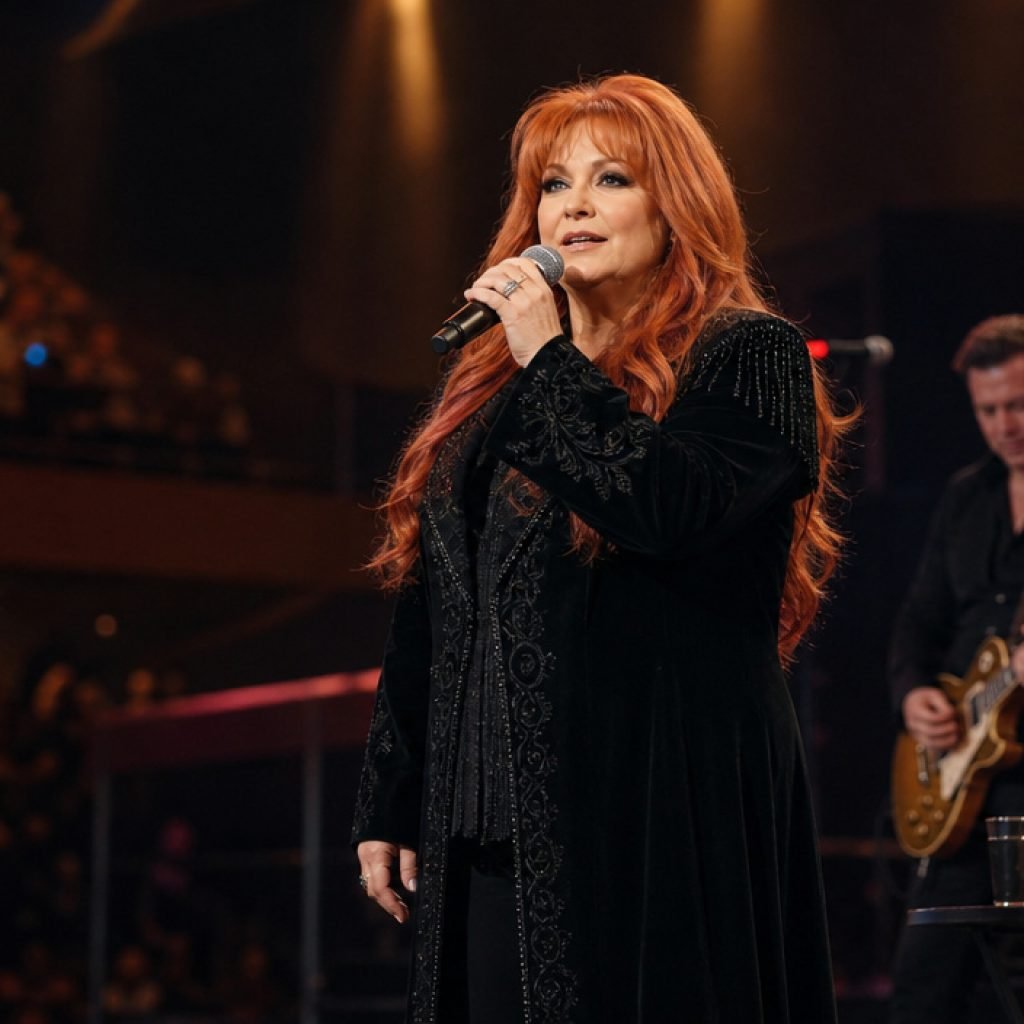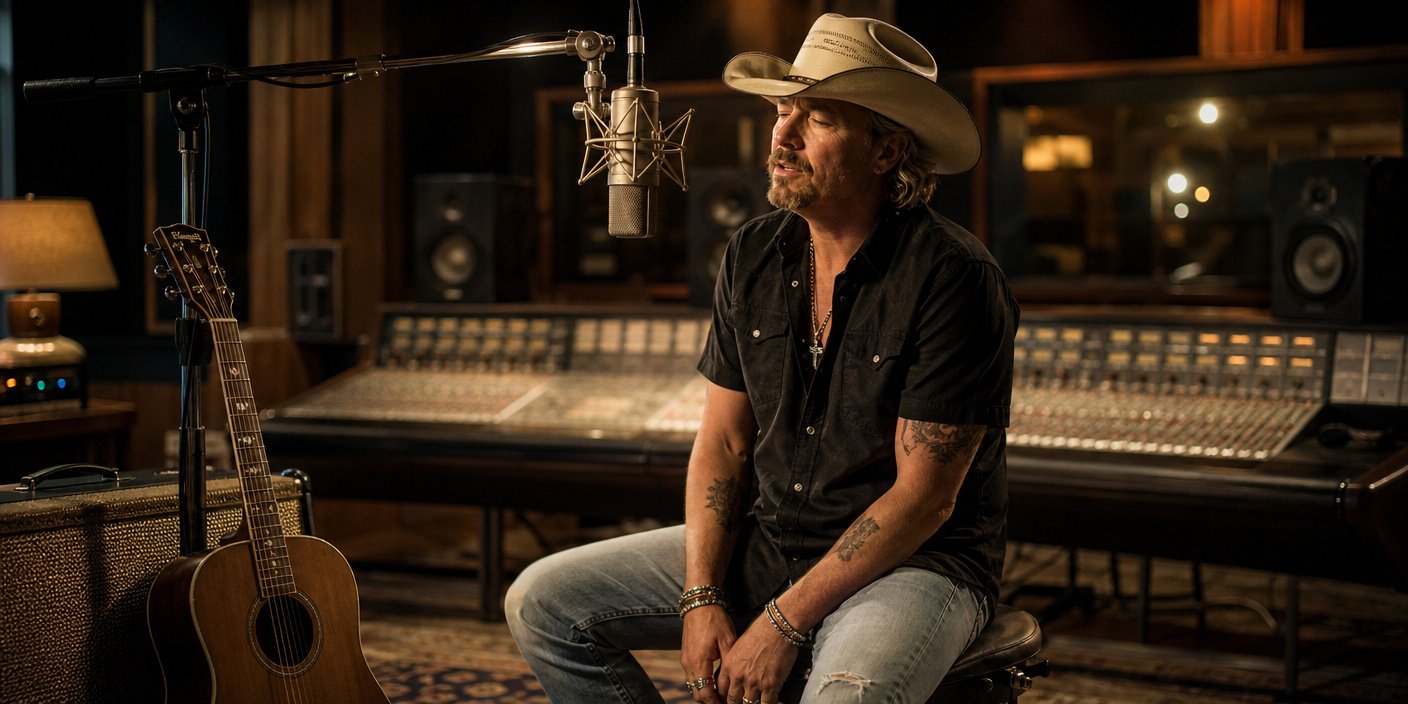
This week’s edition of Countrytown’s “The Country Drop” serves as a definitive thermometer for the current state of the country music industry, capturing the intersection of global stardom and independent artistic evolution. As the industry pivots toward year-end assessments, the releases of November 20th provide a compelling look at the diverse trajectories defining the genre, ranging from the polished, narrative-driven storytelling of established icons to the gritty, neo-traditionalist resurgence led by rising stars.
A New Era of Narrative-Driven Country Music
The Impact of Lainey Wilson’s ‘Just A Woman’
Lainey Wilson’s latest track, “Just A Woman,” marks more than just another release; it represents a consolidation of the “Bell Bottom Country” aesthetic that has dominated the charts for the past 24 months. Wilson has effectively bridged the gap between the outlaw-country spirit of the 1970s and the modern, high-gloss production values required for streaming dominance. Her ability to pivot between emotionally raw ballads and stadium-ready anthems is evident here, as “Just A Woman” highlights the vulnerability that often gets lost in the rush for viral hooks on platforms like TikTok.
From an editorial standpoint, Wilson’s career trajectory offers a masterclass in artist branding. By maintaining a cohesive visual and sonic identity, she has insulated herself against the ephemeral nature of viral hits. “Just A Woman” serves as an anchor for this week’s release cycle, demonstrating that even as country music experiences unprecedented crossover success, the demand for authentic, character-driven storytelling remains the genre’s most valuable commodity. Her influence has essentially shifted the goalposts for what constitutes a “hit” in Nashville, moving the industry away from the manufactured pop-country of the late 2010s and toward a more organic, grounded sound that resonates with a wider demographic.
Zach Top and the Neo-Traditionalist Surge
Contrasting Wilson’s modern expansion is Zach Top’s “Moonshine,” a track that cements his position at the forefront of the neo-traditionalist movement. If Wilson is the architect of the new mainstream, Top is the guardian of the genre’s heritage. “Moonshine” leans heavily into the 90s-style honky-tonk sound that has seen a massive resurgence in popularity among Gen Z listeners—a demographic previously thought to be immune to the charms of steel guitars and fiddles.
This trend is not merely nostalgic; it is a tactical response to the over-saturation of electronic elements in modern country production. By stripping back the instrumentation and prioritizing clear, evocative songwriting, Top has tapped into a market segment that values musicality over production tricks. The significance of “Moonshine” in the November 20th drop cannot be overstated; it proves that the appetite for “traditional” sounds is not just a niche interest but a robust, growing sector of the mainstream industry. For Nashville labels, this release acts as a validation of the “back to basics” strategy, signaling that traditionalist artists are no longer fighting for the scraps of the industry but are now leading the charge.
Kelsi Mayne and the Indie Persistence
While Wilson and Top dominate the headlines, the expanded album release by Kelsi Mayne provides a critical secondary angle regarding the sustainability of the independent artist model. In an era where streaming algorithms prioritize high-frequency single releases, Mayne’s commitment to an expanded album project highlights the tension between art and the algorithm. Her ability to maintain creative control while expanding her catalog demonstrates the viability of the “independent-to-major” pipeline, a model that has become increasingly common as streaming data allows independent artists to prove their market value without traditional gatekeepers.
Mayne’s project is a testament to the fact that, despite the consolidation of power in Nashville, the digital marketplace remains a democratic space for artists with a strong, dedicated following. Her release provides the essential diversity needed in a weekly roundup, ensuring that “The Country Drop” remains representative of the ecosystem rather than just the industry titans.
Secondary Industry Angles: The Future of Country Music
1. The Shift in Radio Power: As “The Country Drop” and similar digital curators gain influence, the power of traditional terrestrial radio is waning. This week’s releases, particularly those by Wilson and Top, show that artist discovery is increasingly happening on social media and curated playlists, forcing radio programmers to react to audience demand rather than dictating the sound of the genre.
2. The Economic Viability of Genre Blurring: We are seeing an economic transition where “Country” is no longer a sound, but a lifestyle brand. The financial success of these releases suggests that the blurring of lines between country, folk, and pop is not an accident but a strategic effort to maximize the total addressable market. The industry is currently favoring artists who can pivot across these sub-genres seamlessly.
3. Data-Driven Artistic Development: The release strategies for all three artists—Wilson, Top, and Mayne—reflect a heightened reliance on audience data. Whether it is Wilson’s calculated expansion into global markets or Top’s precise targeting of the neo-traditionalist fanbase, these releases are not happening in a vacuum. They are the result of sophisticated, data-backed decisions that optimize for reach, retention, and long-term brand equity.