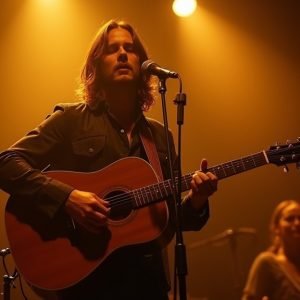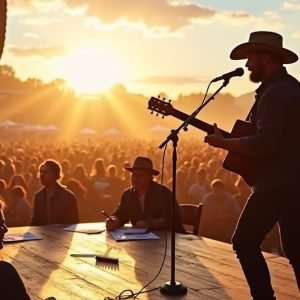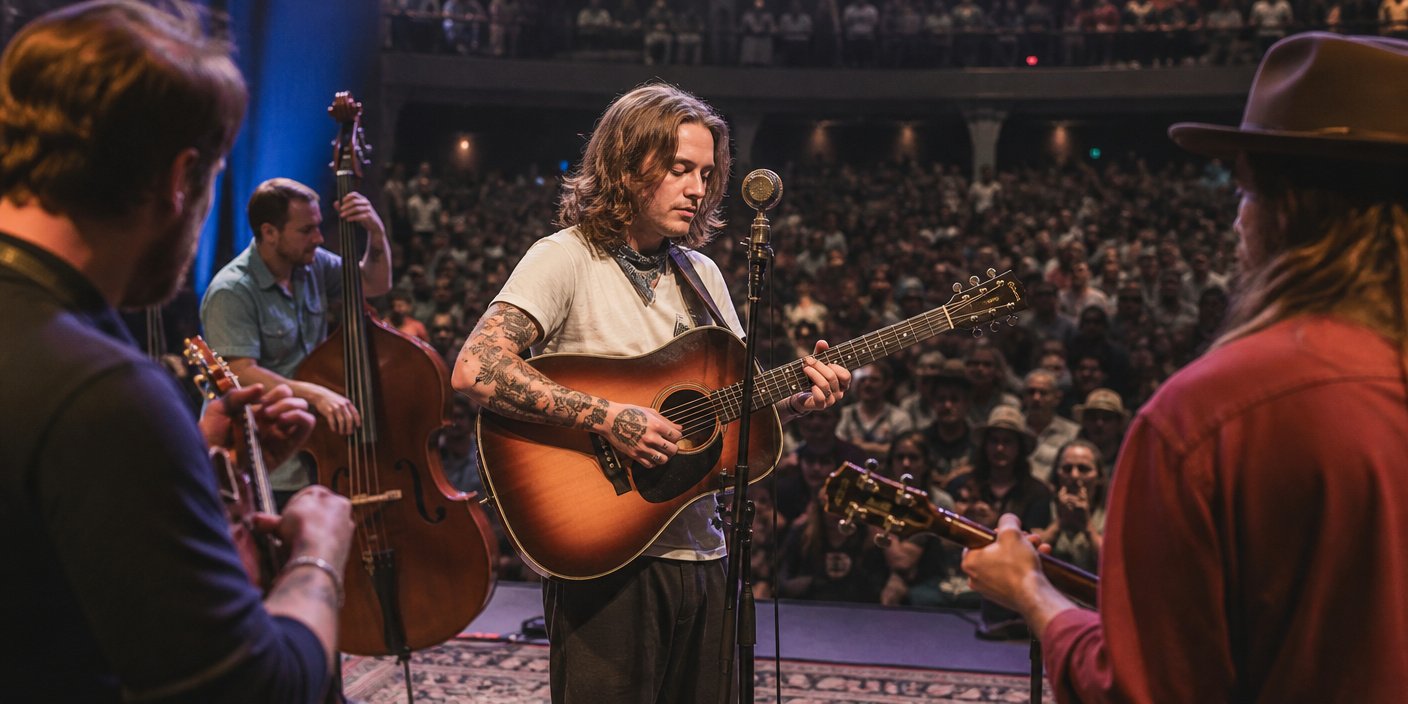
Bluegrass and Americana phenomenon Billy Strings has taken a decisive stance against the rising reports of sexual harassment and non-consensual physical contact occurring within his concert crowds. As his live performances continue to attract record-breaking attendance across North America, the artist—born William Apostol—has formally addressed viral fan accounts that described instances of groping and aggressive behavior during his shows. The musician’s intervention marks a critical juncture in the ongoing conversation regarding safety in live music spaces, emphasizing that the immersive nature of his bluegrass sets must be founded on mutual respect and consent.
Key Highlights
- Formal Condemnation: Billy Strings has explicitly addressed and condemned reports of sexual harassment and unwanted touching at his concerts, affirming that such behavior is fundamentally incompatible with his community values.
- Call to Action: The artist has urged fans to remain vigilant and to immediately report any misconduct to venue security, ensuring that perpetrator removal remains a top priority.
- Cultural Shift: The issue reflects a broader, urgent conversation within the live music industry regarding concert safety, audience accountability, and the responsibilities of artists to cultivate a non-toxic environment.
- Venue Accountability: Industry experts suggest this marks a potential shift toward stricter venue security protocols, with increased lighting and surveillance in general admission areas becoming a standard demand for major touring acts.
Navigating Safety in the Modern Concert Era
The conversation surrounding concert safety has evolved rapidly over the past few years, moving from general crowd control to a nuanced focus on individual bodily autonomy. For Billy Strings, whose fan base often engages in high-energy, immersive dance and communal experiences, the reports of groping and harassment have struck a discordant note. In his recent address to the public, Apostol made it clear that the spirit of the music—often centered on connection and liberation—cannot be used as a pretense for predatory behavior.
The Impact of Viral Fan Reports
Social media platforms, particularly fan-centric forums and subreddits, have become the primary mechanism through which these incidents have come to light. Fans have shared specific accounts of being touched inappropriately while navigating dense, general-admission crowds. By addressing these reports directly, Strings has validated the experiences of those who felt unsafe, effectively stripping away the “boys will be boys” or “it’s just a concert” excuses that have historically plagued large music venues. This acknowledgement from a top-tier artist acts as a powerful deterrent, signaling to potential perpetrators that their actions are seen and will not be tolerated within the community.
Secondary Angle 1: The ‘Jam Band’ Community and Etiquette
Unlike traditional arena pop tours, which often have assigned seating, the jam band and bluegrass circuit—of which Billy Strings is a leading figure—relies heavily on standing-room-only, general admission environments. This fluid crowd dynamic, while conducive to dancing and collective movement, also creates pockets of anonymity where bad actors have historically operated with impunity. The challenge lies in maintaining this “freedom of movement” while simultaneously enforcing strict standards of behavior. It is a balancing act that requires a cultural shift among the fan base itself—turning bystanders into active interveners.
Secondary Angle 2: Venue Security vs. Crowd Dynamics
There is an increasing economic and logistical pressure on tour promoters and venues to adapt to these safety concerns. We are seeing a shift where artists are demanding higher levels of surveillance and floor security from venues. For a tour of Billy Strings’ magnitude, this involves coordination with local security firms to ensure that venue staff are trained specifically to spot and intervene in instances of non-consensual contact. The financial cost of this increased staffing is becoming a standard line item in tour budgets, reflecting the industry’s realization that fan safety is directly tied to the longevity and success of the touring brand.
Secondary Angle 3: The Psychology of Crowd Behavior
Sociologists studying modern live music events note that as attendance figures rise, the feeling of individual accountability often decreases—a phenomenon known as the “bystander effect.” When an artist like Billy Strings addresses this issue, they are actively attempting to break that psychological barrier. By framing consent as a community responsibility rather than just a “security issue,” the artist is attempting to alter the crowd’s collective conscience. This is a crucial psychological intervention: the artist is not just performing music; they are actively shaping the social norms of the room.
FAQ: People Also Ask
How should fans report misconduct at Billy Strings concerts?
Fans are encouraged to immediately identify the nearest venue security personnel, event staff, or usher. Most modern venues also have established procedures for rapid response to such complaints. If possible, providing a physical description of the perpetrator to staff is vital.
Are venue security protocols changing in response to these complaints?
Yes. Many venues hosting high-profile touring acts are implementing stricter “Code of Conduct” policies, which are often printed on tickets or displayed on venue signage. These policies often include a zero-tolerance stance on harassment, leading to immediate ejection from the premises.
Is this phenomenon unique to the bluegrass genre?
No. This is a pervasive issue across all genres of live music, from EDM and heavy metal to pop and country. However, the close-knit nature of the bluegrass community makes these incidents particularly jarring, as the fan base often prides itself on a culture of inclusivity and friendliness.
Will Billy Strings change his tour production to improve safety?
While specific production changes have not been fully outlined, the artist’s statement indicates that safety is being treated as a priority. This may manifest in increased lighting on the floor, more visible security presence within the crowd, and a clearer “zero-tolerance” messaging before and during sets.