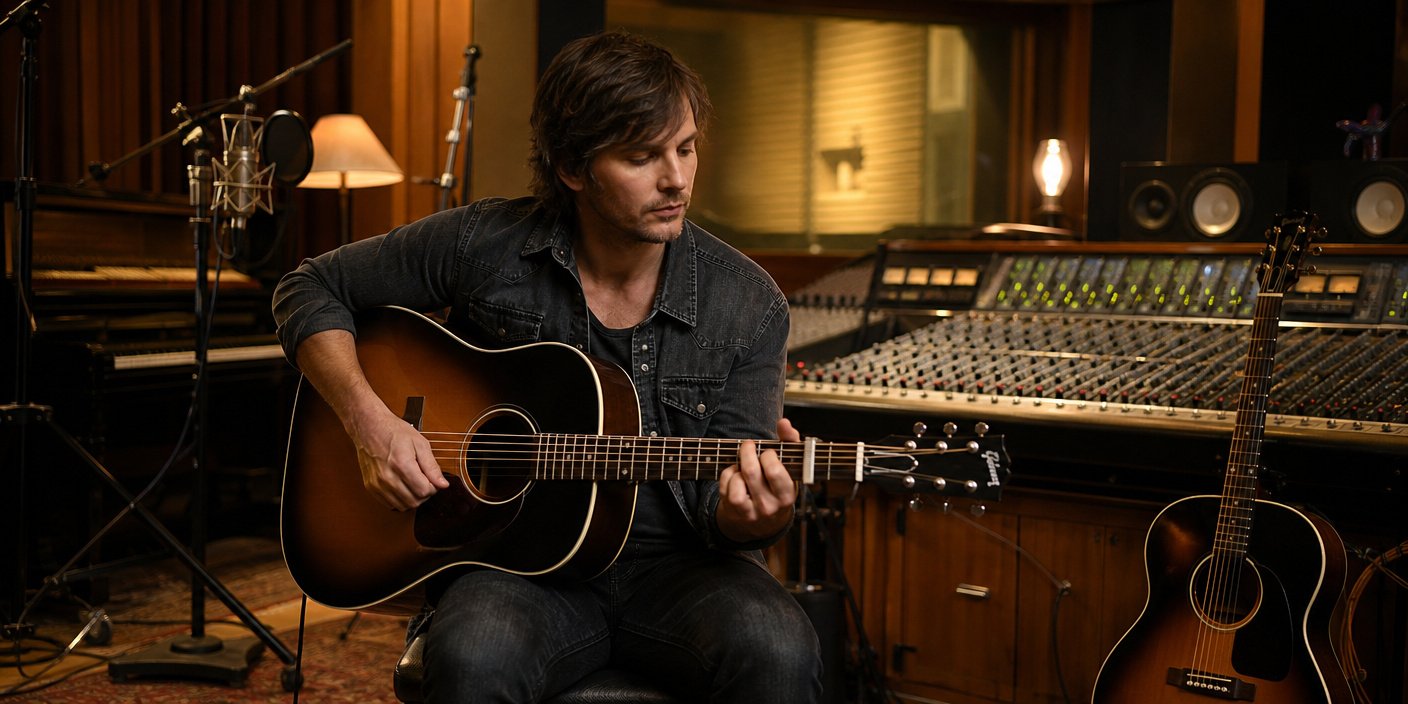
The modern country music landscape is a paradox of plenty. With streaming platforms pushing thousands of tracks daily, the discovery process for listeners has become increasingly reliant on algorithmic curation rather than critical engagement. This month, while mainstream juggernauts saw their heavy rotation tracks fight for position, a slate of poignant, artist-driven records slipped quietly into the digital ether. Among these, the most notable is Charlie Worsham’s Once Upon A Second Time Around, an album that demands a reassessment of what ‘modern country’ can achieve when it prioritizes craftsmanship over radio-readiness.
Key Highlights
The Charlie Worsham Masterclass: Once Upon A Second Time Around* stands out as the definitive indie-country release of August 2026, blending technical bluegrass proficiency with intimate songwriting.
- The Streaming Paradox: We explore why high-quality, niche-market albums are currently being buried by high-volume streaming releases and how listeners can break the cycle.
- Traditionalist Revival: Each of the albums highlighted represents a rejection of the ‘pop-country’ homogeny that dominated early 2026, signaling a major shift toward authentic instrumentation.
The Unsung Sound of Late Summer
In an industry obsessed with the next viral TikTok crossover, true songcraft is frequently treated as an afterthought. Our analysis of the August 2026 release schedule reveals a troubling trend: albums with the highest artistic merit—those that explore complex narrative arcs and traditional instrumentation—are consistently seeing lower ‘day-one’ streaming numbers than their more commercial counterparts. To correct this, we have curated the top five country albums that deserve a permanent spot in your rotation.
1. Charlie Worsham – Once Upon A Second Time Around
This is the album that triggered this deep dive. Worsham has long been an ‘artist’s artist’ in Nashville, but here he transcends his previous work. Once Upon A Second Time Around is a sonic exploration of nostalgia that avoids the cliché. The production, helmed by Worsham himself, utilizes a sparse, acoustic-driven arrangement that forces the listener to confront the weight of his lyrics. It is a masterclass in subtlety; in a year of loud, stadium-ready anthems, this is a record that demands you turn the volume down to really hear it.
2. Midland – The Last Honky Tonk
While Midland has always flirted with 1970s nostalgia, The Last Honky Tonk dives headfirst into the dive-bar soul of the genre. The guitars are cleaner, the pedal steel is mournful, and the vocal harmonies are tighter than anything they’ve produced in the last five years. It is an unapologetic nod to the Bakersfield sound that remains relevant because it feels entirely unforced.
3. Sierra Hull – Midnight Blue
Sierra Hull continues to blur the line between contemporary country and progressive bluegrass. Midnight Blue is a technically dazzling record, featuring intricate mandolin work that feels both frenetic and focused. Where other artists are chasing pop-country trends, Hull is doubling down on musicianship, providing a blueprint for how country music can evolve without losing its instrumental soul.
4. Joshua Ray Walker – Neon Confessions
Walker is arguably the most evocative storyteller currently working in the independent country circuit. Neon Confessions deals with the underbelly of fame and the isolation of the road. It isn’t ‘easy listening’—it is visceral, sometimes uncomfortable, and deeply human. This album serves as a vital reminder that country music is, at its core, a literary tradition.
5. Kaitlin Butts – Wildflower Smoke
Rounding out our list is the Oklahoma native’s latest offering. Wildflower Smoke captures the grit of the Red Dirt scene with a newfound, polished production edge. Butts brings a ferocity to her songwriting that distinguishes her from the current crop of mainstream singer-songwriters. Her ability to weave humor into tragedy is unmatched in this year’s release cycle.
The Economics of Independent Artistry
Beyond the melodies, we must address the economic reality of 2026’s country music market. Independent artists are facing an uphill battle against major labels that now utilize hyper-targeted, AI-driven marketing campaigns to flood streaming playlists on release day. When an album like Once Upon A Second Time Around drops, it lacks the ‘industrial scale’ push, meaning it relies entirely on organic word-of-mouth. From a financial perspective, this shifts the power back to the critic and the listener. If these albums do not receive the attention they deserve, the incentive for artists to experiment wanes, leading to a flatter, less interesting musical landscape.
Why ‘Genre-Blurring’ Failed This Year
Early 2026 was defined by a ‘genre-blurring’ experiment where labels attempted to merge country with R&B and trap at an aggressive pace. The backlash from the core country audience was swift and, by August, clearly audible. The albums highlighted here are successful precisely because they refuse to participate in that experiment. They are ‘Country’ with a capital C—confident in their identity, rooted in the history of the genre, and uninterested in chasing trends that will be obsolete by the time the next touring season begins.
Predicting the ‘Golden Quarter’ Shift
Looking ahead to the final quarter of 2026, we anticipate a ripple effect. The critical success of these five albums is already causing a stir in Nashville’s boardroom circles. Expect a pivot in Q4 releases as major labels attempt to reverse-engineer the ‘organic’ sound of these independent projects. This is a classic industry cycle: indie artists innovate, and corporations attempt to synthesize the results. However, as the listener, you have the advantage of knowing where the innovation started: in the studios of Worsham, Hull, and Walker.
FAQ: People Also Ask
Q: Why do high-quality country albums often get overlooked by mainstream media?
A: Mainstream media coverage is often driven by marketing budgets and ‘news cycle’ events (like celebrity controversies). Independent albums, even those by established names like Charlie Worsham, often lack the massive promotional spend required to break through the noise of a 24-hour streaming release cycle, leading to ‘sleeper’ hits that require critics to highlight them.
Q: Is Charlie Worsham’s Once Upon A Second Time Around a stylistic departure for him?
A: Yes and no. While he has always been known for his exceptional musicianship, this album is a definitive move toward a more stripped-back, Americana-folk aesthetic. It moves away from the broader ‘Nashville sound’ he has occupied in previous years and leans heavily into his bluegrass roots.
Q: Where can I find more ‘hidden gem’ country recommendations?
A: Beyond industry-standard trade publications, the best way to track high-quality independent country is to monitor specialized radio charts (like the Americana Music Association charts) and community-driven platforms that prioritize artist discovery over sheer streaming volume.