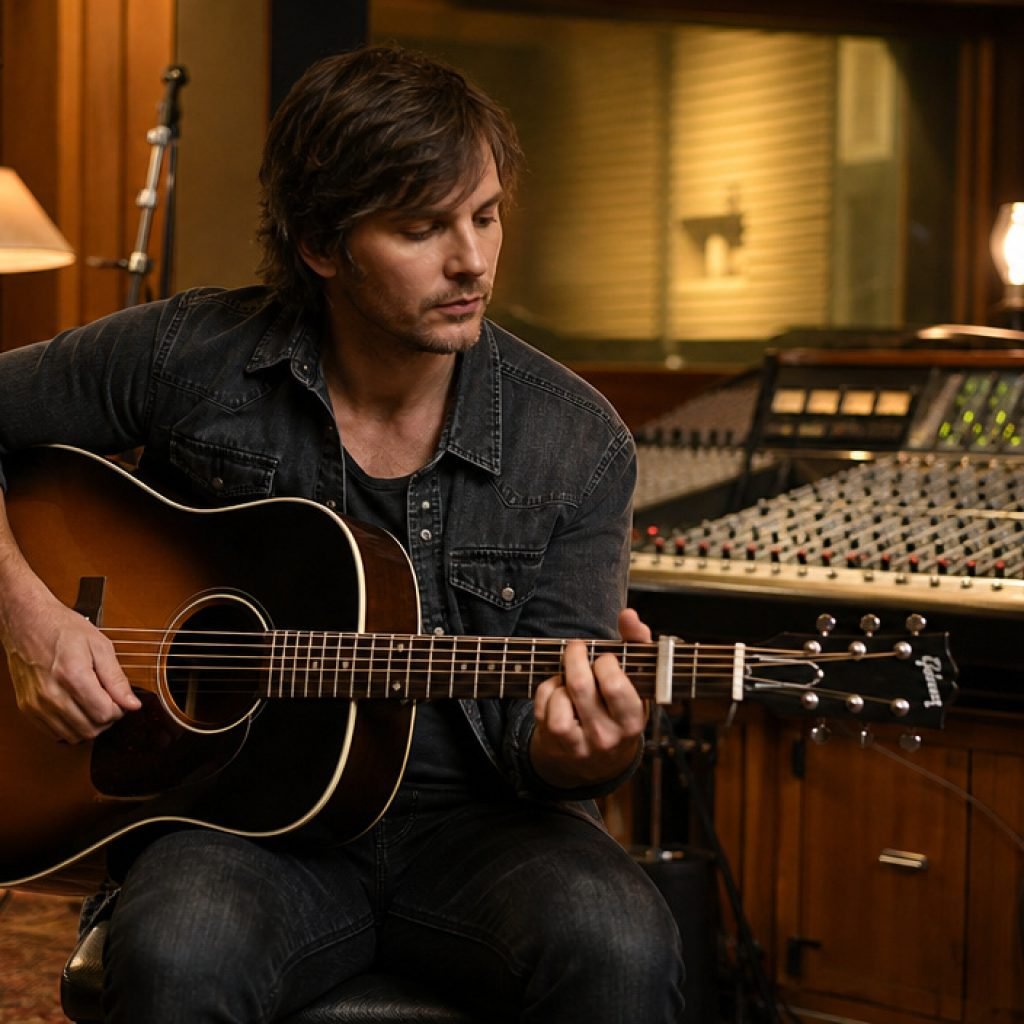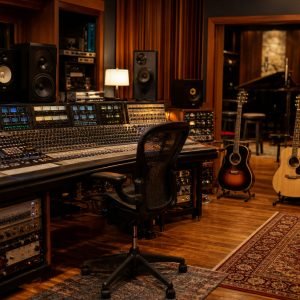
The Metro Nashville Council has officially solidified the future of the city’s most storied creative district by enacting the Music Row Historic Preservation Overlay. This definitive legislative move acts as a permanent firewall against the rapid commercial redevelopment that threatened to erase the specific architectural and cultural character of the 16th and 17th Avenue South corridors. By restricting demolition and regulating exterior renovations, the city has ensured that the physical environment where iconic tracks from Dolly Parton to The Black Keys were recorded remains intact, balancing Nashville’s explosive urban growth with the preservation of its foundational identity.
Key Highlights
- Formal Designation: The area is now legally protected under the Music Row Historic Preservation Overlay District, which mandates strict guidelines for demolition and new construction.
- Economic Safeguard: The protection helps maintain property values for existing recording studios, preventing the conversion of legacy music hubs into high-density commercial office space.
- Architectural Integrity: Development plans in the district must now pass through the Metro Historic Zoning Commission, ensuring that any new building fits the established aesthetic of the neighborhood.
- Industry Consensus: The move follows years of advocacy from the National Trust for Historic Preservation, which had previously declared the area a ‘National Treasure’ at risk of disappearing.
The Architectural Safeguarding of Music City’s Heart
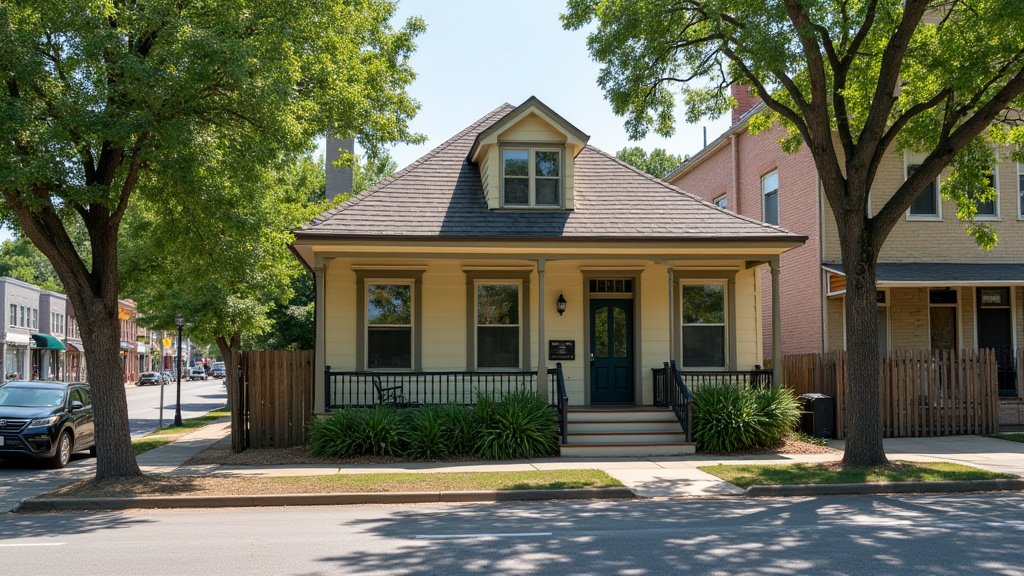
The preservation of Nashville’s ‘Music Row’ is not merely an exercise in city planning; it is a tactical defense of a global cultural asset. For decades, the district—a collection of unassuming residential bungalows converted into world-class recording sanctuaries—faced an existential threat from high-rise developers eager to capitalize on Nashville’s booming real estate market. The enactment of the historic preservation overlay serves as a regulatory buffer, forcing a shift in how the city approaches density versus legacy.
The Mechanics of the Preservation Overlay
At its core, the overlay functions by requiring developers and property owners to obtain approval from the Metro Historic Zoning Commission before initiating significant structural changes. This is not a ‘frozen in amber’ decree; rather, it is a management tool. The regulation focuses primarily on the visible character of the district. Buildings are categorized by their historical and architectural significance, which dictates the level of scrutiny applied to renovation or potential demolition requests. This ensures that when a historic studio needs modernization, the updates must be sympathetic to the structure’s original design, preserving the visual continuity of the neighborhood.
Balancing Growth and Heritage
The tension between Nashville’s rapid gentrification and the need to retain its creative soul has been the central conflict of the last decade. As the city population surged, the value of the land on Music Row skyrocketed, leading to several high-profile demolitions of historic homes-turned-studios. The legislative victory serves as a blueprint for other music capitals, such as Austin or Detroit, that struggle to balance economic development with the preservation of their creative ‘districts.’ By codifying the district’s status, the city has recognized that the economic value of Nashville is inextricably linked to the mystique of its recording heritage. If the district becomes a generic corporate skyline, the ‘Music City’ brand risks losing its tangible anchor.
Future Implications for Industry Labels and Studios
For recording labels and independent studio owners, this legal certainty provides long-term stability. The fear of being priced out or forced to relocate due to neighboring skyscrapers was a primary concern for the creative class. With the overlay in place, property owners can invest in their facilities with the assurance that the neighborhood’s character will remain consistent. This stability is expected to encourage further private investment in studio upgrades, keeping Nashville at the forefront of global audio production. It secures the ecosystem where artists, producers, and labels collaborate, ensuring that the ‘studio bungalow’ remains a functional, viable model for modern music production.
FAQ: People Also Ask
Q: Does this mean no new buildings can be constructed on Music Row?
A: No. The preservation overlay does not halt development entirely. It requires that new construction be compatible with the scale, height, and character of the existing historic structures in the district, ensuring it does not overshadow or clash with the established atmosphere.
Q: How does this affect residential homeowners in the area?
A: The overlay applies to the district as a whole. Homeowners within the designated zone must adhere to guidelines set by the Metro Historic Zoning Commission regarding exterior renovations, ensuring the neighborhood maintains its historic visual cohesion.
Q: Will this stop the rise of hotel developments in the area?
A: It drastically limits them. By enforcing stricter zoning and design standards that prioritize historic compatibility over maximum density, the overlay makes it significantly more difficult for large-scale, out-of-scale hotel projects to replace historic studio properties.
Q: Which specific organization led the charge for this preservation?
A: The movement was a coalition effort, with the National Trust for Historic Preservation playing a pivotal role alongside the Metro Nashville Planning Department and various grassroots advocacy groups representing the local music industry.