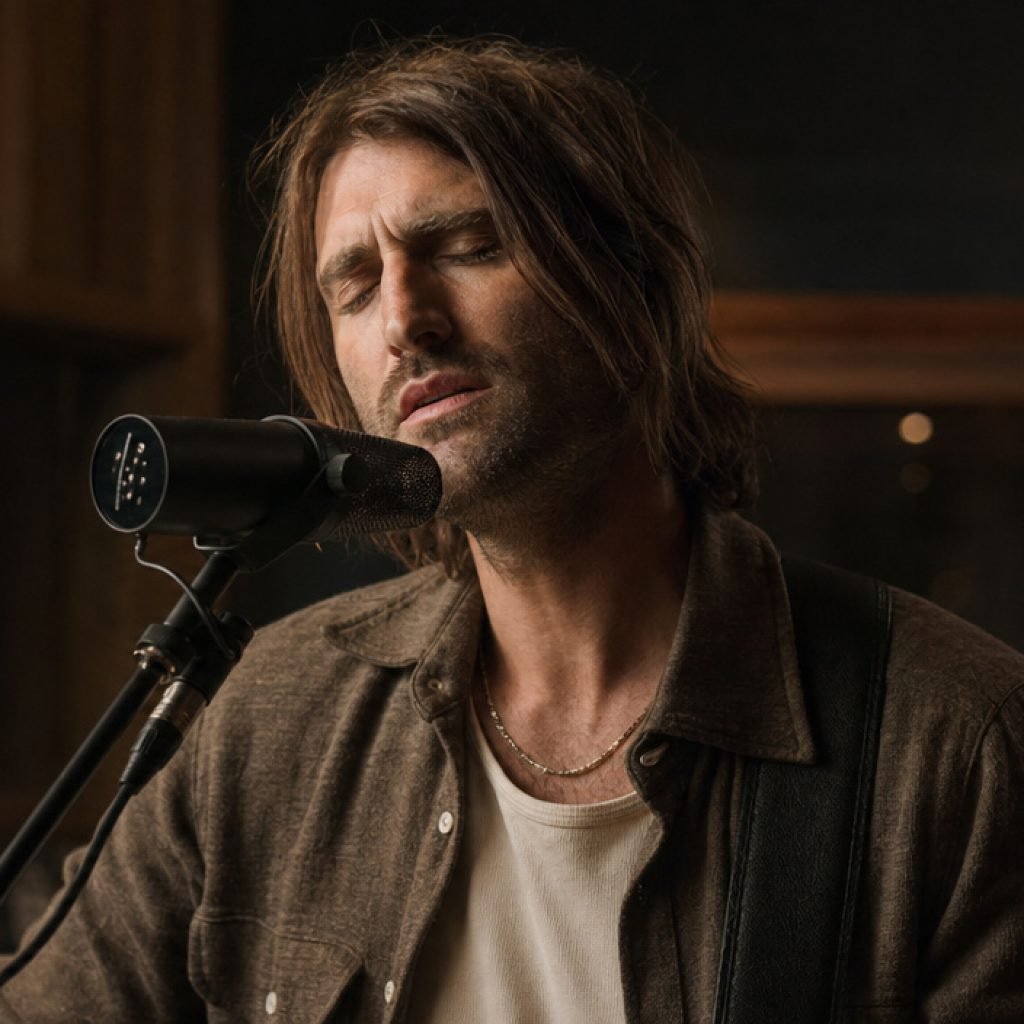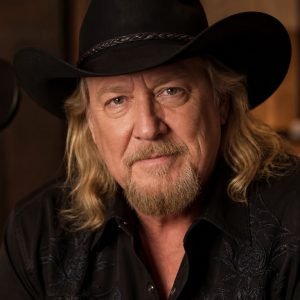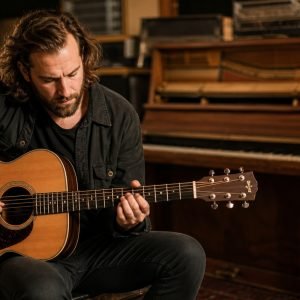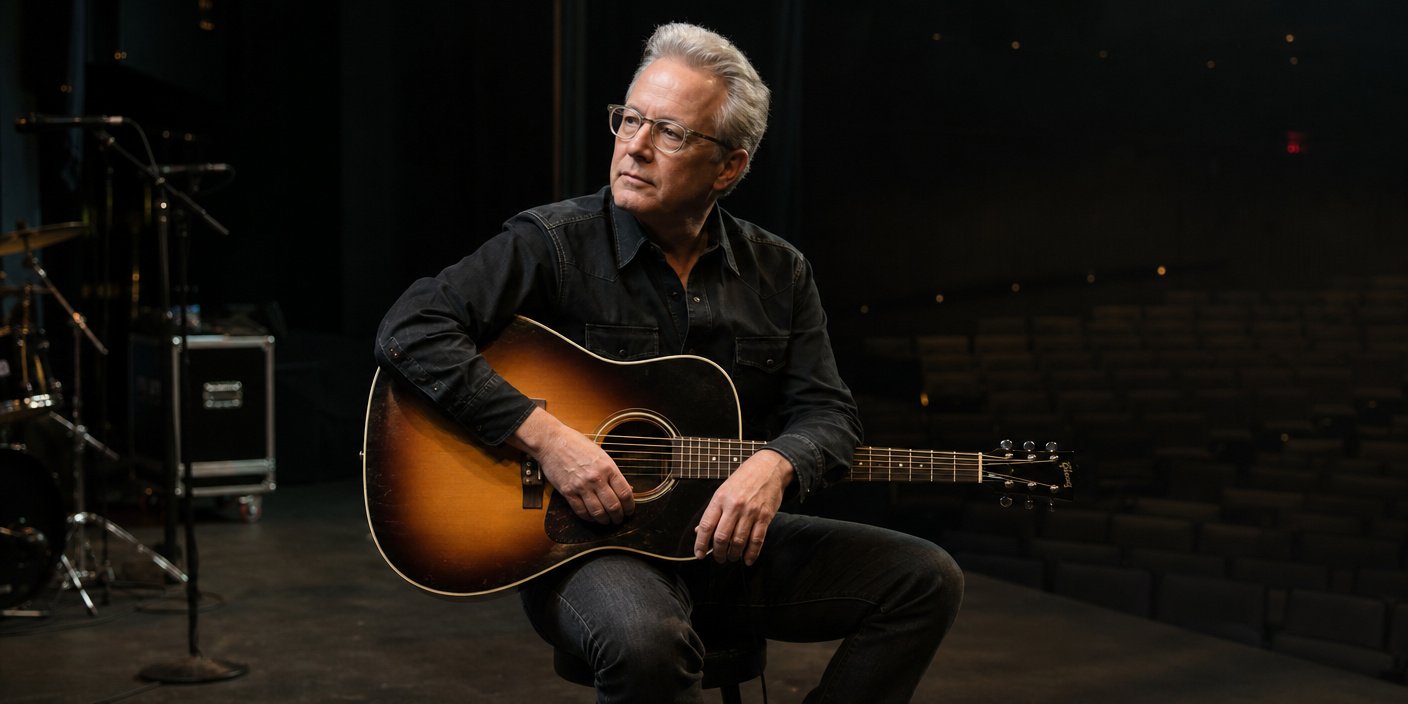
Country music singer-songwriter Radney Foster has officially postponed his upcoming concert dates, citing a health setback related to his recent battle with sepsis. The announcement, which came as a blow to fans and the country music community, highlights the harrowing and often invisible reality of post-sepsis recovery. Foster, a veteran performer known for his poetic songwriting and enduring influence on the Texas country scene, confirmed that while his condition is being managed, medical necessity dictates a pause in his touring schedule.
Understanding the Medical Reality: Post-Sepsis Syndrome
Sepsis is the body’s extreme response to an infection. It is a life-threatening medical emergency that occurs when an infection you already have triggers a chain reaction throughout the body. While the initial infection can often be treated with antibiotics if caught early, the recovery process is frequently misunderstood by the public. For many patients, including high-profile performers like Foster, the aftermath—often referred to as Post-Sepsis Syndrome (PSS)—can be just as debilitating as the infection itself.
Medical experts note that PSS can include profound fatigue, muscle weakness, cognitive difficulties (often called ‘brain fog’), and psychological challenges like anxiety or PTSD. For a touring musician, whose job requires high-level physical stamina, travel logistics, and the mental acuity to perform, these symptoms present an insurmountable barrier. The ‘setback’ Foster described is likely not a new infection, but rather the exhaustion of the body’s resources as it attempts to heal from the trauma of the initial systemic shutdown. By choosing to postpone, Foster is prioritizing his long-term health over the immediate demands of the road.
The Economics and Logistics of Legacy Touring
When a heritage artist like Radney Foster—whose career spans decades, from his time in the duo Foster & Lloyd to his acclaimed solo work—cancels or postpones tour dates, the ripple effects are significant. The modern touring landscape is not structured for flexibility; it relies on strict advance planning, venue availability, sound and light crews, and complex logistical chains. Canceling dates involves a cascade of financial consequences, from non-refundable travel deposits to the loss of per-show revenue that sustains the touring infrastructure.
However, Foster’s decision underscores a shifting culture in the entertainment industry regarding artist health. In decades past, the ‘the show must go on’ mentality often pushed artists to perform through severe illness or injury, sometimes to the detriment of their long-term viability. Today, there is a greater emphasis on sustainability. Management teams are increasingly risk-averse, understanding that a career is a marathon, not a sprint. By delaying the shows rather than forcing a performance, Foster is protecting his legacy and ensuring that when he does return to the stage, he is delivering the caliber of performance that his audience has come to expect over the last thirty-plus years.
Impact on the Independent Country Landscape
Radney Foster occupies a unique position in American music. He is a songwriter’s songwriter, having penned hits for others while maintaining a consistent solo career. His influence on the Texas country music scene and the Americana genre is foundational. When an artist of his stature faces a public health crisis, it resonates deeply within the songwriting community.
Fans often view musicians as invulnerable, but the reality is that the road is a grueling environment. The irregular sleep, constant travel, and physical exertion required to maintain a professional tour can exacerbate underlying health issues. Foster’s openness about his sepsis battle serves as a stark reminder of the humanity behind the music. It humanizes the artist, fostering a deeper connection with his fanbase, who have responded with an outpouring of support on social media platforms. This level of fan engagement is vital for legacy artists, who rely on a dedicated core audience to support their work through streaming, merchandise, and ticket sales throughout the years.
Navigating the Road Ahead
What comes next for Foster involves a structured rehabilitation plan. While the specific details of his return have not been disclosed, his management has been clear: the focus is on recovery. For ticket holders, the immediate advice is to hold onto their existing tickets. Rescheduling tours is a delicate process, particularly in a post-pandemic market where venue availability is tighter than ever.
As the industry watches, Foster’s situation serves as a case study in crisis management for touring artists. It highlights the importance of having flexible contract clauses, supportive management, and a loyal, understanding fanbase. While the music industry is often obsessed with the ‘next big thing,’ the resilience of veteran artists like Radney Foster remains a cornerstone of the business. Fans and industry peers alike are waiting with cautious optimism for the moment the songwriter feels ready to pick up his guitar and take the stage once more.
FAQ: People Also Ask
What should ticketholders do if their Radney Foster show is postponed?
Ticketholders are generally advised to hold onto their original tickets. Most venues and promoters will honor them for the rescheduled dates. If you cannot attend the new date once announced, standard policy usually allows for a refund through the point of purchase, but you should monitor official announcements for specific protocols.
What is sepsis and why is it considered a medical emergency?
Sepsis occurs when the body’s response to infection causes injury to its own tissues and organs. It is a medical emergency that can lead to tissue damage, organ failure, and death if not treated immediately. Recovery often takes months and requires significant rest, which is why it forces the cancellation of professional commitments.
Who is Radney Foster in the context of country music?
Radney Foster is a highly respected country music singer-songwriter. He first gained fame in the late 1980s as half of the duo Foster & Lloyd, producing hits like ‘Crazy Over You.’ As a solo artist, he achieved significant success with tracks like ‘Just Call Me Lonesome’ and ‘Nobody Wins.’ He is also a prolific songwriter who has written hits for other artists, solidifying his status as a key figure in modern country music history.