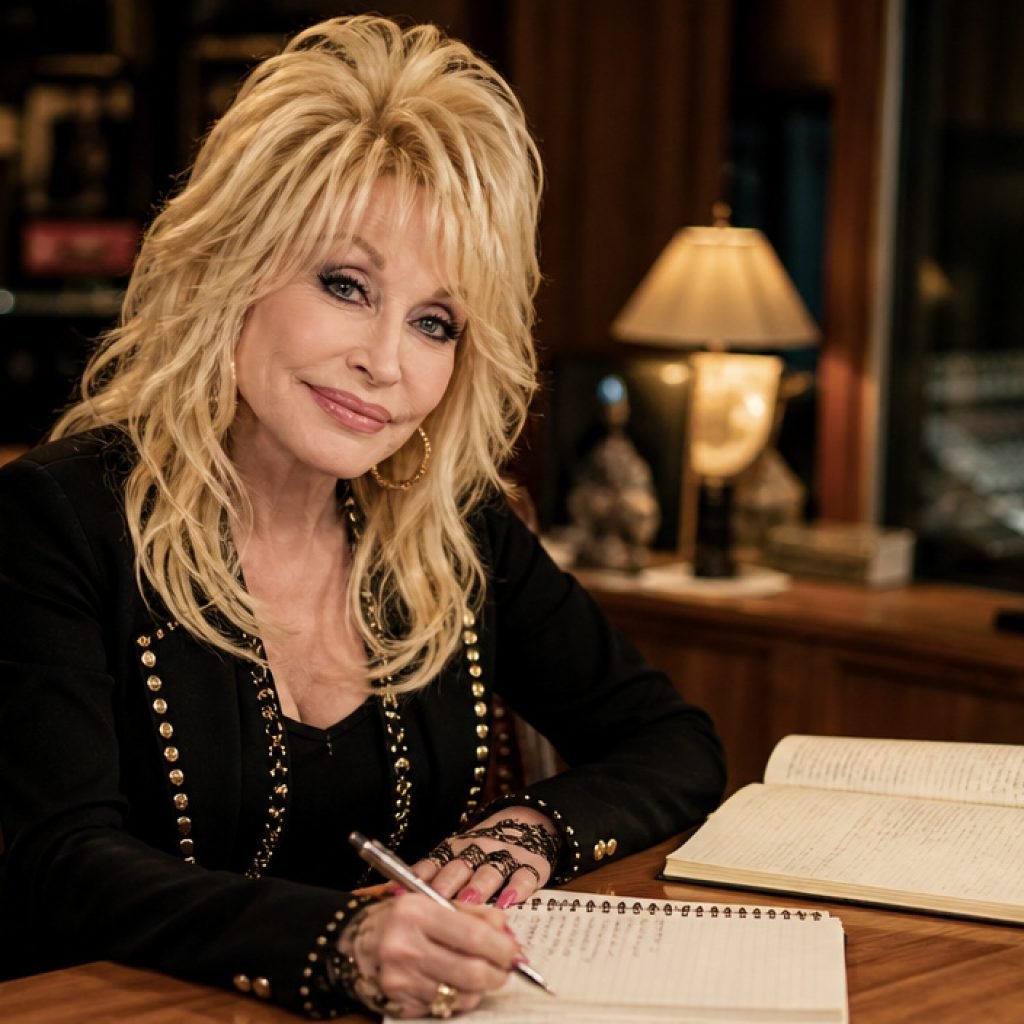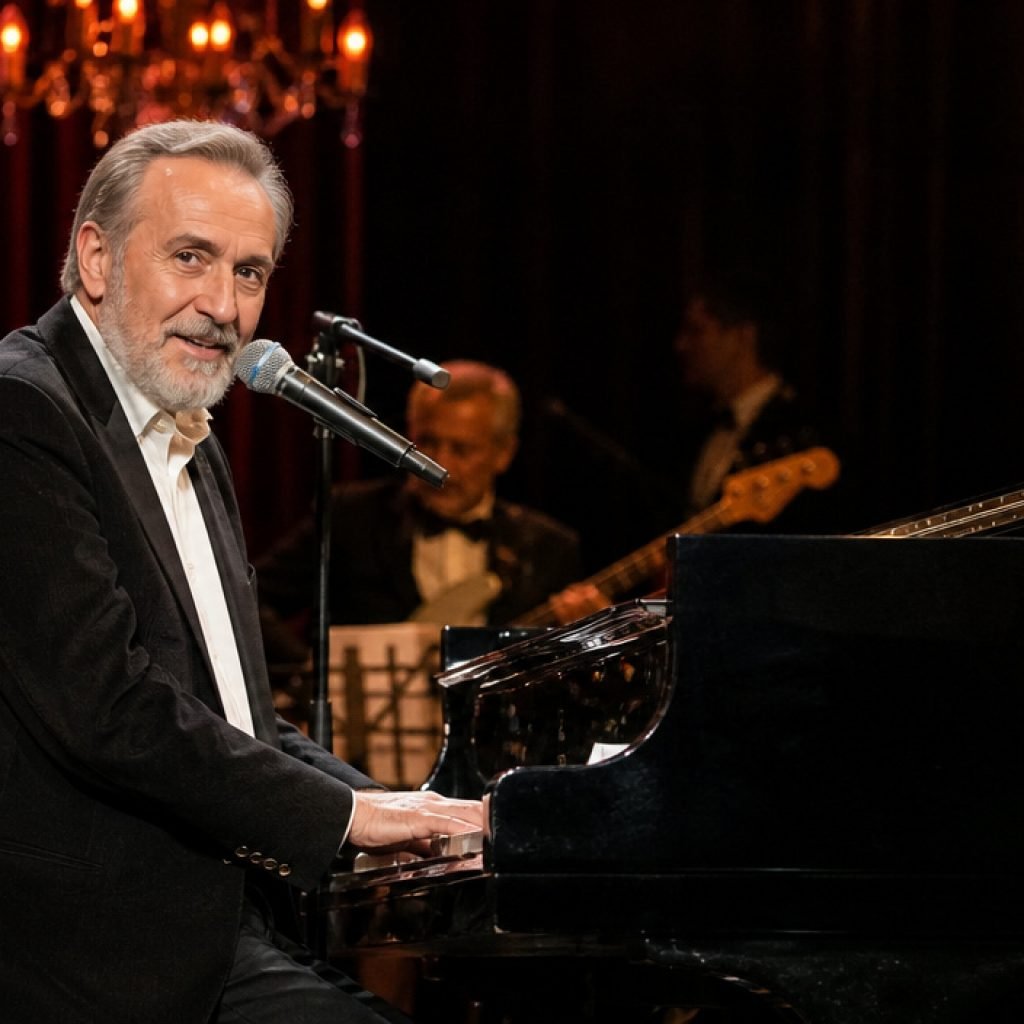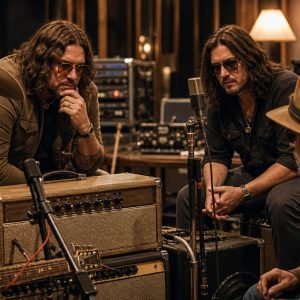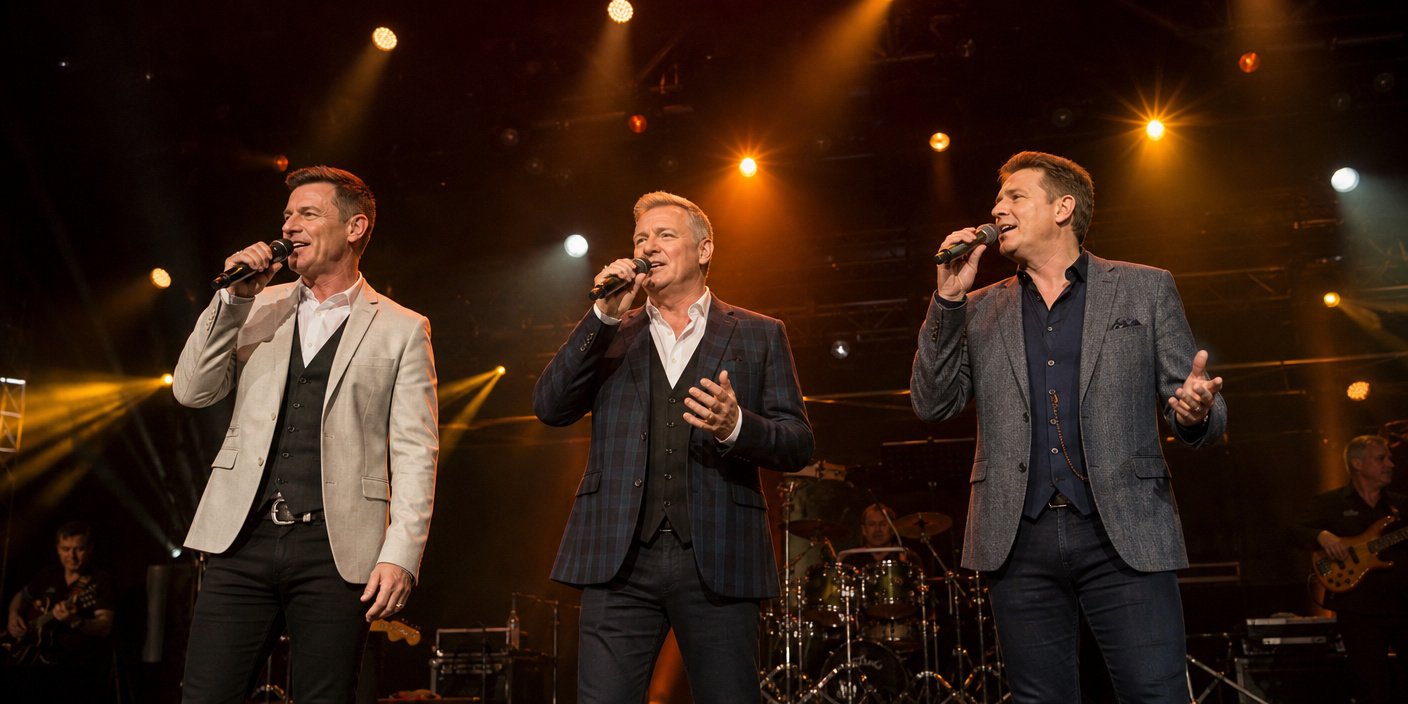
The final chapter for Ireland’s most beloved country music trio, The Three Amigos, has arrived, marking the end of a remarkable three-decade cultural presence that redefined the genre across the island. Robert Mizzell, Patrick Feeney, and Jimmy Buckley—individual powerhouses in their own right—have spent the last several weeks reflecting on the secret behind their enduring success, the complexities of maintaining a professional partnership of this magnitude, and the bittersweet transition toward their individual artistic futures. As they prepare for their final performances, the trio offers a candid glimpse into the mechanics of their synergy and the legacy they leave behind.
Key Highlights
- A Three-Decade Impact: The trio solidified their place in Irish music history by blending distinct vocal styles—Mizzell’s Americana-influenced grit, Feeney’s operatic tenor, and Buckley’s powerhouse versatility—into a singular, highly successful brand.
- The Chemistry Equation: Despite the challenges of maintaining a band for 30 years, the group attributes their longevity to mutual professional respect and a shared understanding that their collective was always greater than the sum of its parts.
- The Final Chapter: The decision to split was not born of conflict but rather a strategic alignment of personal and professional goals, allowing each artist to return to their solo endeavors with renewed focus.
- A Lasting Blueprint: Beyond the music, the ‘Three Amigos’ phenomenon serves as a masterclass in independent tour management and audience connection within the Irish entertainment industry.
A Legacy in Harmony: Closing the Curtain
The Chemistry That Defined a Generation
For thirty years, the Irish country music scene was anchored by the distinct silhouettes of Robert Mizzell, Patrick Feeney, and Jimmy Buckley. While many bands fracture under the pressure of tour fatigue and creative differences, The Three Amigos managed to sustain a high-octane performance cycle that rarely faltered. The secret, as they explain in their final retrospective, was never about mimicking each other, but rather accentuating their differences. Mizzell, bringing his rootsy, American-influenced background, provided a grounding element that paired seamlessly with Feeney’s classical training and Buckley’s natural, soaring charisma.
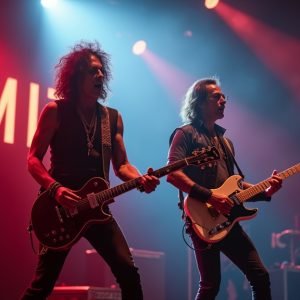
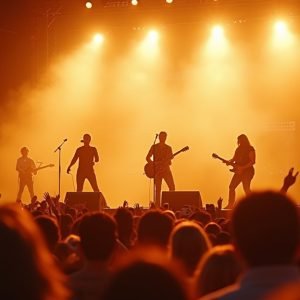
This vocal diversity was their greatest asset. It prevented the repetitive stagnation that often plagues long-running groups. When the trio hit the stage, they weren’t just playing songs; they were managing a sophisticated variety show that tapped into the nostalgia of traditional country while pushing the boundaries of contemporary Irish performance. They understood that their audience wasn’t just there for a setlist—they were there for the dynamic between the three men, a chemistry that felt unscripted and inherently genuine.
Navigating the Evolution of Irish Country
To understand the magnitude of this split, one must acknowledge the state of Irish country music throughout the 1990s and early 2000s. The Three Amigos emerged at a time when the genre was fighting for radio relevance and venue space. Through rigorous touring, they effectively created their own market. They didn’t just play venues; they built dedicated fanbases in towns and cities that were often overlooked by mainstream promoters.
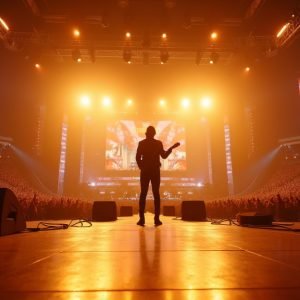
Their strategy was deceptively simple: deliver high-production value performances that prioritized crowd engagement. By the mid-2010s, they had become a permanent fixture in the cultural calendar. The challenges of maintaining this schedule were immense, involving thousands of miles of travel annually, the logistical burden of coordinating three separate management teams, and the constant pressure to innovate their show format. Yet, the trio navigated these operational hurdles by treating their collaboration as a professional entity distinct from their individual solo careers. This structural separation was critical—it allowed them to bring fresh energy to the trio because they were never entirely reliant on it for their artistic identity.
The Art of the Professional Split
There is a common perception in the music industry that a breakup implies a fallout. The Three Amigos have been deliberate in dismantling this narrative. Their exit is framed not as a conclusion to a rivalry, but as the natural evolution of an artistic partnership. With three decades behind them, each member expressed a desire to reclaim the creative autonomy that comes with a solo career.
Robert Mizzell has spoken about the ‘freedom of the singular voice,’ while Patrick Feeney and Jimmy Buckley have noted the desire to explore repertoire choices that were previously sidelined to maintain the cohesion of the trio’s setlist. This is a mature, strategic dissolution. They are leaving at a peak of relevance, ensuring that the ‘Three Amigos’ brand remains associated with success, friendship, and musical excellence rather than diminished returns. This approach sets a standard for other legacy acts: the ability to recognize the opportune moment to move on is as vital as the ability to form the band in the first place.
What Lies Beyond the Trio
As the tour dates wind down, the focus turns to the individual paths ahead. Mizzell, Feeney, and Buckley are not retiring; they are pivoting. The infrastructure they built as a collective—the management relationships, the touring networks, and the established fan trust—remains intact for their solo ventures. Fans can expect a shift in tone for all three artists.
For Mizzell, this likely means a deeper dive into the roots-country and Americana sounds that originally inspired him. Feeney, known for his incredible vocal range, has teased interest in projects that lean into crossover classical-country genres, while Buckley is expected to continue his trajectory as one of the most reliable and energetic vocalists in the Irish live circuit. The separation is a reconfiguration, not a disappearance.
Cultural Impact & Genre Preservation
Looking at the broader picture, The Three Amigos provided more than just entertainment; they were custodians of a specific era of Irish musical taste. Their work bridged the gap between the older generation of country fans and a younger demographic that appreciated high-energy performance. By upholding a high standard of production, they elevated the professional expectations for country artists working in Ireland. They proved that Irish acts could sustain a career without relying solely on international success, by cultivating a fiercely loyal domestic following. This is their true economic legacy—a proven model for long-term sustainability that future generations of musicians will undoubtedly study.
FAQ: People Also Ask
Q: Why are The Three Amigos splitting after 30 years?
A: The split is a strategic decision driven by the desire of Mizzell, Feeney, and Buckley to focus on their individual solo careers and creative autonomy. They maintain that the decision is amicable and reflects a natural transition point in their respective lives.
Q: Will there be a reunion tour in the future?
A: While the trio has not definitively ruled out one-off appearances, they are positioning this as their final concerted effort as a trio. Their focus is on closing this chapter with a professional and meaningful final run of shows.
Q: Did the band experience internal conflict during their final years?
A: All evidence from their recent interviews suggests the opposite. The band emphasizes that their longevity was built on mutual respect and distinct professional boundaries, and they are parting ways on the best of terms.
Q: How has the band influenced the Irish country music industry?
A: The Three Amigos were instrumental in creating a ‘variety show’ model for country music that proved incredibly successful in regional venues, setting a high benchmark for production and audience engagement that remains a gold standard in the industry.