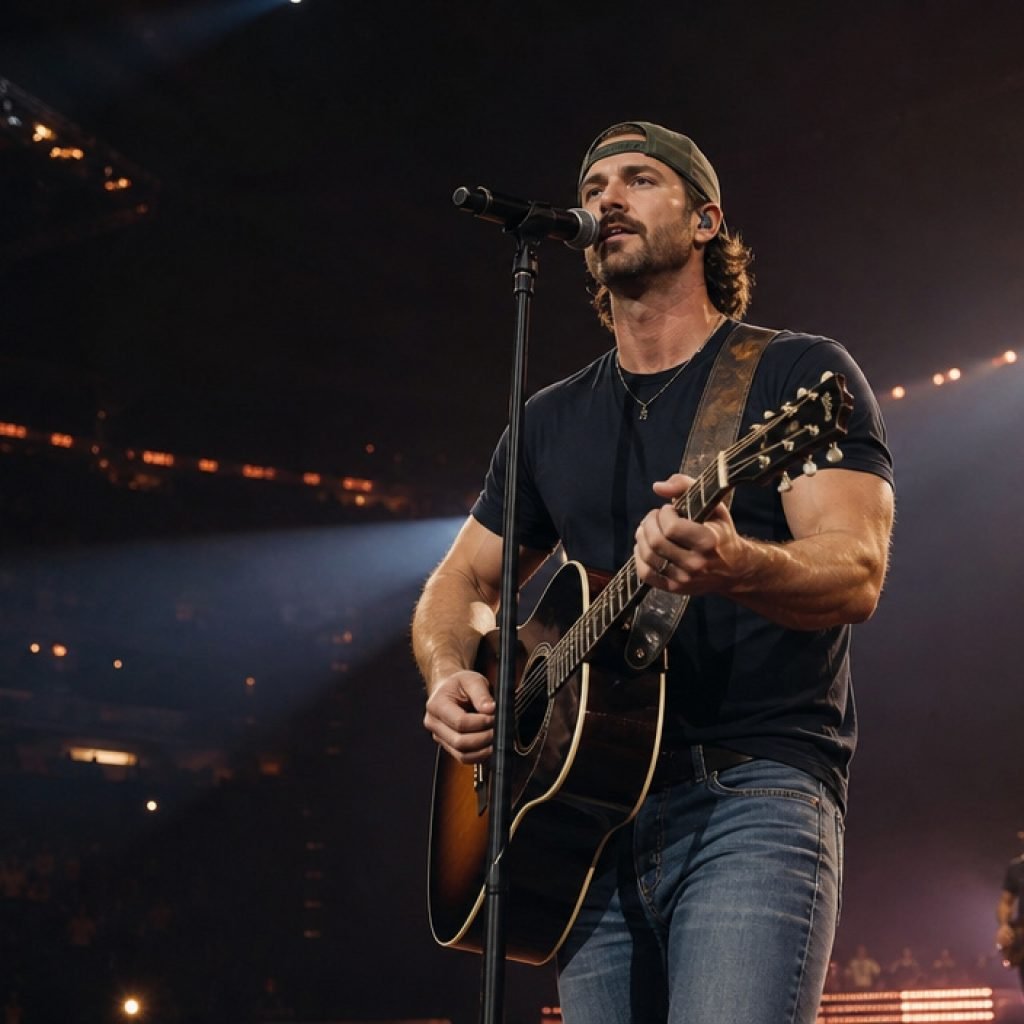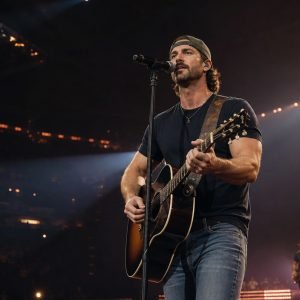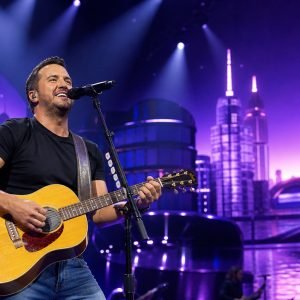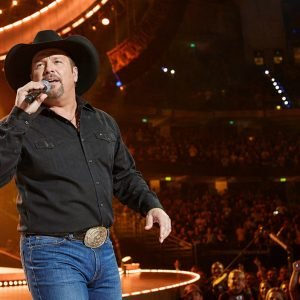
Riley Green has spent the better part of the last decade building a reputation as one of country music’s most authentic voices, bridging the gap between small-town storytelling and stadium-sized success. With his upcoming project, ‘That’s Just Me,’ Green is stripping back the production gloss that often defines the modern Nashville sound, choosing instead to focus on the grit and sincerity that defined his early career. As he transitions from a regional powerhouse to a national entertainer—marked by significant television opportunities including appearances on ‘The Voice’ and his work on ‘Marshals’—Green is proving that success doesn’t require compromising the identity that brought him to the dance.
Key Highlights
- Project Focus: Riley Green’s upcoming album, ‘That’s Just Me,’ emphasizes raw, relatable songwriting over polished commercial trends.
- TV Expansion: The artist is actively diversifying his portfolio with recent high-profile TV appearances on ‘The Voice’ and the ‘Marshals’ series.
- Evolution: Green cites a intentional shift from playing regional clubs to navigating the complex landscape of national country music stardom.
- Artistic Vision: The album serves as a thematic continuation of Green’s dedication to his roots, maintaining his signature ‘small-town’ narrative style.
The Evolution of the ‘That’s Just Me’ Sound
For Riley Green, the jump from regional touring circuits to the national stage was never about changing his sound; it was about amplifying it. In his most recent interviews, the singer has been vocal about the pressure to conform to contemporary production trends, yet ‘That’s Just Me’ acts as a direct rebuttal to that temptation. The album is being described by industry insiders as a return to the ‘back-porch’ songwriting sessions that initially put Green on the map.
Musically, ‘That’s Just Me’ explores themes of nostalgia, the complexities of blue-collar life, and the inevitable alienation that comes with rapid success. By staying close to home, Green isn’t suggesting a lack of ambition; rather, he is highlighting a commitment to his brand. In an era where many artists chase radio-friendly pop-country hooks, Green is doubling down on mid-tempo ballads and acoustic-driven arrangements that demand the listener’s attention. This is a calculated risk: moving away from the high-energy, beer-drinking anthems that earned him his initial breakout, in favor of something more contemplative and personal.
Diversifying the Portfolio: The TV Factor
It isn’t just the music that has changed. Green’s recent involvement with ‘The Voice’ and his upcoming work on ‘Marshals’ signals a broader strategic pivot. For a modern country star, the music is only one half of the ecosystem. By entering the television space, Green is tapping into new demographics that radio might not reach. This crossover strategy is becoming a blueprint for modern artists looking to secure longevity.
However, Green remains adamant that his television endeavors are extensions of his personality, not distractions from his craft. In discussions surrounding his role on ‘The Voice,’ he emphasizes the importance of mentorship and the perspective gained from seeing emerging talent navigate the same pitfalls he faced in his early regional days. Similarly, his involvement with ‘Marshals’ provides a different creative outlet, one that demands a different kind of performance—one that is scripted and visual, yet still requires the same level of emotional delivery as a three-minute song.
The Ethics of Relatability
Perhaps the most compelling narrative surrounding ‘That’s Just Me’ is Green’s obsession with ‘sincere, relatable songwriting.’ In Nashville, the concept of the ‘write’ is a highly polished industry machine, but Green has maintained a tight circle of collaborators. He views his songwriting not as a commercial product, but as a diary of his evolution from a performer in Alabama bars to a national headline act.
This commitment to sincerity creates a ‘semantic web’ of influence. By referencing his Alabama roots, his hunting and outdoor lifestyle, and his blue-collar upbringing, he creates a brand ecosystem that is remarkably difficult to replicate. Fans don’t just buy the album; they buy into the authenticity of the artist. The challenge for Green, as he moves into the next phase of his career, is maintaining that relatability while his life becomes increasingly distinct from the average listener’s reality.
Looking Ahead: The Future of Country Mainstream
As country music continues to dominate the Billboard charts, the spotlight on artists like Riley Green is brighter than ever. ‘That’s Just Me’ is not just another release; it is a barometer for where the genre is headed. Will the industry continue to push for polished, pop-infused radio hits, or is there a market correction favoring the ‘real’ country artists? Green is betting on the latter. His trajectory suggests that the future of the genre lies in those who can successfully balance national mass-market appeal with the stubborn preservation of their regional identities. If ‘That’s Just Me’ succeeds, it will likely pave the way for a wave of artists who prioritize the ‘back-porch’ feel over the studio gloss.
FAQ: People Also Ask
Q: What is the main theme of Riley Green’s upcoming album ‘That’s Just Me’?
A: The album focuses on authenticity, revisiting his roots, and documenting his personal and professional evolution from a regional performer to a national star, all while maintaining a sincere, grounded songwriting style.
Q: How are Riley Green’s television roles impacting his music career?
A: Appearances on shows like ‘The Voice’ and ‘Marshals’ allow Green to reach broader demographics outside of traditional country radio, while providing him with new platforms for creative expression and personal mentorship.
Q: Why does Riley Green emphasize ‘sincere, relatable songwriting’?
A: Green believes his connection to his fanbase is built on the reality of his lyrics. By focusing on themes from his upbringing and his transition to stardom, he maintains the trust and loyalty of his core audience despite his rising fame.
Q: Is ‘That’s Just Me’ a departure from his previous work?
A: While it continues his signature style, it represents a more introspective and focused project, moving away from high-energy radio anthems toward more personal, narrative-driven songwriting.