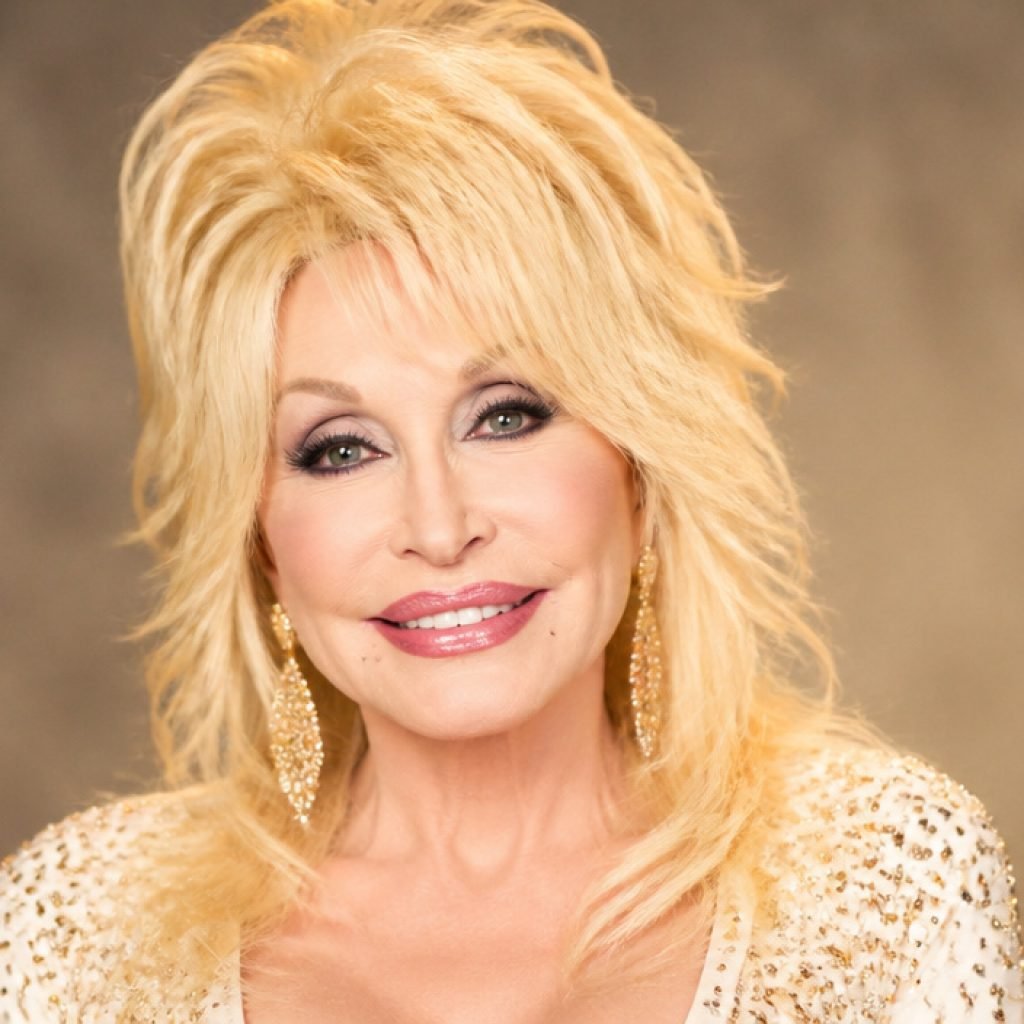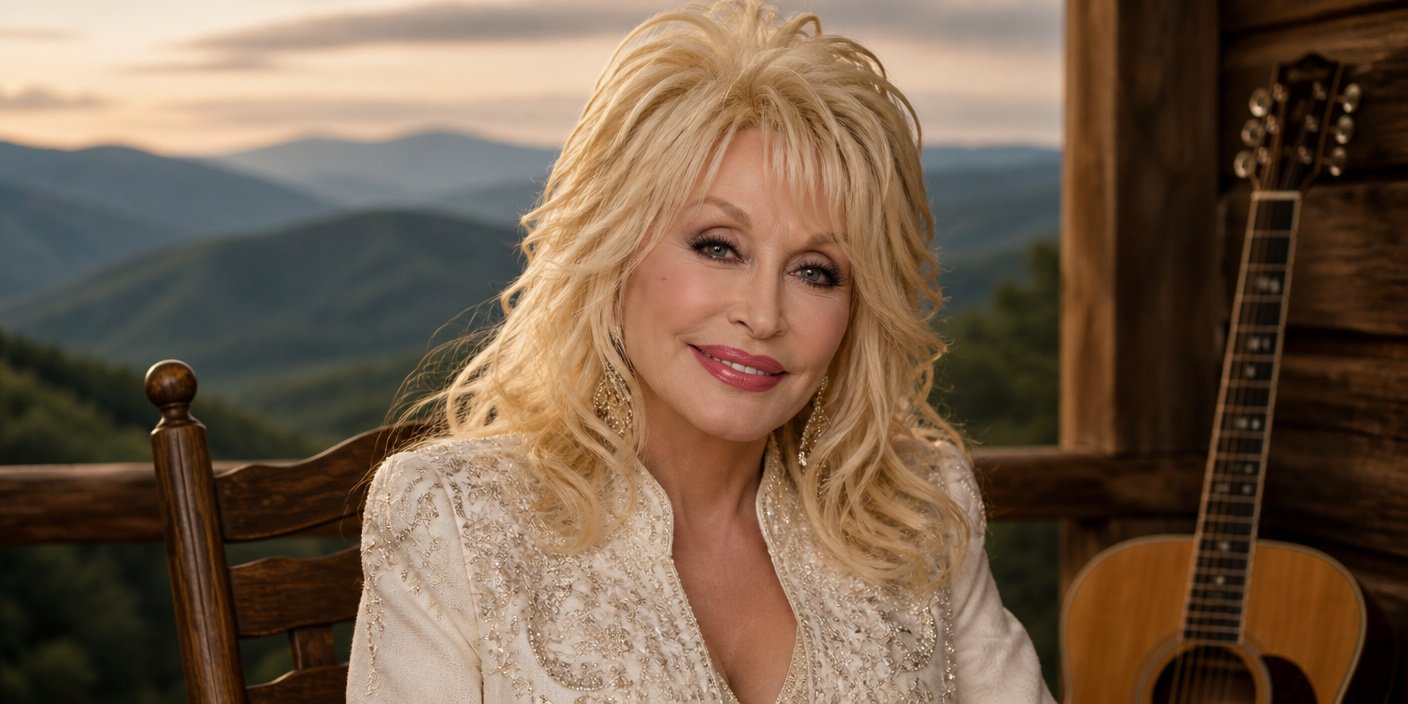
Dolly Parton, the Tennessee songbird whose golden voice, sharp wit, and philanthropic spirit defined the soul of country music for over six decades, has passed away at the age of 80. Her family confirmed that the legendary singer-songwriter died following a brief but valiant battle with cancer. Her passing marks the end of an era for the industry, leaving behind an unparalleled legacy that spans chart-topping albums, blockbuster film roles, and a humanitarian footprint that has touched millions of lives worldwide.
Key Highlights
- Unmatched Musical Catalog: Parton wrote over 3,000 songs, including the timeless classics “Jolene,” “I Will Always Love You,” and “9 to 5.”
- Philanthropic Powerhouse: Her Imagination Library has gifted over 200 million books to children worldwide, solidifying her status as a global literacy advocate.
- Cultural Impact: As a member of the Country Music Hall of Fame and a multiple Grammy Award winner, she bridged the gap between traditional country and mainstream pop, expanding the genre’s audience globally.
The Unparalleled Legacy of a Songwriting Titan
For more than half a century, the name Dolly Parton was synonymous with authenticity, resilience, and unbridled creativity. Born in the Great Smoky Mountains of Tennessee, Parton’s journey from a one-room cabin to the global stage is the quintessential American success story. Her death leaves a void that can never truly be filled, but it also invites a comprehensive reflection on the profound impact she had on the cultural landscape of the 20th and 21st centuries.
From Sevierville to Stardom
Parton’s career began in earnest when she moved to Nashville the day after her high school graduation in 1964. Within years, she was a regular on The Porter Wagoner Show, gaining national exposure that would launch her solo career. Her ability to craft narrative-driven songs set her apart from her peers. She didn’t just sing about country life; she elevated the struggles and triumphs of working-class people into high art. By the time she ventured into the pop charts, she had already secured her position as a cornerstone of the Grand Ole Opry, a title she held with pride throughout her life.
The Crossover Phenomenon and Cultural Resonance
Perhaps Parton’s most significant musical contribution was her seamless transition into mainstream pop without sacrificing her country roots. When Whitney Houston famously covered “I Will Always Love You” for the film The Bodyguard, it reintroduced Parton’s songwriting prowess to a new generation. Parton possessed a rare ability to understand the emotional core of a listener, regardless of their background. Whether through the frantic, pleading pace of “Jolene” or the anthem-like empowerment of “9 to 5,” her work remains a masterclass in songwriting, heavily studied by the Recording Industry Association of America (RIAA) as a benchmark for lyrical success.
Dollywood and the Business of Joy
Beyond the recording studio, Parton was a shrewd businesswoman. In 1986, she transformed a local attraction into Dollywood, a theme park that became the economic engine of Pigeon Forge, Tennessee. This venture was not merely a vanity project but a testament to her commitment to her home region. Her business acumen provided the financial independence required to pursue her charitable interests on a massive scale, proving that fame could be leveraged for profound societal good.
Philanthropy as a Lifelong Mission
While her voice made her a star, her heart made her an icon. The Imagination Library, a program that sends free, age-appropriate books to children from birth to age five, is arguably her greatest achievement. By prioritizing literacy, Parton addressed systemic educational gaps with the same passion she brought to the stage. Her commitment to “giving back” was not a PR strategy but a deeply held conviction rooted in her humble beginnings, where books were a scarcity.
A New Narrative: The Intersection of Music and History
Parton’s death prompts a reconsideration of her historical context. She navigated a male-dominated industry in the 1960s and 70s with an uncompromising sense of self. She owned her image—the big hair, the flamboyant outfits, the unapologetic makeup—not as a submission to patriarchal standards, but as a reclaiming of them. She was the one holding the pen, the one managing the business, and the one dictating the narrative of her own life. Future historians will likely look to Parton not just as a country singer, but as a pivotal figure in the evolution of celebrity agency and independent branding for women in entertainment.
FAQ: People Also Ask
Q: What is the official cause of Dolly Parton’s passing?
A: Her family has confirmed that Dolly Parton passed away at the age of 80 following a brief and private battle with cancer.
Q: What will happen to the Imagination Library?
A: According to early statements from her representatives, the Imagination Library is fully endowed and will continue to operate, honoring her long-standing commitment to childhood literacy.
Q: How many songs did Dolly Parton write in her career?
A: Dolly Parton is credited with writing over 3,000 songs, many of which became definitive hits across both the country and pop music charts.