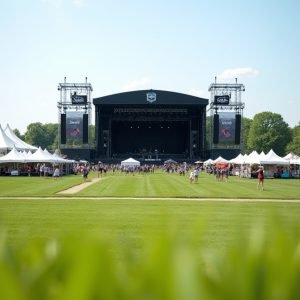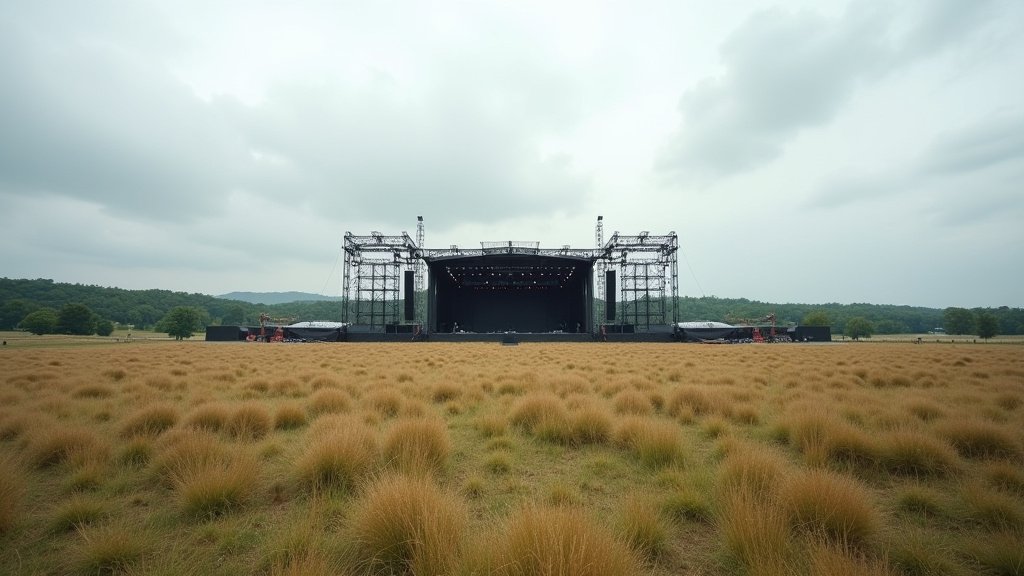
In a move that has sent shockwaves through the live music industry, the organizers of the Bonnaroo Music and Arts Festival have officially declared that the event will not take place in 2027. The festival, which has called the 700-acre Great Stage Park in Manchester, Tennessee, its home for over two decades, is taking what officials describe as a “much-needed year off.” This decision comes directly on the heels of the 2026 edition, which was significantly marred by severe, repeated thunderstorms that tested both the resilience of the grounds and the logistical capacity of the production teams.
The Lingering Impact of the 2026 Weather Crisis
The decision to cancel the 2027 installment is not merely a reaction to a single poor weekend; it is a calculated response to a recurring pattern of volatile weather. The 2026 edition of Bonnaroo served as a breaking point, where back-to-back rounds of intense precipitation left “The Farm”—the festival’s affectionately named site—in a precarious state. The heavy rain led to extensive soil erosion and significant damage to the venue’s core infrastructure.
Unlike traditional urban concert venues, Bonnaroo is entirely self-contained, requiring massive temporary roads, stage foundations, and power grids that must be built from the ground up on agricultural land. When the soil becomes oversaturated, the mechanical strain on the site’s topography increases exponentially. Organizers have cited the need to let the land “rest and recover,” acknowledging that the ecological footprint of holding consecutive high-impact events without adequate seasonal downtime has become unsustainable under current climate patterns. The primary goal of this hiatus is to rehabilitate the land, allowing the soil to stabilize and ensuring the venue remains viable for future generations of attendees.
Protecting the Infrastructure of The Farm
Beyond the environmental necessity, this pause allows for a comprehensive audit and upgrade of the festival’s permanent infrastructure. Operating a festival for over 80,000 attendees requires an engineering feat that mimics a small city. Repeated exposure to extreme weather in recent years has highlighted vulnerabilities in drainage, road integrity, and emergency access routes.
By skipping 2027, the production teams—led by long-standing partners Superfly Presents and Live Nation—are gaining the luxury of time. This window is essential for implementing deeper structural improvements that are impossible to execute while the site is under the constant stress of setup, event, and teardown cycles. Engineers and land management experts are expected to focus on long-term water management strategies, potentially including expanded drainage systems and the planting of specialized vegetation that can better withstand intense weather fluctuations. This is not just a year off for the music; it is a year of heavy construction and landscape architecture.
Economic and Community Ripples in Manchester
The absence of Bonnaroo in 2027 will create a significant vacuum in the local economy of Coffee County, Tennessee. For over twenty years, the festival has been a primary economic engine for the region, generating millions in local tax revenue and supporting thousands of seasonal jobs. Local businesses, ranging from hospitality providers in Manchester to specialized vendors across Middle Tennessee, have long integrated the festival into their annual financial planning.
While the year off is likely to result in a short-term dip in local tourism revenue, local officials have largely expressed support for the measure, recognizing that the health of the festival is intrinsically linked to the health of the region. The decision is being framed as an investment in the longevity of the partnership between the event and the community. By ensuring that “The Farm” remains operational and safe for the next two decades, organizers are effectively protecting the long-term economic future of the area.
Looking Toward 2028: The Comeback Strategy
Industry analysts are already looking toward the planned 2028 return. The hiatus, while disappointing for the dedicated fanbase, is being viewed by industry insiders as a prudent move in an era of increasing climate uncertainty. As major festivals grapple with the rising costs of insurance and the unpredictable nature of global weather patterns, Bonnaroo’s decision to prioritize infrastructure over immediate profit sets a potential new standard for festival management.
The 2028 edition will likely serve as a massive “re-launch” event. By taking this time to re-calibrate, organizers are positioning themselves to deliver a more robust, technologically advanced, and safer festival experience. The focus will not just be on returning to the status quo, but on elevating the Bonnaroo experience to match the evolving demands of both the environment and the modern concertgoer. Fans can expect that when the gates finally reopen, the improvements made during this hiatus will be evident in everything from improved site navigation to enhanced sustainability initiatives.