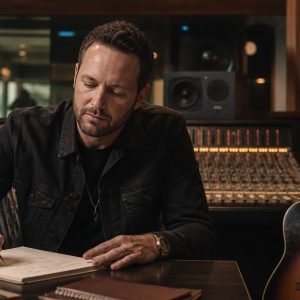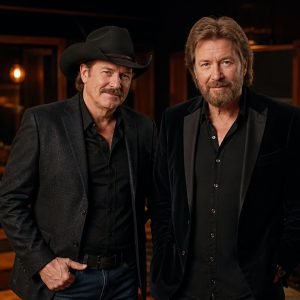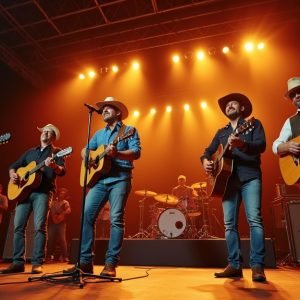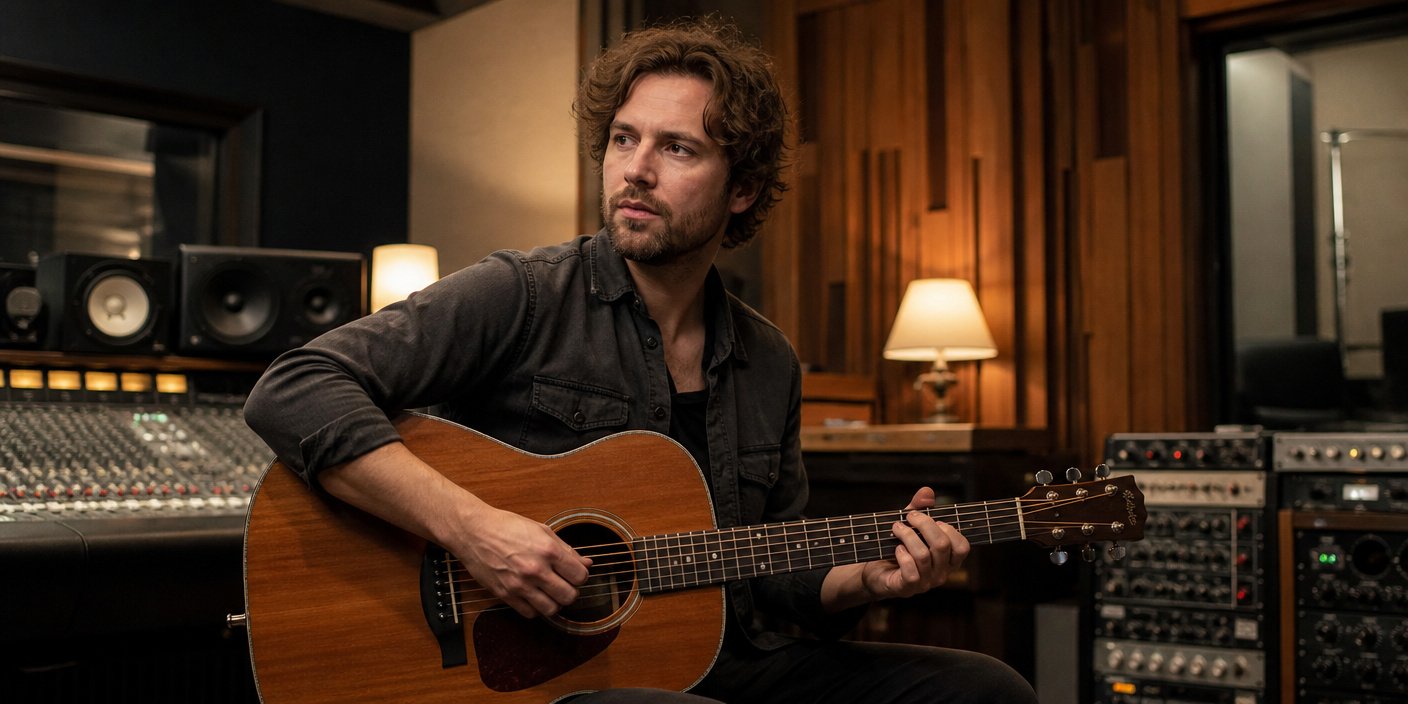
Ben Chapman, the country singer-songwriter known for his gritty, authentic sound and his latest project, Feet On Fire, has sparked a conversation about the fundamental shifts in how country stars define themselves. Appearing on the popular Whiskey Riff Raff podcast, Chapman offered a candid assessment of the disconnect between the enigmatic legends of the 1960s and 1970s and the hyper-connected nature of today’s industry, exploring whether the icons of the past could have navigated the constant, intrusive demand for digital content.
Key Highlights
- The Accessibility Paradox: Ben Chapman explores the divide between the unreachable mystique of 70s country legends and the hyper-accessible brand-building required of artists today.
- Feet On Fire Analysis: Insight into how Chapman’s latest project reflects his growth as a songwriter and his desire to maintain musical integrity in a streaming-first environment.
- Cultural Legacy: A breakdown of how social media alters the perception of artist authenticity, for better and worse.
The Podcast Insight: Chapman’s appearance on Whiskey Riff Raff* provides a unique perspective on his personal strategy for balancing digital engagement with creative artistry.
The Evolution of the Country Music Persona
The landscape of country music has undergone a seismic shift since the golden era of the 1960s and 70s—a time when an artist’s public image was carefully curated, often shrouded in a veil of carefully maintained mystery. On the Whiskey Riff Raff podcast, Ben Chapman touched on a crucial point: the nature of fame itself has been fundamentally rewritten by the advent of social media. The question is not just about whether these stars had the technical savvy to use Twitter or Instagram, but whether their personas could have survived the relentless exposure that defines success in the modern age.
The Era of Distant Icons
In the 1970s, country music icons were, by design, somewhat distant. Fans interacted with them through records, liner notes, and the occasional television appearance. This distance allowed for the cultivation of a mythic status. Artists like Waylon Jennings or Johnny Cash were viewed through the prism of their music and the stories surrounding their lives, rather than their breakfast choices or their opinions on trending TikTok hashtags. Chapman muses that for many of these figures, the demand for ‘constant connection’ might have been fundamentally incompatible with their public identity. The aura of the ‘outlaw’ or the ‘troubadour’ relied heavily on silence—a commodity that is almost entirely non-existent in today’s attention economy.
Feet On Fire: Crafting Art in a Noisy Room
Chapman’s own trajectory, solidified by the release of Feet On Fire, serves as a case study in navigating this modern reality. As he discusses on the podcast, the challenge for a modern artist is to be present and accessible to fans without losing the creative focus necessary to produce high-quality work. Feet On Fire is not merely a collection of songs; it is a statement on Chapman’s evolution as a writer who understands that while the medium has changed, the core mission of the songwriter remains the same. He balances the need for social media engagement—a requisite for reaching his audience—with a refusal to let the algorithm dictate his sonic identity.
The Double-Edged Sword of Transparency
There is an undeniable transparency to the current era that benefits rising artists, allowing them to bypass traditional gatekeepers and build a fanbase directly. However, Chapman correctly identifies the toll this takes. When the barrier between the artist’s private thoughts and their public image vanishes, the ‘character’ of the musician risks being diluted. In the 70s, an artist’s personal struggles or political viewpoints were often inferred or revealed through their lyrics; today, those things are debated in the comments section before a song is even released. This level of scrutiny would have undoubtedly altered the trajectories of the classic icons. Some, Chapman admits, would have thrived on the direct connection with their audience, using the platforms to deepen the lore. Others, however, would have likely found the pressure stifling, leading to a potential fracturing of the very ‘cool’ factor that made them legends in the first place.
Future-Proofing Country Music
For Chapman, the goal is to find a middle ground. He is an artist who leverages the tools of the modern age—streaming platforms, social media, and digital marketing—but he does so with a respect for the traditional craft. He is not looking to be an ‘influencer’ who happens to play guitar; he is a songwriter who happens to use technology to reach his audience. This distinction is vital for the health of the genre. As we look at the next generation of country stars, the lesson from Chapman and his analysis of the past is clear: platforms change, and delivery mechanisms evolve, but the audience’s hunger for genuine, unadulterated musical storytelling remains constant. Whether an artist is a 70s icon or a 2024 breakout star, the music itself must always be the anchor that holds the ship steady in the digital storm.
FAQ: People Also Ask
1. Who is Ben Chapman?
Ben Chapman is a country music artist and songwriter known for his traditional-leaning sound and authentic, narrative-driven songwriting. He has gained traction in the independent country scene with his project Feet On Fire.
2. What is the significance of the Whiskey Riff Raff podcast appearance?
It provided a platform for Chapman to discuss his songwriting philosophy and his views on how the music industry has changed, specifically regarding the impact of social media on the ‘mystique’ of country legends.
3. What is the central thesis of Chapman’s comments on 70s stars?
Chapman suggests that while some 70s stars would have adapted well to social media due to their personality, others relied on a carefully maintained distance that would be impossible to preserve in today’s hyper-connected, social-media-driven environment.
4. Is Feet On Fire a full album?
Feet On Fire is Chapman’s recent project that showcases his maturation as an artist, focusing on deep, storytelling-heavy tracks that bridge the gap between traditional country roots and modern production styles.