Navigating the modern country music landscape has become an increasingly daunting task for listeners, as streaming algorithms often favor commercial viability over artistic authenticity. The latest curation from Whiskey Riff, featuring 40 new country songs released in August 2026, serves as a vital correction to this trend. By focusing on emerging talent and artists who have largely bypassed extensive mainstream coverage, this list provides a roadmap for enthusiasts seeking depth, storytelling, and sonic diversity in a genre that is currently experiencing a massive internal pivot toward its roots.
Key Highlights
- Genre Reclamation: The list heavily favors neo-traditional and independent artists, signaling a listener shift away from the pop-country production styles that dominated the early 2020s.
- The Discovery Gap: These 40 tracks highlight the disconnect between major label radio promotion and what audiences are actually seeking out via streaming and independent discovery.
- Artistic Longevity: Several featured artists are utilizing DIY distribution models to secure financial independence, a key economic trend in the 2026 music market.
The Independent Renaissance: Why August 2026 Matters
The 40 songs highlighted this month are not merely background noise; they represent a deliberate movement within the Nashville periphery and beyond. For years, the industry narrative suggested that ‘new country’ was synonymous with stadium-sized pop choruses. However, the data from August 2026 suggests a fascinating, and perhaps inevitable, contraction. The songs curated by Whiskey Riff showcase a return to acoustic instrumentation, specific narrative songwriting, and a refusal to rely on the polished, synthetic loops that defined the mid-decade sound.
The Shift to Narrative Authenticity
One of the most striking observations regarding this batch of 40 songs is the return of the ‘story song.’ Unlike the genre-blending tracks that prioritize TikTok-friendly hooks, these artists are prioritizing the 3-minute narrative arc. This is a direct response to a weary audience. Fans are tired of the repetitive lyrical tropes—trucks, dirt roads, and beer—and are instead gravitating toward songs that explore complex human experiences, rural economic anxiety, and nuanced heartbreak. This shift is not accidental; it is a calculated artistic response to a market that has been saturated with low-effort lyrical content.
Economic Drivers of the Independent Boom
The economic landscape for these artists has changed significantly. With the proliferation of direct-to-consumer platforms and specialized DSP playlists, the barrier to entry has lowered, but the barrier to visibility has risen. Artists like those featured in this August roundup are utilizing sophisticated digital marketing tactics that mirror professional branding firms, proving that you no longer need a massive label advance to garner hundreds of thousands of streams. This economic independence allows these artists to retain their master rights, a crucial pivot point for long-term career sustainability in an industry that has historically been predatory toward its creative class.
The Sonic Evolution: Back to the Steel
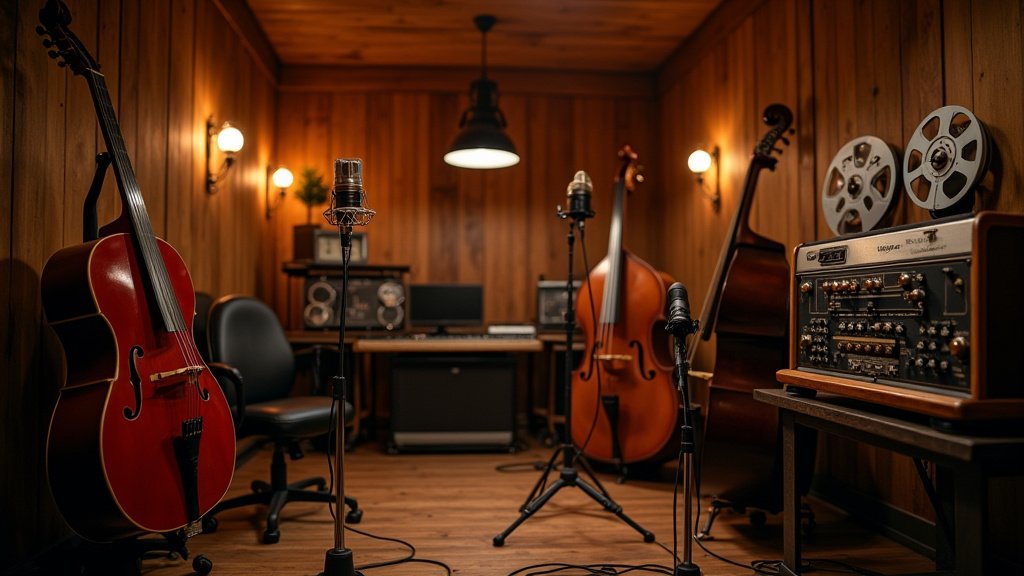
Technically, the instrumentation on these tracks is a revelation. We are seeing a resurgence of the pedal steel guitar, the fiddle, and the upright bass—instruments that were largely relegated to the background of country music for the better part of a decade. The ‘August 2026 Sound’ is defined by a warmth that only analog equipment can provide. Many of these tracks were recorded in smaller, independent studios that prioritize live tracking over grid-locked digital perfection. This choice creates a tangible, ‘breathing’ quality to the music that separates these 40 songs from the sterile, over-compressed offerings typically pushed by major radio conglomerates.
Technological Impact and the Future of Curation
How we consume this music is also evolving. The reliance on editorial curation—like the Whiskey Riff list—is becoming the primary filter for high-quality discovery. Algorithms are great for finding ‘more of the same,’ but they are notoriously bad at identifying cultural shifts. By looking at these 40 songs, we can see where the genre is going in 2027 and beyond. It is moving toward a highly fractured but intensely loyal ecosystem where niche sub-genres—such as outlaw-folk, country-soul, and western-swing fusion—have their own dedicated fanbases that dwarf the reach of generic radio hits.
FAQ: People Also Ask
Q: Why does it feel like mainstream country radio is different from these lists?
A: Mainstream radio relies on a corporate model that focuses on mass appeal and advertiser-friendly content. Independent curation, like the Whiskey Riff list, focuses on artistic merit, which often aligns more closely with what active music listeners actually want to hear.
Q: How do these artists make money without label support?
A: Many of these artists rely on touring, merchandise sales, and direct-to-fan streaming royalties. By retaining their master recordings, they capture a significantly larger percentage of every stream compared to artists signed to traditional major label contracts.
Q: Will these songs eventually make it to mainstream charts?
A: While it is difficult for non-major-label artists to break into the Top 40, we are seeing more ‘bottom-up’ success stories. Viral moments on platforms like TikTok and Instagram, combined with sustained streaming growth, are forcing mainstream players to take notice of these independent artists, often leading to distribution partnerships later in their careers.