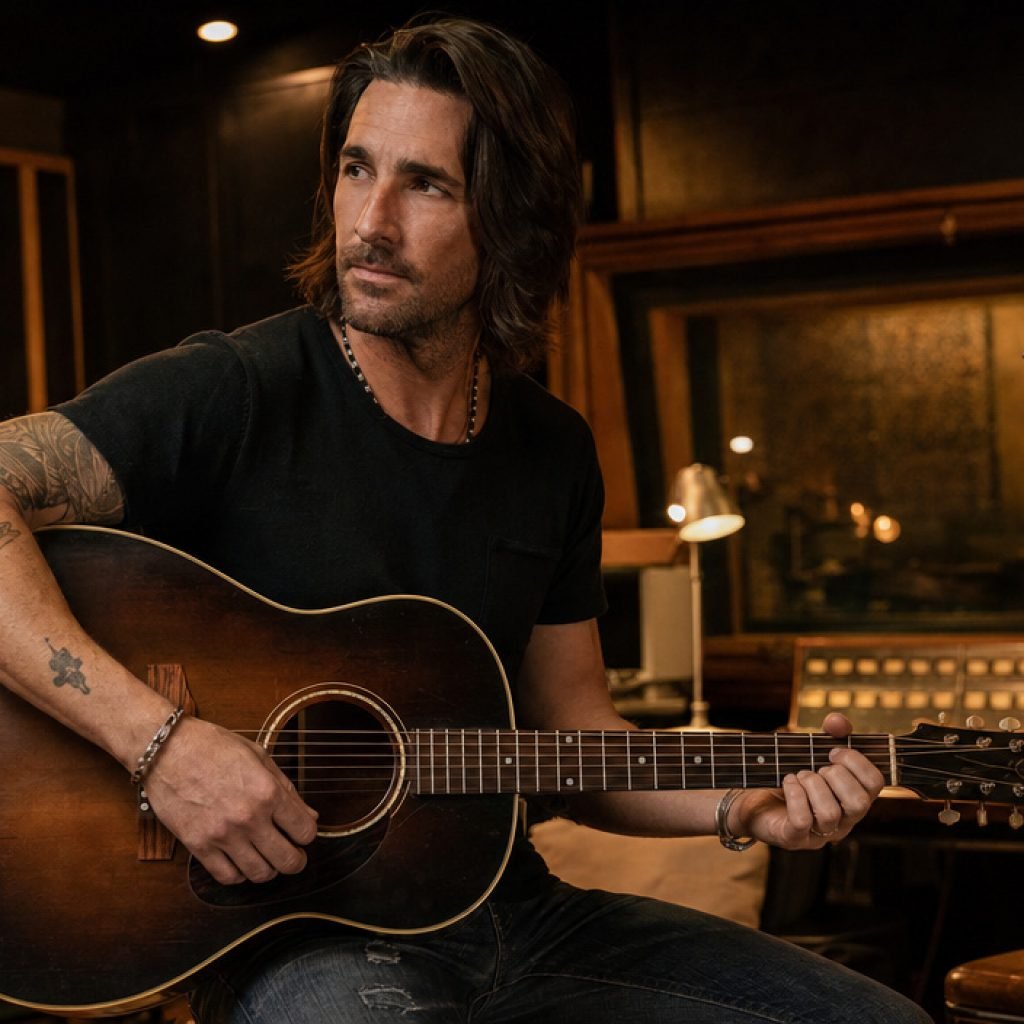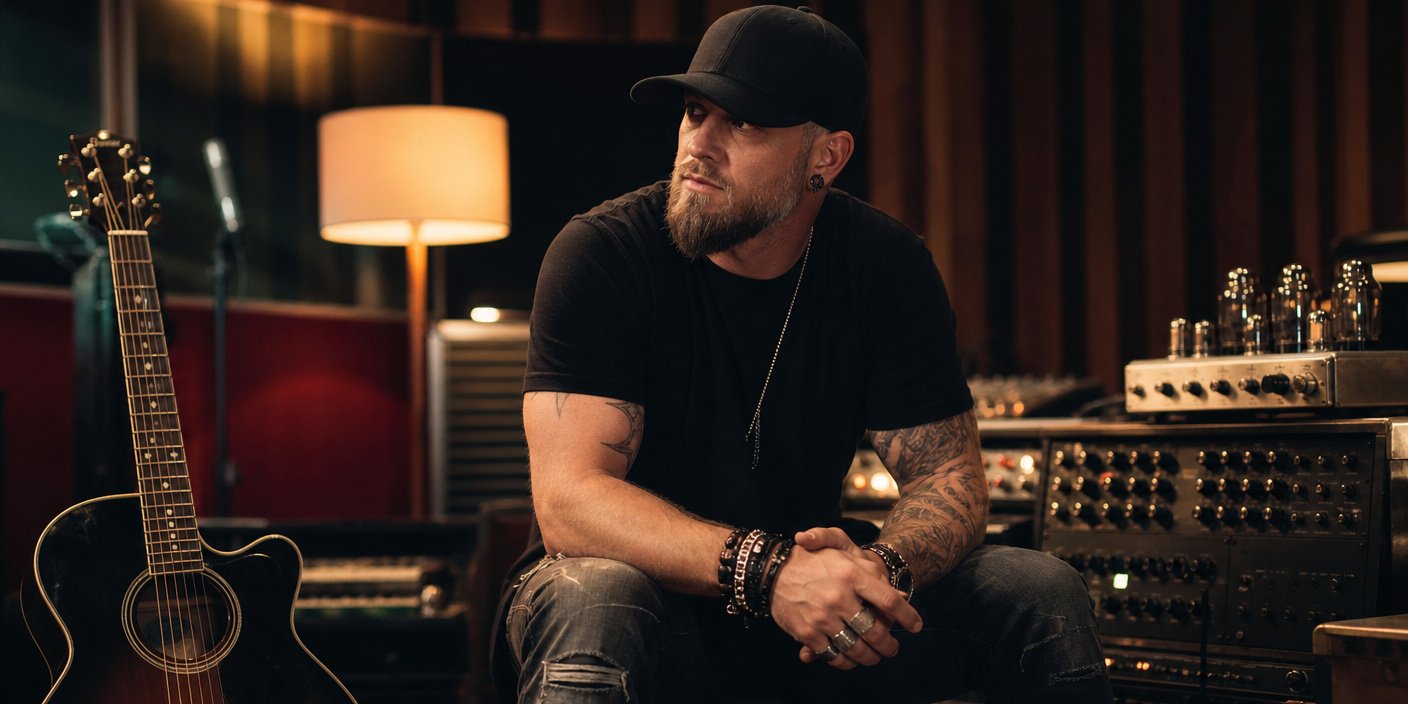
Brantley Gilbert, the country-rock titan known for his unapologetic “outlaw” aesthetic and blue-collar storytelling, has officially unveiled his latest studio album, ‘Sins of the Father,’ released today, July 24, 2026. Marking a significant turning point in his discography, the album arrives as a raw, introspective exploration of redemption, legacy, and the heavy burdens of the past—a thematic shift that aligns with the evolution of the modern country genre.
Thematic Depth: Confronting the Past
‘Sins of the Father’ arrives with a weight that distinguishes it from Gilbert’s earlier, high-octane southern rock anthems. While previous records like ‘Halfway to Heaven’ and ‘Just as I Am’ cemented his status as a radio-dominating force, this new project signals a maturation in his songwriting. Gilbert has traded some of the polished, stadium-ready bravado for a more stripped-back, grit-filled narrative style. The album serves as a conceptual reflection on generational cycles, with the title track setting a somber, acoustic-driven tone that permeates throughout the 14-track record.
Industry insiders have noted that this stylistic pivot mirrors a broader trend in 2026, where artists are increasingly prioritizing authentic, storytelling-focused lyricism over the hyper-produced sounds that dominated the mid-2020s. Gilbert’s production choices here lean heavily into organic instrumentation—warm, overdriven guitars, thumping kick drums, and subtle gospel-inflected backing vocals that emphasize the heavy emotional lifting of the lyrics. It is, by all accounts, a “legacy” album, intended to ground his artistic identity for the next decade of his career.
The ‘Begging For Change’ Phenomenon
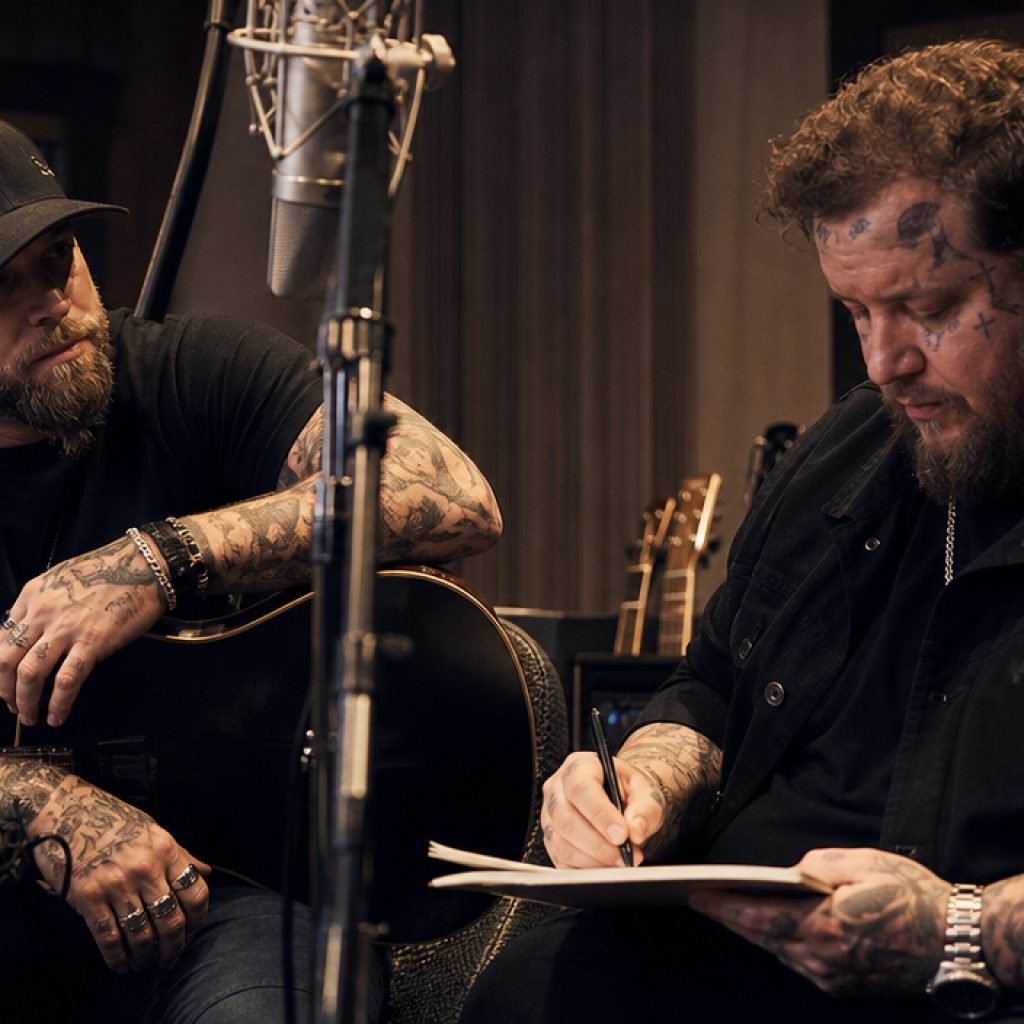
Perhaps the most anticipated element of the release is the collaboration with Jelly Roll on the track ‘Begging For Change.’ The song functions as the emotional centerpiece of the album. Jelly Roll, who has become an unavoidable cultural force in the country and crossover markets, brings a haunting, gravelly vocal texture that perfectly complements Gilbert’s deep, baritone growl.
‘Begging For Change’ addresses the struggle of trying to break free from self-destructive habits while navigating the relentless pressure of fame. The synergy between the two artists is palpable; they share a similar artistic DNA, both having built careers on narratives of pain, perseverance, and eventual redemption. The track features a building crescendo, starting with a lonely, mournful pedal steel guitar before exploding into a hard-hitting chorus that is already trending to become a chart-topper in the country-rock radio formats. Analysts expect this single to be the primary driver for the album’s streaming numbers throughout the remainder of 2026.
Production Evolution and Sonic Texture
Beyond the headline collaboration, ‘Sins of the Father’ demonstrates a sophisticated approach to studio engineering. Gilbert has clearly worked to preserve the “live” energy of his performances, a staple of his concert tours. The sonic landscape of the album is intentionally imperfect; listeners will hear the faint creak of a guitar fret or the breath before a verse, creative choices that lend a sense of immediacy to the recording. This “high-fidelity grit” represents a deliberate move away from the overly processed, digital-heavy mixing techniques that defined much of the genre five years ago.
By prioritizing dynamic range, Gilbert allows the listener to feel the shift from the quiet, melancholic verses to the explosive, cathartic bridges. This is an album designed for deep listening—not just for background radio play. The sequencing is tight, carefully guiding the audience from the high-energy rockers that fans expect, to the slower, ballad-heavy inquiries that define this new, more vulnerable chapter of his career.
Navigating the Modern Country Landscape
Brantley Gilbert’s relevance in 2026 remains tied to his ability to speak directly to the working-class experience. In an era where the divide between “pop-country” and “outlaw country” has widened, Gilbert successfully occupies the middle ground. He appeals to the purists who demand authenticity, while still maintaining the polish required to capture the modern listener. ‘Sins of the Father’ is not just a collection of songs; it is a tactical play to solidify his position as a pillar of the genre.
Historically, Gilbert’s career has been marked by a fierce independence. By releasing this project in the middle of the summer, he is capitalizing on the prime touring season, ensuring that these new tracks will be integrated into his setlists immediately. This strategic release timing serves as a launchpad for his upcoming national tour, which is expected to support this new material for the next eighteen months. The commitment to this darker, more serious tone suggests that Gilbert is less interested in repeating the commercial successes of his past and more interested in crafting a body of work that will stand the test of time.
Secondary Angles: Future Projections
1. The Influence of the “Outlaw” Renaissance: Gilbert’s pivot aligns with the 2026 revival of the Outlaw movement. By leaning into his roots, he creates a blueprint for younger artists to follow, emphasizing that longevity in country music requires consistent evolution rather than stagnation.
2. The Economic Impact of Genre Blurring: The success of the Gilbert-Jelly Roll track confirms that the boundary between Country and Southern Rock is effectively non-existent. This fluidity allows for wider radio distribution, likely increasing royalty payouts for both artists and shifting how labels approach marketing country artists to rock radio audiences.
3. The Rise of the “Confessional” Album: Similar to the trends seen in the alternative rock sphere, country stars are moving toward highly personal, biographical records. ‘Sins of the Father’ could trigger a wave of “confessional” country records as established stars realize that transparency is the most effective currency for engagement with today’s cynical, digitally-native audience.