The country music landscape continues its aggressive evolution into the final quarter of 2026, with this week’s release cycle—dated September 3, 2026—offering a diverse blend of radio-ready anthems, traditionalist storytelling, and major project teases. As streaming platforms and radio play-lists undergo rapid shifting, the strategies employed by legacy artists and modern powerhouses alike remain a critical bellwether for the genre’s broader health and commercial trajectory. With powerhouse names dominating the news cycle, this week serves as both a celebration of individual artistry and a strategic marker for Nashville’s broader Q4 ambitions.
Key Highlights
- Lee Brice and Chris Janson Lead the Charge: Both artists return with fresh singles, reinforcing their dominance in the modern country-pop hybrid space.
- Aaron Watson Stands Firm: Watson continues to champion the independent-traditionalist movement, providing a stylistic counterweight to the more polished radio releases of the week.
- Wynonna Judd’s Strategic Tease: The country icon has officially signaled the beginning of her next creative chapter, sparking speculation about a massive collaborative project in development.
- Market Resilience: Despite industry volatility, these releases signal strong engagement metrics across both DSPs and terrestrial radio, proving the enduring stickiness of country music in 2026.
The September 3th Shift: Analyzing Nashville’s Newest Creative Wave
As the country music industry marches toward the end of the year, the releases observed on September 3, 2026, serve as a fascinating microcosm of the genre’s current state. We are witnessing a divergence in production philosophy: on one hand, the polished, high-gloss production that has come to define the radio-friendly sound of the mid-2020s, and on the other, a sustained, earnest commitment to the traditionalist storytelling that initially built the foundations of country music.
The Convergence of Modern and Traditional Sounds
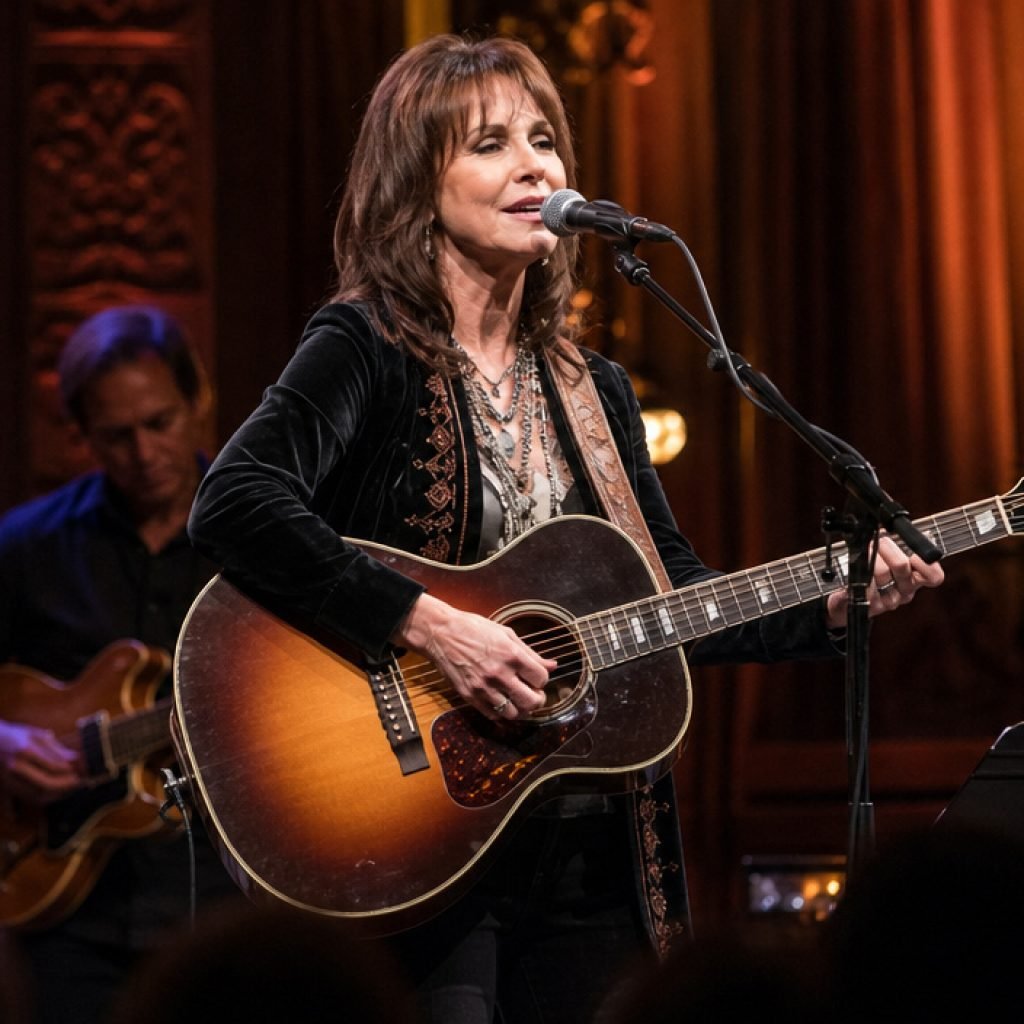
The most significant observation from this week’s drop is how artists like Lee Brice and Chris Janson are navigating the delicate balance between satisfying the expectations of modern streaming algorithms and maintaining the organic grit that defined their early careers. Lee Brice, whose penchant for emotionally resonant ballads has made him a staple on the Billboard charts, continues to refine his production. His latest single is not merely a song; it is a meticulously crafted radio product designed for maximum ‘skip-free’ engagement. By utilizing a blend of classic acoustic instrumentation layered with modern percussion, Brice effectively captures both the legacy listener and the younger, playlist-driven demographic.
Conversely, Chris Janson’s latest project showcases a distinct rhythmic exploration. In 2026, Janson has leaned further into high-tempo, energy-driven tracks. This shift is not incidental; it aligns with the broader industry trend of prioritizing ‘mood-based’ listening, where tracks are optimized for driving or workout playlists. By integrating subtle electronic textures without fully abandoning his banjo-driven roots, Janson is creating a soundscape that feels both familiar and forward-looking, ensuring his continued viability in a highly saturated market.
Aaron Watson and the Independent Fortress
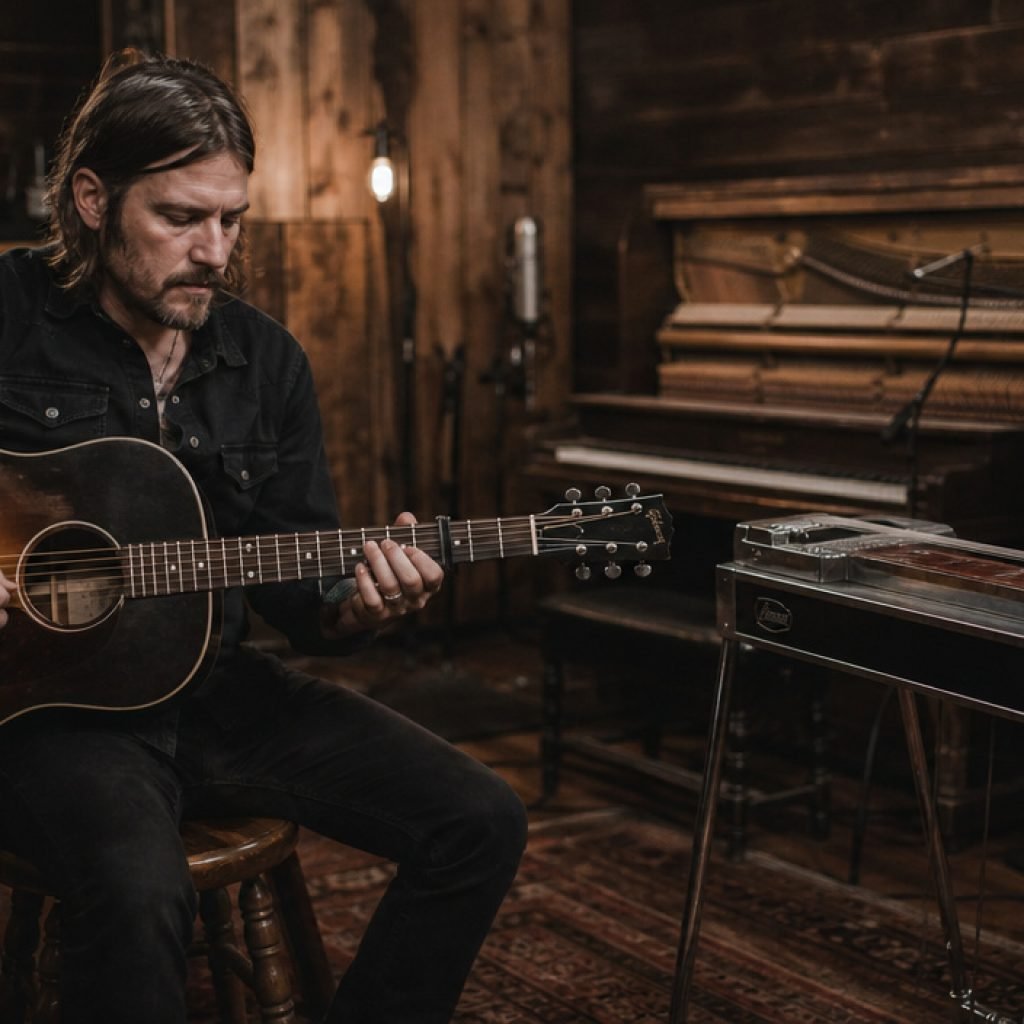
While Brice and Janson navigate the commercial radio corridors, Aaron Watson continues to serve as the industry’s foremost example of independent success. His release this week highlights a crucial secondary angle: the power of the dedicated fanbase over the power of the corporate label system. Watson has consistently utilized a ‘direct-to-consumer’ model that bypasses traditional gatekeepers, and his latest output confirms that this strategy remains immensely lucrative. For the independent artist, 2026 is a year where reach is no longer defined by radio spins, but by the strength of a digital community. Watson’s music, which eschews the glossy pop-country production in favor of a drier, more ‘live-room’ aesthetic, appeals to a segment of the audience that feels increasingly alienated by the over-production of modern country radio.
Wynonna Judd: The Power of the ‘Coming Soon’ Strategy
The announcement surrounding Wynonna Judd’s upcoming project is perhaps the most significant industry news of the week. In an era of instant gratification, where albums are often released with little to no lead time, Judd is reverting to a more traditional, high-stakes ‘hype’ model. By simply teasing the project rather than dropping it immediately, she is effectively utilizing the scarcity principle. This maneuver creates a vacuum of information that the digital echo chamber is all too happy to fill, generating significant organic search volume and social media chatter. For a legacy artist, this is a masterclass in staying relevant without having to compromise on the slow-burn creative process that defined the careers of 90s country stars.
Economic Implications: The Streaming Economy and Radio’s Role
The economic reality of September 2026 is that streaming revenue and radio impact are no longer synonymous. A track can be a smash on Spotify’s ‘Hot Country’ list while barely registering on the Mediabase radio charts, and vice versa. This week’s releases are being tracked with intense interest by label executives because they provide data on how these dual platforms are currently interacting. Are these listeners ‘passive’ (using the music as background filler) or ‘active’ (engaging with the artists and their catalogs)? The data coming in from this week’s drop will inform the promotion budgets for the remainder of the year. If the engagement metrics show that legacy artists like Judd can still move the needle on streaming platforms, we will likely see a massive influx of ‘legacy-collaboration’ projects in 2027.
FAQ: People Also Ask
Q: How do these new releases compare to the country hits of early 2026?
A: The releases from September 3rd represent a shift toward more thematic, autumn-appropriate narratives. Unlike the high-energy, ‘party-centric’ tracks that dominated the spring and early summer of 2026, the current batch leans into more mid-tempo, story-driven songwriting, which historically performs better as the weather cools.
Q: What is the significance of Wynonna Judd’s project announcement?
A: It signals a potential pivot toward legacy-artist-led ‘event’ albums. As the industry faces a surplus of short-form, disposable content, high-profile stars like Judd are betting that the audience is craving substantial, cohesive long-form projects, potentially triggering a ‘back-to-basics’ trend in major label A&R strategies.
Q: Does the success of independent artists like Aaron Watson affect label-backed artists?
A: It creates immense pressure on labels to justify their ‘value-add.’ Because Watson and similar artists demonstrate that one can achieve top-tier chart placement without a massive corporate machine, major labels are forced to pivot their services toward brand management, experiential marketing, and high-level sync licensing, rather than simply distributing recorded music.