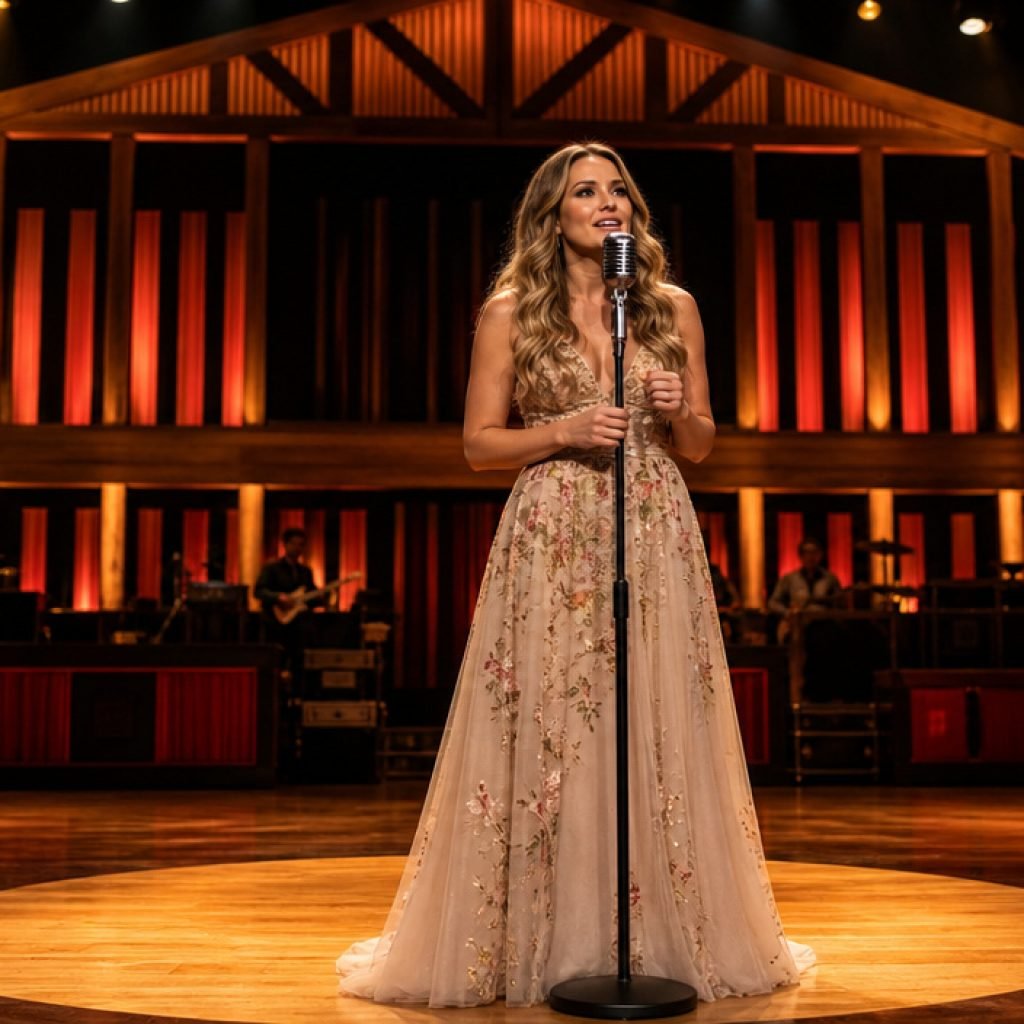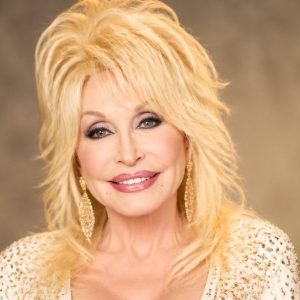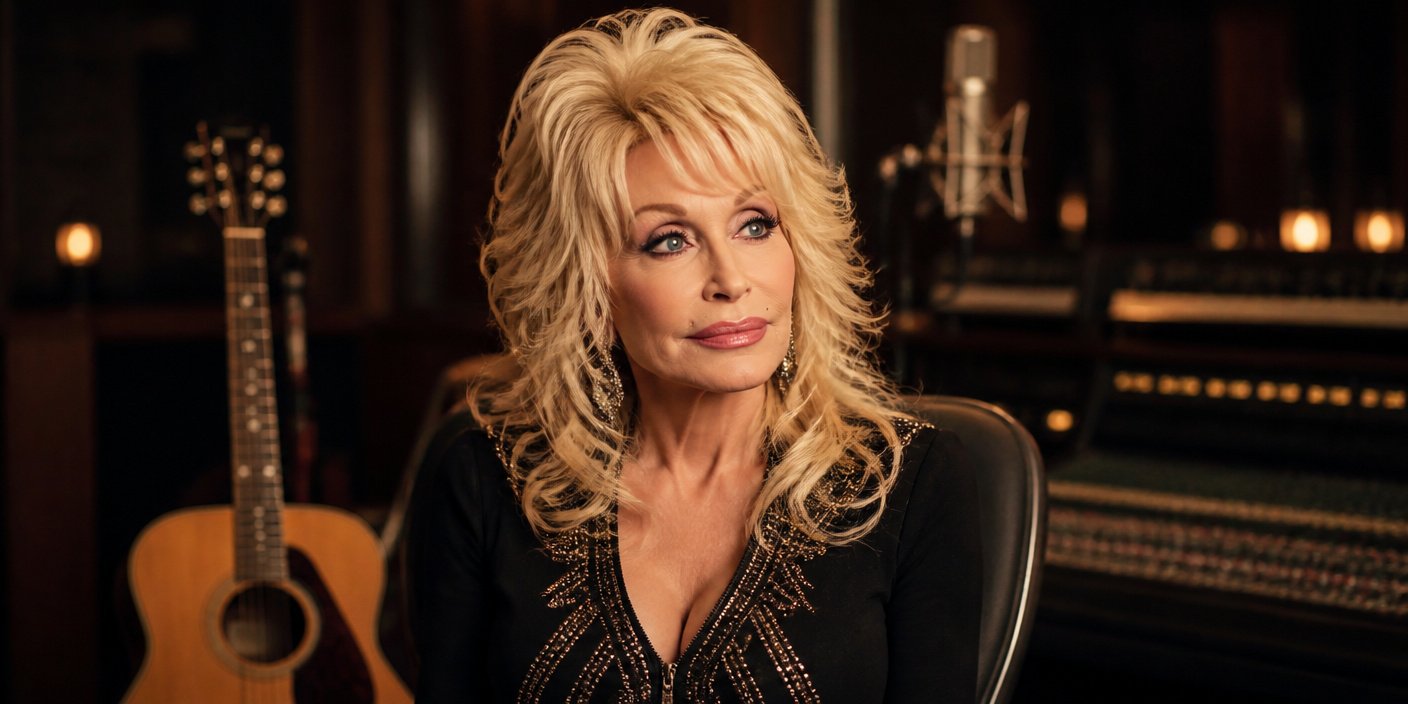
The National Rhythm & Blues Hall of Fame has officially announced that country icon Dolly Parton will be posthumously inducted as a member of the Class of 2027. This prestigious honor recognizes her extensive songwriting contributions and her profound role in bridging musical genres, noting that her influence has consistently transcended the boundaries of the country music world.
Key Highlights
- Posthumous Induction: Dolly Parton is set to be honored as a seminal member of the 2027 National Rhythm & Blues Hall of Fame class.
- Genre-Transcending Influence: The nomination underscores Parton’s unique ability to weave R&B sensibilities into her songwriting, famously influencing generations of artists across multiple genres.
- Songwriting Legacy: The committee highlighted her catalog as a primary factor in the decision, noting her impact on the evolution of modern American music.
A Legacy That Transcends Borders
The induction of Dolly Parton into the National Rhythm & Blues Hall of Fame represents a landmark moment for music history. While Parton is universally recognized as the queen of country music, this selection by the Hall of Fame committee validates what critics and historians have long observed: her compositions possess a soulful core that speaks to the human experience far beyond the twang of a pedal steel guitar. The 2027 induction is not merely about recognizing a performer; it is about acknowledging an architect of American song.
The Architecture of the Crossover
Parton’s career is defined by her songwriting prowess, an aspect of her professional life that often bridges the gap between country storytelling and R&B emotional depth. The clearest example of this cross-pollination is, of course, the song “I Will Always Love You.” While originally a country hit, its transformation by Whitney Houston into one of the most iconic R&B ballads in history serves as the strongest evidence for the Hall’s decision. This track solidified Parton’s place in the R&B canon, proving that her melodies could carry the weight of soul music and the vulnerability of rhythm and blues.
By inducting Parton, the National Rhythm & Blues Hall of Fame is acknowledging that “R&B” is not just a genre, but a feeling—a way of structuring melody and lyricism that Parton mastered early in her career. Her songs, characterized by raw emotional honesty, have been covered by countless R&B and Soul legends, effectively securing her status as a crucial figure in the development of American popular music.
Analyzing the 2027 Class Philosophy
This year’s class, anchored by Parton’s inclusion, signals a broader shift in how the music industry defines institutional recognition. The National Rhythm & Blues Hall of Fame has often championed the idea that influence is cumulative. Parton’s induction signals an acknowledgment that the “Country” and “R&B” silos are porous. Her ability to synthesize personal narrative—often rooted in the Appalachian tradition—with universal themes of love, heartbreak, and resilience resonates deeply with the core tenets of rhythm and blues history.
When we look at the specific criteria for the 2027 induction, the committee emphasized “extensive songwriting contributions.” This is a crucial distinction. It moves the focus away from the charts and onto the craft. Dolly Parton has written thousands of songs in her lifetime, and the precision with which she constructs a narrative arc remains a benchmark for songwriters in every studio from Nashville to Detroit.
Historical Impact and Institutional Recognition
Why does this matter now? The answer lies in the ongoing conversation about music history. For too long, categories like “Country” and “R&B” were treated as mutually exclusive entities, rarely interacting or intersecting. By inducting a titan like Parton, the Hall of Fame is correcting that narrative. It suggests that the history of American music is a collaborative, interconnected web rather than a series of isolated silos.
Her influence has also served as a catalyst for other country artists to embrace the melodic structures of R&B, and conversely, it has invited R&B artists to mine the deep, narrative-rich wells of the country songwriting tradition. This induction effectively validates decades of cross-genre exploration, legitimizing the creative fluidity that defines the modern musical landscape.
FAQ: People Also Ask
1. Why is Dolly Parton being inducted into the R&B Hall of Fame?
The induction honors her exceptional songwriting contributions and her ability to bridge the gap between country music and rhythm and blues, acknowledging her profound influence on the evolution of American song.
2. What is the significance of the 2027 Class?
The 2027 Class represents a conscious effort by the National Rhythm & Blues Hall of Fame to highlight artists whose work transcends traditional genre boundaries, celebrating the interconnectedness of musical styles.
3. Is this her first Hall of Fame induction?
While Parton is already a member of the Country Music Hall of Fame and the Rock & Roll Hall of Fame, this specific honor from the National Rhythm & Blues Hall of Fame is distinct for its focus on her songwriting legacy and crossover influence.
4. How does her music fit into the R&B category?
Her compositions, particularly those that explore complex themes of love and longing, have been covered and reinterpreted by countless R&B artists, most notably Whitney Houston, proving the genre-fluid adaptability of her songwriting.