The landscape of country and roots music in 2026 is already proving to be a fertile ground for innovation and heartfelt storytelling. From established legends to rising stars, artists are pushing genre boundaries while staying true to the genre’s core values of authenticity and raw emotion. This year’s releases so far offer a rich tapestry of sounds, blending traditional instrumentation with contemporary production, and exploring themes ranging from love and loss to social commentary and the enduring spirit of Americana.
Key Highlights:
- A surge in collaborations between country artists and unexpected genres like indie folk and soul.
- Emergence of powerful new female voices tackling complex lyrical narratives.
- Continued experimentation with electronic elements and synthesizers within traditional country frameworks.
- A nostalgic return to classic country sounds, reinterpreted for a modern audience.
The Sonic Palette of 2026’s Country and Roots Scene
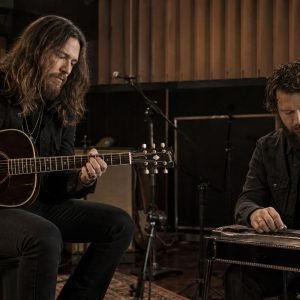
The first half of 2026 has delivered a compelling wave of country and roots albums that defy easy categorization. Artists are not just releasing music; they are crafting sonic worlds that resonate with listeners on a deeply personal level. We’re witnessing a dynamic interplay between heritage and futurism, where the twang of a steel guitar can seamlessly blend with the atmospheric pulse of a synthesizer, creating a sound that is both familiar and startlingly new. This year’s standout releases showcase a commitment to lyrical depth, with songwriters exploring the intricacies of the human experience with a renewed sense of urgency and poetic grace.
Charting New Territories: Genre Blending and Innovation
One of the most striking trends is the increasing willingness of country and roots artists to experiment with sounds from outside their traditional sphere. We’ve heard jazz-infused rhythms underpin heartfelt ballads, R&B vocal stylings elevate mournful tales of heartbreak, and even elements of hip-hop’s rhythmic sensibility weave through narrative-driven tracks. This cross-pollination isn’t about dilution; it’s about expansion. Artists like The War and Treaty, known for their powerful gospel and soul-infused country, continue to push boundaries, demonstrating how diverse influences can enrich the genre. Similarly, the burgeoning scene around Americana often embraces folk, blues, and rock elements, creating a broader tent for artists who defy simple labels. This openness to collaboration and stylistic fusion is a testament to the genre’s evolving identity, proving that roots music can be a vibrant, living entity that absorbs and transforms influences.
The Rise of Lyrical Storytellers
Beyond the sonic explorations, the lyrical content of 2026’s country and roots music stands out. A new generation of songwriters is emerging, armed with a keen observational eye and a poet’s command of language. These artists are tackling weighty themes with remarkable maturity, addressing issues of social justice, mental health, and the complexities of modern relationships. Artists such as Sierra Ferrell, with her unique blend of old-time, folk, and country, often delivers narratives that are both melancholic and hopeful. The stories told are not always grand epics; often, they are intimate, slice-of-life vignettes that capture the everyday struggles and triumphs of ordinary people. This focus on authentic, relatable storytelling is a hallmark of great country music, and it’s thriving in 2026. The narratives are unvarnished, reflecting a desire to connect with listeners on a genuine emotional level, fostering a sense of shared experience and empathy.
Nostalgia Meets Modernity: A Classic Revival
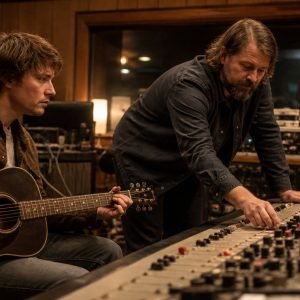
In parallel with the forward-thinking experimentation, there’s a palpable wave of nostalgia for the classic sounds of country and roots music. This isn’t merely imitation; it’s a thoughtful reinterpretation. Artists are drawing inspiration from the golden eras of country music—the outlaw country of the 70s, the honky-tonk sounds of the 50s and 60s, or the raw authenticity of early bluegrass—and infusing them with contemporary production techniques and sensibilities. This blend allows them to honor the past while creating something relevant for today’s audience. Think of artists who might incorporate vintage analog recording techniques but still achieve a crisp, modern mix. This revival is about capturing the timeless appeal of these sounds – the storytelling, the instrumentation, the emotional core – and presenting it in a way that feels fresh and immediate. It’s a testament to the enduring power of these musical traditions that they continue to inspire and resonate so strongly.
Emerging Voices and Influences
The future of country and roots music is being shaped by a diverse array of emerging artists who bring fresh perspectives and sounds. Beyond the established acts, a vibrant underground scene is brewing, fueled by online platforms and independent labels. These artists are often less constrained by traditional industry expectations, allowing them to be more adventurous in their creative output. Their influences can span a wider spectrum, incorporating elements from indie rock, global folk traditions, and electronic music. This infusion of new blood ensures that the genre remains dynamic and responsive to the cultural moment. The emphasis is often on authenticity, with many artists prioritizing live performance and organic songwriting processes. The success of these independent artists, often building dedicated fan bases through grassroots efforts, highlights a growing appetite for genuine, unfiltered musical expression.
FAQ: People Also Ask
What are the defining characteristics of modern country music?
Modern country music is characterized by its blend of traditional country instrumentation (like acoustic guitars, steel guitars, and fiddles) with contemporary production values. Lyrically, it often focuses on themes of love, heartbreak, working-class life, and patriotism, though there’s an increasing trend towards more diverse and socially conscious subject matter. Genre-bending with pop, rock, and R&B influences is also a significant feature.
How has the ‘roots music’ genre evolved?
Roots music, encompassing genres like Americana, folk, blues, and bluegrass, has evolved by incorporating broader influences and embracing modern recording techniques. While retaining its emphasis on storytelling and traditional instrumentation, it has seen an influx of artists experimenting with electronic elements, global sounds, and collaborations with artists from disparate genres, broadening its appeal and sonic palette.
Are there any major festivals dedicated to country and roots music in 2026?
Yes, numerous major festivals continue to be held in 2026, celebrating country and roots music. While specific lineups and dates vary annually, events like the CMA Music Festival, Stagecoach, Telluride Bluegrass Festival, and Newport Folk Festival remain prominent fixtures, showcasing a wide range of established and emerging artists in the genre.
What role does social media play in promoting new country and roots artists?
Social media plays a crucial role for new country and roots artists, providing a direct channel to connect with fans, promote new music and tours, and build a community. Platforms like TikTok, Instagram, and YouTube are vital for artists to share snippets of songs, behind-the-scenes content, and engage with audiences, often bypassing traditional media gatekeepers to gain visibility and traction.
How do artists balance tradition and innovation in country music?
Artists balance tradition and innovation by drawing inspiration from the genre’s historical foundations while incorporating contemporary sounds, instruments, and lyrical themes. This often involves a conscious effort to honor the storytelling and emotional core of classic country music while utilizing modern production techniques, exploring diverse influences, and addressing relevant social issues to keep the genre fresh and engaging for new generations.