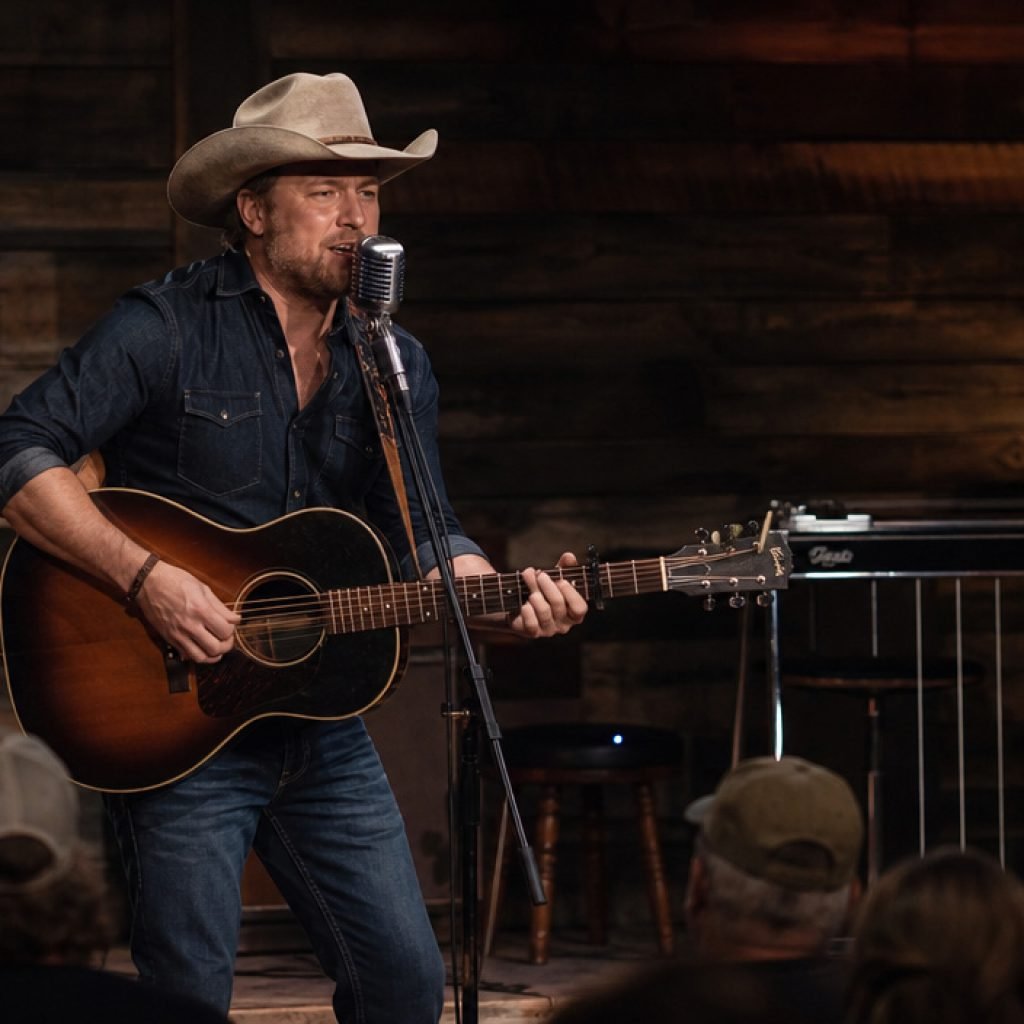
The landscape of contemporary country music is undergoing a tectonic shift, moving away from the static, traditionalist structures that dominated the industry for decades toward a more fluid, genre-agnostic paradigm. This evolution is perfectly encapsulated in our latest review roundup, Volume 2, Number 32. As artists actively dismantle the barriers between Americana, soul, and operatic influence, the sonic tapestry of the genre is becoming increasingly complex. In this analysis, we dissect three pivotal releases that are not only defining the current season but are actively rewriting the rules of engagement for country musicians on the global stage. Whether it is the bold, introspective pivot in Orville Peck’s latest output, the high-brow intersection of bluegrass and operatic soprano, or the raw, soulful delivery of The War and Treaty, these artists represent the vanguard of a necessary, and highly welcome, sonic revolution.
Key Highlights
- Orville Peck’s ‘Mule’ Reimagining: The masked crooner pivots from his established sound, embracing a darker, more narrative-driven lyrical approach that challenges his own status quo.
- The Fleming-Fleck Paradigm: Renée Fleming and Béla Fleck prove that the intersection of classical opera and master-class banjo is not only viable but essential for modern musical innovation.
- The War and Treaty’s Soul Revitalization: The duo continues to push the boundaries of ‘soul-country,’ injecting a necessary dose of vocal intensity and raw human emotion back into the mainstream charts.
Beyond the Stetsons: The Evolution of Modern Country Narrative
As the country music industry continues to widen its definition of what constitutes a ‘hit,’ we are witnessing a divergence in creative strategy. For years, the industry relied on standardized song structures and predictable thematic elements—the heartbreak, the truck, the dirt road. However, the current cohort of experimentalists is trading these tropes for avant-garde arrangements and deeper, often obscure, storytelling techniques. This transition is not merely an aesthetic choice; it is a critical response to a global audience that now demands vulnerability and cross-pollination of genres.
Orville Peck’s Sonic Pivot in ‘Mule’
Orville Peck has long existed on the periphery of the country genre, often defined as much by his visual aesthetic—the signature fringed mask—as by his velvety baritone. With his latest release, Mule, Peck executes a calculated departure from the established narrative. Where previous albums sought to anchor the listener in a reimagined Wild West, Mule feels decidedly more internal.
Musically, the production on Mule strips back the lush, cinematic reverb that characterized his breakout success. Instead, the listener is met with dry, intimate guitar tones and percussion that feels closer to a heartbeat than a drum machine. Lyrically, Peck explores the concept of the ‘beast of burden’—a metaphor for the weight of celebrity and the isolation that comes with maintaining a masked persona. This is not the Orville Peck of the honky-tonk; this is the Orville Peck of the midnight drive, reflecting on the miles traveled and the identity discarded along the way. Critics have noted that this shift risks alienating purists, but in doing so, Peck is securing a legacy that transcends the country label. He is creating a space where the feeling of the music—the melancholy, the longing—is more important than the instrumentation.
Operatic Crossover: The Fleming & Fleck Synthesis
Perhaps the most daring entry in this week’s roundup is the collaboration between opera legend Renée Fleming and banjo virtuoso Béla Fleck. On the surface, the pairing appears incongruous: the grandeur of the Metropolitan Opera stage meets the intricate, lightning-fast picking of the foremost banjo player in the world. Yet, the resulting project is a masterclass in textural synergy.
Fleming brings a controlled, sweeping dynamic range that forces Fleck to adapt his playing style, moving away from traditional bluegrass rolls toward atmospheric, melodic accompaniment. The synergy here challenges the listeners’ perceptions of high-art versus folk music. By blending Fleming’s operatic phrasing with Fleck’s rhythmic complexity, the duo exposes the shared roots of both genres—primarily, the commitment to storytelling through technical excellence. This collaboration serves as an economic and cultural bellwether: the mainstream audience is becoming increasingly sophisticated, willing to follow artists into high-concept territory that bridges the gap between disparate musical worlds.
The War and Treaty: Vocal Resonance and Raw Power
While Peck and Fleming/Fleck offer conceptual shifts, The War and Treaty provide the soulful anchor that the modern country scene desperately needs. Their latest material is less about genre-bending and more about genre-integration. They do not treat ‘soul’ and ‘country’ as separate houses; they burn the walls down between them.
The duo’s vocal interplay is the definitive highlight of their recent output. Michael and Tanya Trotter utilize call-and-response techniques that feel rooted in the gospel tradition, yet the subject matter is firmly planted in the contemporary struggle of the working class. Their ability to inject raw, unvarnished emotion into standard 4/4 time signatures gives their music an urgency that is often missing from polished radio hits. For industry analysts, The War and Treaty represent the ‘future-past’ of country—a return to the roots of the genre, where vocal authenticity was the primary currency, combined with a modern production sensibility that ensures the sound remains relevant in a digital-first ecosystem.
Secondary Angles: Future Implications for the Genre
When we look at these three distinct projects, we can identify three primary secondary angles impacting the industry at large:
1. The Death of the ‘Gatekeeper’: The success of these projects suggests that the traditional radio gatekeepers are losing their stranglehold on what constitutes a successful ‘country’ song. Digital streaming platforms have empowered niche artists to find global audiences without needing to pass the ‘country radio’ litmus test, allowing for the experimentation seen in Peck and Fleming’s work.
2. The Economic Shift to Premium Listening: As listeners shift towards high-fidelity streaming, the demand for complex, layered production—the kind found in the Fleming and Fleck collaboration—is rising. Listeners are incentivized to engage with music that rewards repeated listening, rather than just the ‘passive background’ pop-country that has defined the last decade of radio.
3. Narrative as Currency: Orville Peck’s pivot demonstrates that celebrity is no longer about visibility, but about narrative depth. Fans are investing in the ‘universe’ of the artist. By moving to a more intimate narrative style, Peck is deepening the fan-artist contract, ensuring longevity in an attention-starved economy.
FAQ: People Also Ask
Q: Is Orville Peck still considered a country artist after the release of ‘Mule’?
A: While Mule marks a distinct departure in sonic narrative, Peck remains firmly within the stylistic orbit of country music, albeit on its avant-garde edge. He continues to utilize country-centric instrumentation, though he is clearly prioritizing artistic evolution over adherence to traditional genre constraints.
Q: What makes the collaboration between Renée Fleming and Béla Fleck significant?
A: This collaboration is significant because it challenges the elitism often associated with classical music and the regionalism often associated with bluegrass. It serves as a case study in how technical mastery from different disciplines can create a new, cohesive sonic language, proving that genre boundaries are largely artificial.
Q: How are The War and Treaty changing the industry standard for vocal performances?
A: They are reviving the ‘call-and-response’ and gospel-influenced vocal intensity that defined early American country and soul. By prioritizing vocal power and raw emotional honesty over studio-processed perfection, they are forcing other artists to compete on the basis of genuine talent rather than production polish.
Q: Will these genre-bending trends impact country radio programming in the coming year?
A: Industry indicators suggest that while major-market radio may be slow to adapt, the sheer volume of streaming data supporting genre-blending artists is becoming impossible for major labels to ignore. Expect to see ‘crossover’ sounds appearing more frequently in country playlists as label executives chase the metrics established by these trailblazing acts.