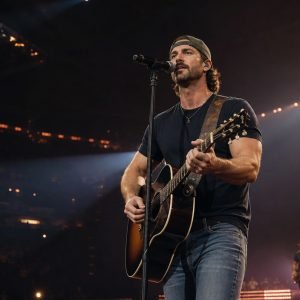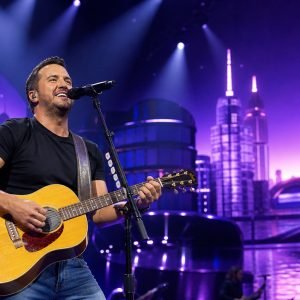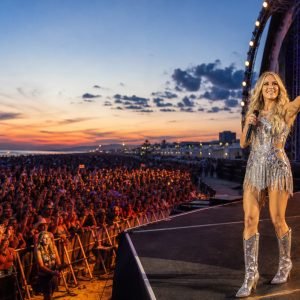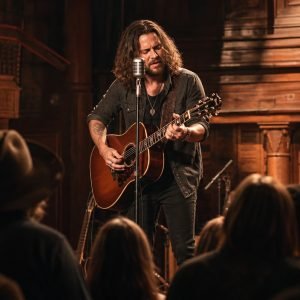
The landscape of contemporary country music underwent a significant shift between September 18 and 19, 2026, as a convergence of established stars and rising talent flooded the market with new material. This 48-hour window has served as a masterclass in modern promotional strategy, balancing the viral potential of individual song releases with the long-form authority of studio album announcements. From the alt-country authenticity of Morgan Wade to the rugged, red-dirt-inspired sound of Gavin Adcock, the genre is currently experiencing a period of intense creative output that is reshaping the streaming charts.
Key Highlights
- Multi-Artist Release Wave: A diverse cohort of artists, including Morgan Wade, Gavin Adcock, Brandy Clark, and Wyatt McCubbin, dropped highly anticipated singles, diversifying the week’s sonic palette.
- Strategic Album Moves: Dylan Marlowe has officially stepped into the spotlight with a major album announcement, signaling his transition from a rising artist to a mainstream contender.
- Riley Green’s Studio Milestone: The release of Riley Green’s latest studio album solidifies his standing as one of the most prolific and consistent touring forces in the country music industry.
The Pulse of the Nashville Market: Analysis of the September 18-19 Release Cycle
The dual-day window of September 18-19, 2026, will likely be remembered by industry analysts as a turning point in how artists manage the tension between single-track virality and full-length project commitment. In an era dominated by algorithmic discoverability and playlist-based consumption, the simultaneous release of tracks like Morgan Wade’s “Old History” and Gavin Adcock’s “Rockstar Life” highlights two distinct pathways to success. Wade continues to lean into the introspective, lyrical depth that has earned her critical acclaim, while Adcock’s release taps into the raw, guitar-driven energy that currently powers the resurgence of the outlaw-adjacent movement.
The Art of the Single: Wade, Clark, and McCubbin
Morgan Wade’s “Old History” arrives at a pivotal moment in her career, offering a bridge between her early indie successes and her current mainstream ascent. Critics have noted the track’s polished production, which retains the raw, confessional nature that originally endeared her to a grassroots fanbase. Similarly, Brandy Clark—a titan of the Nashville songwriting community—has delivered “American Roots.” This track functions as a reminder of the craftsmanship that defines the genre, reinforcing the importance of narrative-driven songwriting in an era that often favors production over substance.
Wyatt McCubbin’s “I Love You” serves as a poignant counterpoint to the more aggressive sounds currently charting. By focusing on classic themes with a modern sonic sheen, McCubbin is effectively carving out a space for the traditionalist demographic that remains a core pillar of country music’s loyal audience. Collectively, these tracks illustrate a broader industry trend: the diversification of the “country” label to encompass a wider spectrum of regional, alt, and pop-influenced sounds.
Album Momentum: The Marlowe and Green Strategy
While singles drive daily engagement, album projects remain the currency of career longevity. Dylan Marlowe’s recent announcement regarding his upcoming studio project is a calculated move to capitalize on his growing digital presence. By formalizing an album rollout, Marlowe is signaling to the industry that he is ready to move beyond viral clips and into the realm of sustained, project-based artistry.
Riley Green’s latest studio album, dropping amidst this noise, serves as the anchor for the week. Green has mastered the balance of traditional country storytelling with a contemporary, arena-ready sound. His ability to release full-length projects that maintain high streaming velocity is a case study for new artists looking to build a sustainable career. His success underscores the economic viability of the traditional album release cycle, even when individual tracks are being consumed in isolation on DSPs (Digital Service Providers).
Secondary Angles: The Future of the Industry
To understand the full scope of these developments, we must look beyond the music itself. First, the tension between the “streaming single” and the “full album” is arguably at its peak. Artists are increasingly using the data gathered from single releases to inform the thematic direction of their full-length albums, a feedback loop that was non-existent in the pre-streaming era. Second, the geographical influence of Nashville is expanding; while the city remains the hub, the success of artists like Adcock demonstrates that “country” is now a global sound, heavily influenced by regional scenes across the United States. Finally, the economic impact of this release cycle is significant. A week that includes multiple high-profile releases creates a “water cooler” effect that drives subscriber engagement on major platforms, benefiting not just the individual artists but the ecosystem of the Country Music Association (CMA) and the labels that support them.
FAQ: People Also Ask
Q: What is the significance of the September 18-19 release window?
A: This window represented a concentrated effort by several artists to capitalize on mid-quarter momentum, providing fans with a variety of new music ranging from raw, traditional sounds to modern anthems, effectively dominating the weekly streaming news cycle.
Q: How do artists like Dylan Marlowe use album announcements to grow their careers?
A: Announcing a full-length album allows an artist to transition from sporadic single releases to a cohesive project. This helps in building a narrative, securing higher-tier media coverage, and creating a unified marketing campaign that can sustain interest for months rather than days.
Q: Why are artists like Morgan Wade and Brandy Clark crucial to the current country music evolution?
A: Both artists prioritize high-level songwriting and emotional vulnerability. Their success proves that there is a massive, underserved audience for “intelligent” country music that prioritizes lyrical depth and artistic authenticity over pop-country commercial trends.
Q: Is the full-length album dying in the age of streaming?
A: Not necessarily. While the single is the primary unit of consumption, the full-length album remains essential for establishing an artist’s identity, allowing for deeper engagement with fans, and serving as the primary vehicle for touring and merch revenue.