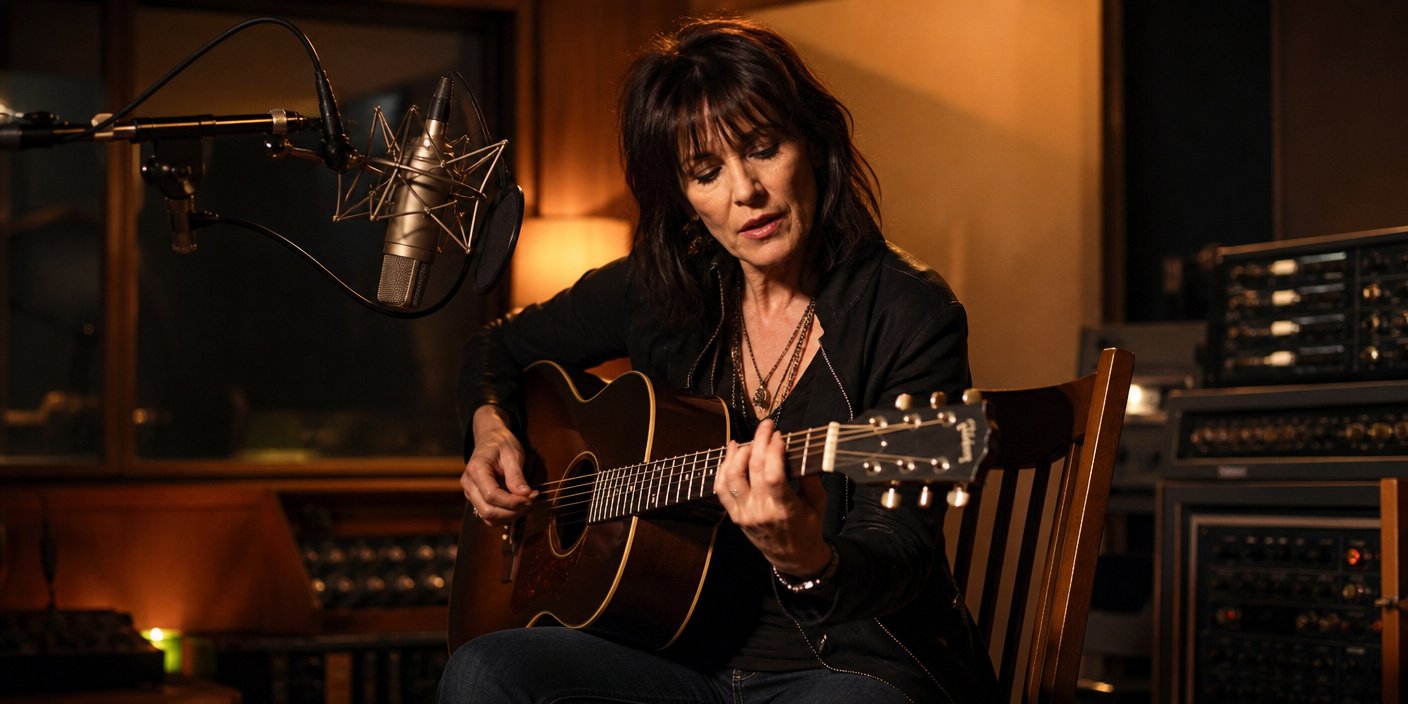
Sue Ray has long been regarded as one of Australia’s most authentic storytellers, a musician who refuses to color within the lines of genre. Born in Toowoomba and forged in the competitive fires of the independent music scene, Ray has built a career defined by its brutal honesty, rhythmic grit, and an unwavering commitment to the narrative power of the song. In this candid discussion, Ray reflects on the trajectory of her lifetime in music, examining how her early years in Queensland shaped her sonic palette and how she continues to redefine the boundaries between country, blues, and soul in her latest works.
Key Highlights:
- Ray identifies her Toowoomba roots as the foundational element of her songwriting, providing a backdrop of space and stillness that informs her melancholic lyricism.
- She describes her current creative era as a move toward greater sonic stripping-back, prioritizing raw vocal emotion over excessive studio production.
- The artist discusses the unique challenges of remaining an independent musician in a post-digital music economy, emphasizing the importance of creative autonomy.
- Ray provides insight into her collaborative process, highlighting how years of touring have turned her live performances into the ultimate testing ground for new material.
A Life Defined by Rhythm and Grit
For Sue Ray, music has never been a pursuit of trends or commercial algorithms. It has been a necessity—a vessel for processing the complexities of life. To understand her current artistic output, one must look backward to her beginnings in Toowoomba, Queensland. Unlike the bustling, high-pressure environments of Sydney or Melbourne, Toowoomba offered Ray a different kind of vantage point. It was a place of relative quiet, where the local music scene was not defined by industry gatekeepers but by the community and the sheer love of playing. This environment allowed her to develop a sound that was unpretentious, deeply grounded, and unapologetically blues-adjacent.
The Toowoomba Foundation
Ray often points to the geographical and cultural landscape of her upbringing as a primary influence on her music. The isolation that can sometimes accompany life in a regional city provided her with the introspection required to become a songwriter. She recalls spending hours listening to the greats of blues and classic country, dissecting their arrangements to understand the skeleton of a song. “It wasn’t about trying to sound like anyone else,” Ray noted during our interview. “It was about figuring out why those songs made me feel the way they did. It was about the honesty in the delivery.”
This formative period was crucial in shaping her signature ‘country-blues’ sound. While the term is often thrown around in music journalism, for Ray, it represents a specific intersection. It is the syncopation of the blues married to the storytelling structure of traditional country music. It is, in her words, the sound of “truth, with a bit of dust on it.”
Defining the Country-Blues Hybrid
As her career progressed, Ray moved away from the more traditional constraints of country music. She began to lean harder into the blues influence, allowing her vocals to carry a sharper, more serrated edge. This evolution has been particularly evident in her recent projects, where she has made a conscious effort to shed unnecessary ornamentation.
In the recording studio, this approach translates to a philosophy of subtraction. Where other artists might seek to layer tracks, adding strings or synthesizers to ‘fill’ the sound, Ray does the opposite. She looks for the space between the notes. By keeping the arrangements sparse, she forces the listener to engage with the lyrics. Her new material is a testament to this—it is music that feels intimate, as if she is performing in the room with you, rather than projecting from a stage.
Songwriting as an Emotional Vessel
For many, songwriting is an act of creation; for Sue Ray, it is an act of preservation. Each track is a snapshot of an emotion, a specific moment in time that she has attempted to freeze in amber. Her writing process is largely observational, drawing from the people she meets on the road, the conversations overheard in quiet bars, and the internal monologue that accompanies a life spent traveling.
Her longevity in the industry is partly attributed to this emotional transparency. In an era where many artists curate a polished, impenetrable image on social media, Ray has taken the opposite path. She remains open about the difficulties of the industry, the grind of touring, and the personal sacrifices required to maintain a career as a working musician. This authenticity has fostered a fiercely loyal fan base, one that follows her not just for the music, but for the human connection the music facilitates.
Navigating the Independent Landscape
Perhaps the most compelling part of Ray’s current narrative is her relationship with the independent music sector. She operates with a level of autonomy that is rare in the modern industry. By maintaining control over her output, she has avoided the pressures to conform to radio-friendly structures or commercial timelines.
This independence comes with its own set of trials. As she explains, the financial and logistical demands of being an independent artist are substantial. Yet, for Ray, the trade-off is clear. The freedom to release music on her own terms, to experiment with her sound without needing approval from an A&R board, and to tour the regions and cities that matter to her—these are the pillars of her success. Her new focus is less about chasing the next ‘hit’ and more about cementing her legacy as a working musician who stayed true to her initial vision.
Looking toward the future, Ray remains optimistic, yet realistic. She is not seeking to reinvent her identity, but to refine it. She continues to tour, she continues to write, and she continues to find new nuances in the blues-country tradition that she has spent a lifetime mastering. For Sue Ray, the journey is not about reaching a destination; it is about the infinite discovery found in the next chord, the next verse, and the next song.
FAQ: People Also Ask
Q: What defines Sue Ray’s musical style?
A: Sue Ray is best known for her blend of country and blues, often characterized by raw, emotive vocals and stripped-back, storytelling-focused arrangements that prioritize authenticity over production gloss.
Q: How does her Toowoomba upbringing influence her music?
A: Ray cites the regional, introspective environment of her Toowoomba upbringing as a key factor in her development as a songwriter, providing the space and stillness necessary to hone her unique narrative voice.
Q: Why does Sue Ray choose to remain an independent artist?
A: By choosing independence, Ray maintains total creative control over her music and career trajectory, allowing her to stay true to her artistic vision and avoid the commercial pressures often associated with major label contracts.