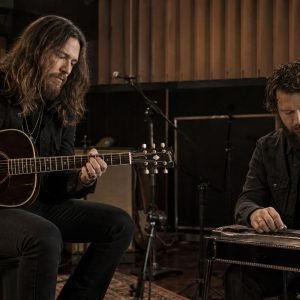
The long-awaited return of Buddy Miller to the solo stage is not merely a comeback; it is a profound reclamation of artistic identity. After fifteen years away from the solo spotlight—years spent extensively producing, touring, and collaborating—Miller has released a new, self-titled album that functions as a sonic autobiography. For those familiar with Miller’s tenure as the architect behind countless Americana classics, this record offers a rare glimpse into the internal frequency of one of Nashville’s most respected musicians. By blending the raw, visceral edges of country and rock with the spiritual depth of gospel and the smooth, evocative textures of soul, Miller has crafted a project that feels both timeless and urgently modern. The decision to make this a self-titled release speaks volumes; it is a statement of intent, suggesting that after decades of elevating others, Miller is finally re-centering the narrative on his own singular vision.
The Architecture of the Soundscape
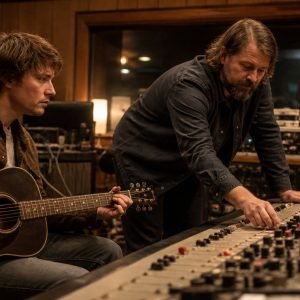
At the core of the Buddy Miller self-titled album is a masterful balance between restraint and explosive emotionality. Throughout the tracks, Miller leans into his signature guitar work—a sound often described as “twisted country”—which utilizes tremolo-soaked licks and distorted, tube-driven warmth to ground the songs in a gritty, authentic reality. Unlike the highly polished, compressed production often found in contemporary Nashville, this album breathes. There is space in the mix, allowing the interplay between the rhythm section and Miller’s weathered, soulful vocals to take center stage. The record functions as a masterclass in textures, moving seamlessly from the sparse, dusty landscapes of traditional folk to the rich, organ-heavy depths of southern soul. This sonic diversity is not forced; rather, it feels like the natural accumulation of Miller’s vast experience in the recording studio, where he has long served as a conduit for the creative energies of artists ranging from Robert Plant to Solomon Burke.
The Art of the Collaboration
The inclusion of heavy-hitting guests is a testament to the high regard in which Miller is held by his peers, yet the album never feels like a “star-studded” vanity project. Every feature is carefully curated, serving the song rather than the marketplace. The collaboration with Lee Ann Womack adds a layer of classic, heartbreaking country precision to the record, contrasting perfectly with Miller’s rough-hewn delivery. Similarly, the inclusion of Emmylou Harris—a long-time friend and collaborator—brings an ethereal, haunting quality to the vocal arrangements, proving that their decades-long creative chemistry has lost none of its potency. Perhaps most striking, however, are the contributions from The War & Treaty. Their fusion of gospel fervor and R&B electricity pushes Miller into new, high-energy territory. When these voices coalesce with Miller’s own, the album transforms into a multi-generational dialogue on the state of roots music, bridging the gap between historical reverence and future exploration.
A Decade and a Half in the Making
It is impossible to discuss this album without addressing the fifteen-year gap since his last solo offering. In the interim, Miller has been far from idle. He has been the definitive “musician’s musician,” acting as the bandleader for the Americana Music Association awards, producing iconic records, and maintaining his legendary creative partnership with his wife, Julie Miller. This hiatus was not a break; it was a cultivation period. The songs on this self-titled collection reflect a maturity that only time can provide. There is a sense of settled confidence in the songwriting—a move away from the frantic energy of youth toward a more measured, yet more emotionally resonant, storytelling approach. The lyrical themes explore aging, the persistence of love, and the shifting geography of the soul, all delivered with the dry wit and profound empathy that have become Miller’s hallmarks.
The Impact on Americana
By returning to the solo format, Miller reminds the industry of the core tenets of Americana: authenticity, instrumental prowess, and the courage to blend disparate influences. In an era where genre boundaries are increasingly fluid, Miller remains a standard-bearer for the idea that music does not need to be categorized to be felt. His willingness to integrate rock, soul, and gospel into the country framework validates the creative risks taken by younger artists in the scene. As we navigate the current landscape of the music industry—where digital algorithms often dictate the “vibe” of an album—this self-titled record feels like a necessary anchor. It is a reminder that the most compelling music is still made by people in a room, listening, responding, and playing to the heartbeat of the moment.
Looking Ahead: The Legacy Continues
As Miller moves forward, the question arises: is this a one-off return or the beginning of a new chapter? Given the vitality of the performances on this record, it is clear that Miller’s creative well is far from dry. This album provides a template for how an elder statesman of music can evolve without alienating a core fanbase. By staying true to his roots while embracing the “soul-gospel-rock” hybridity that defined his production work, Buddy Miller has effectively set a high bar for the Americana releases of the coming year. This isn’t just an album for his existing listeners; it is a primer for anyone interested in the anatomy of a great song, delivered by a man who has spent his entire career in the service of the melody.
FAQ: People Also Ask
Is this truly Buddy Miller’s first solo album in fifteen years?
Yes. While he has remained active as a producer and performer—most notably with his wife, Julie Miller—this project marks his first official solo record in over a decade and a half, making it a significant milestone in his career.
Who are the main collaborators featured on the new album?
The album features high-profile collaborations with country icon Lee Ann Womack, long-time musical partner Emmylou Harris, and the dynamic duo The War & Treaty, each of whom contributes unique textures to the project’s sound.
How does this album differ from his work with Julie Miller?
While his work with Julie is characterized by their specific, intimate marital and creative chemistry, this solo album allows Buddy to explore a broader sonic palette, incorporating more overt soul, gospel, and rock influences that reflect his extensive experience as a producer and bandleader.
What genres are prominent on this record?
The album serves as a definitive “Americana” record, blending traditional country songwriting with the rhythmic punch of soul, the emotional depth of gospel, and the grit of classic rock, all held together by Miller’s distinctive electric guitar style.