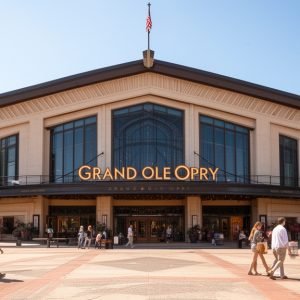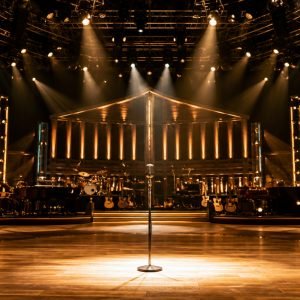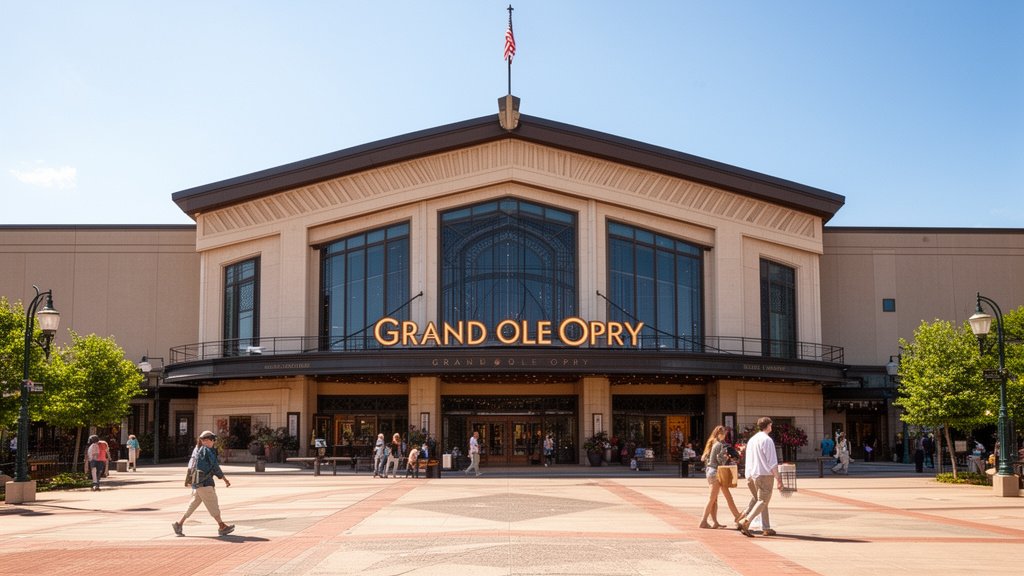
The landscape of American cultural heritage is shifting as federal policymakers introduce a robust new mandate designed to revitalize music tourism across the country. By providing direct support for major industry venues and world-renowned cultural landmarks—including Nashville’s Grand Ole Opry, Memphis’s Graceland, and Pigeon Forge’s Dollywood—this legislation aims to cement the role of music as a central engine for local and national economic recovery. The initiative recognizes that music tourism is not merely a hobby for enthusiasts; it is a high-yield sector that generates significant tax revenue, sustains local hospitality jobs, and preserves the intricate history of American artistry.
Key Highlights
- Federal Recognition: The new law officially classifies major music venues as ‘Strategic Cultural Assets,’ enabling access to federal infrastructure and tourism grants.
- Economic Multiplier Effect: Analysts project that for every dollar invested in these heritage sites, local economies surrounding them see a $4.50 return in hospitality and retail spending.
- Targeted Support: Funding and tax incentives are specifically earmarked for infrastructure modernization at iconic locations like the Grand Ole Opry, Graceland, and Dollywood.
- Cultural Preservation: The legislation mandates strict preservation standards, ensuring that while venues modernize, they maintain the authentic acoustic and architectural integrity that attracts millions of visitors annually.
The Economic Engine of Music Tourism
For decades, the intersection of music and travel has been a silent powerhouse of the U.S. economy. However, the industry has historically operated with fragmented federal support. This new legislation changes the calculus by formalizing music tourism as a vital pillar of the Department of Commerce’s tourism strategy. By leveraging the gravitational pull of sites like Graceland, which sees over 500,000 visitors annually, and the Grand Ole Opry, the legislation aims to distribute this economic vitality to surrounding local businesses, hotels, and restaurants.
The Multiplier Effect
When a tourist travels for a music-related event or heritage tour, their spending patterns differ significantly from the average traveler. Data from the Music Tourism Association suggests that music tourists tend to stay 30% longer and spend 40% more on local services than casual sightseers. The new law provides grants to cities and counties to develop ‘Music Districts,’ encouraging the creation of walkable corridors around major venues. This infrastructure focus is designed to ensure that visitors don’t just attend a show and leave; they are encouraged to experience the wider cultural ecosystem of the city. For example, the revitalization of infrastructure around Dollywood is expected to enhance visitor experience and increase foot traffic to local businesses throughout Sevier County, creating a ripple effect of sustained growth.
Protecting Cultural Landmarks
Perhaps the most critical component of the legislation is the preservation mandate. These sites—the Grand Ole Opry, Graceland, and Dollywood—are not just tourist attractions; they are repositories of American history. The law introduces ‘Legacy Grants’ for venues over 40 years old, providing matching funds for structural renovations, seismic retrofitting, and acoustic preservation. This ensures that the sonic character of these spaces is protected while the facilities are upgraded to modern safety and accessibility standards. This dual focus on preservation and modernization prevents the dilution of the ‘authentic experience’ while ensuring these venues remain competitive in a digital age where virtual experiences are increasingly common.
Future Predictions and Sustainability
Looking ahead, the legislative framework includes provisions for ‘Digital Heritage Integration.’ This is a forward-looking strategy that encourages venues to implement immersive technology—such as augmented reality tours and digital archives—to engage a younger demographic. By blending the tangible history of these landmarks with new tech, the law seeks to future-proof the sector against changing consumption habits. Industry experts predict that this integration, coupled with federal support, will result in a 15% year-over-year increase in music tourism revenue by 2027. Furthermore, the emphasis on sustainability requires that all federally-aided venue upgrades meet green building standards, positioning the U.S. music tourism sector as a leader in environmentally conscious cultural development.
FAQ: People Also Ask
How does this law define a ‘music venue’ for eligibility?
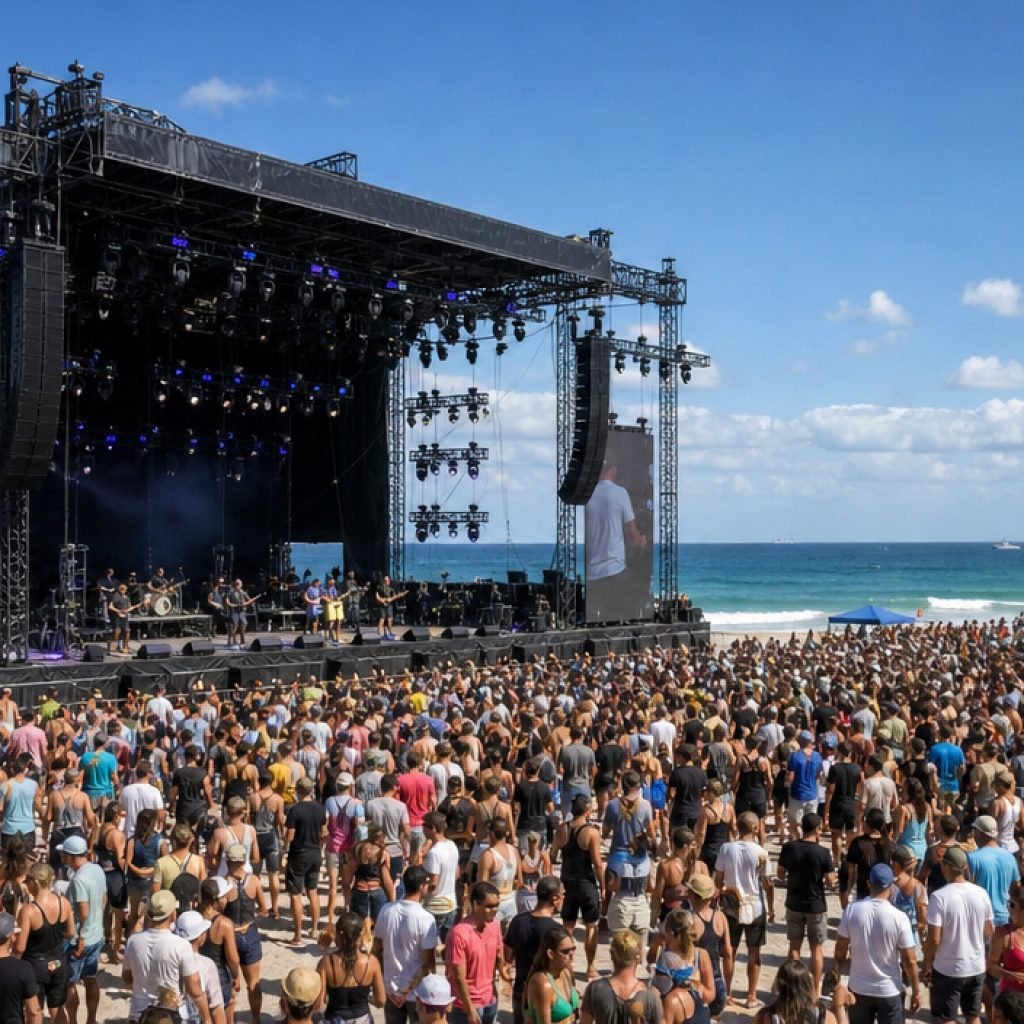
The law utilizes a tiered classification system. Priority is given to ‘National Cultural Landmarks’—venues with significant historical impact like the Grand Ole Opry and Graceland—while secondary tiers include regional music halls and outdoor performance spaces that demonstrate clear economic contribution to their municipality.
Will this impact ticket prices for consumers?
The legislation specifically includes clauses designed to offset infrastructure costs through federal grants, which is intended to relieve some of the overhead pressure that venues otherwise pass on to consumers. The goal is to keep high-quality cultural experiences accessible to the general public.
Does the law apply only to large, famous venues?
While the headline acts like Graceland and Dollywood are the primary beneficiaries of federal infrastructure funding, the legislation includes a ‘Spillover Provision.’ This allows smaller, independent venues located within a designated ‘Music Corridor’ to apply for auxiliary grants and tax incentives, effectively broadening the scope of the impact to include local clubs and smaller theaters.