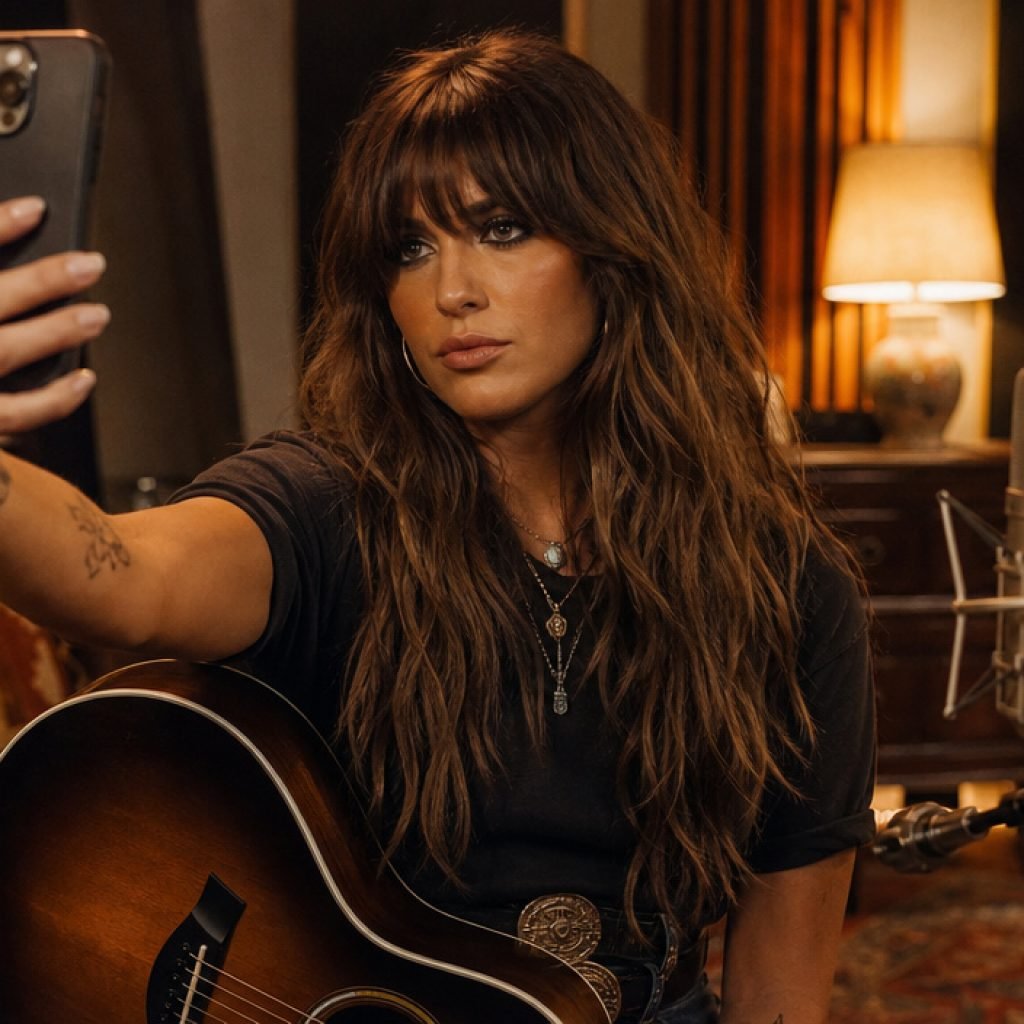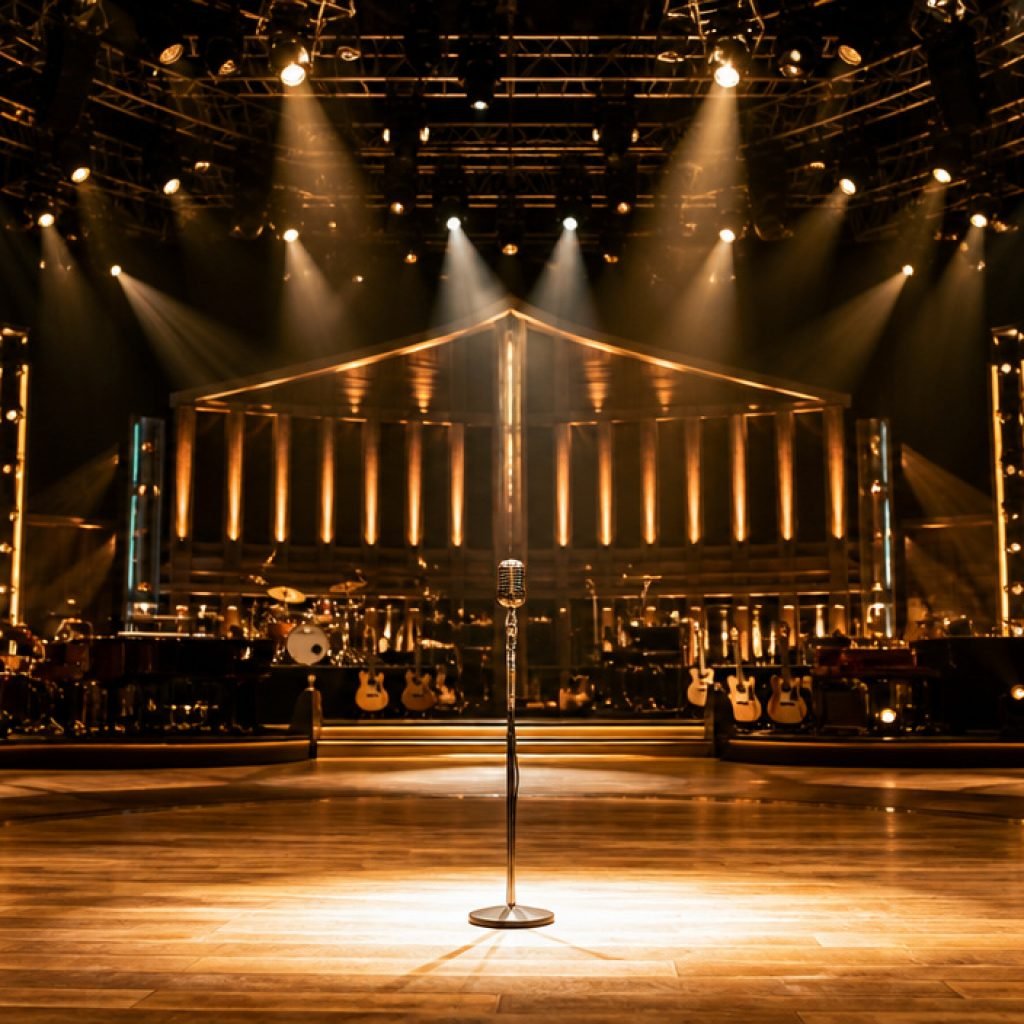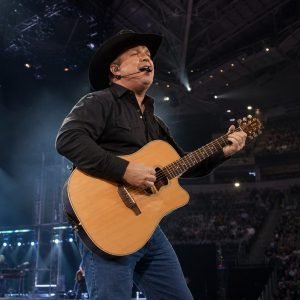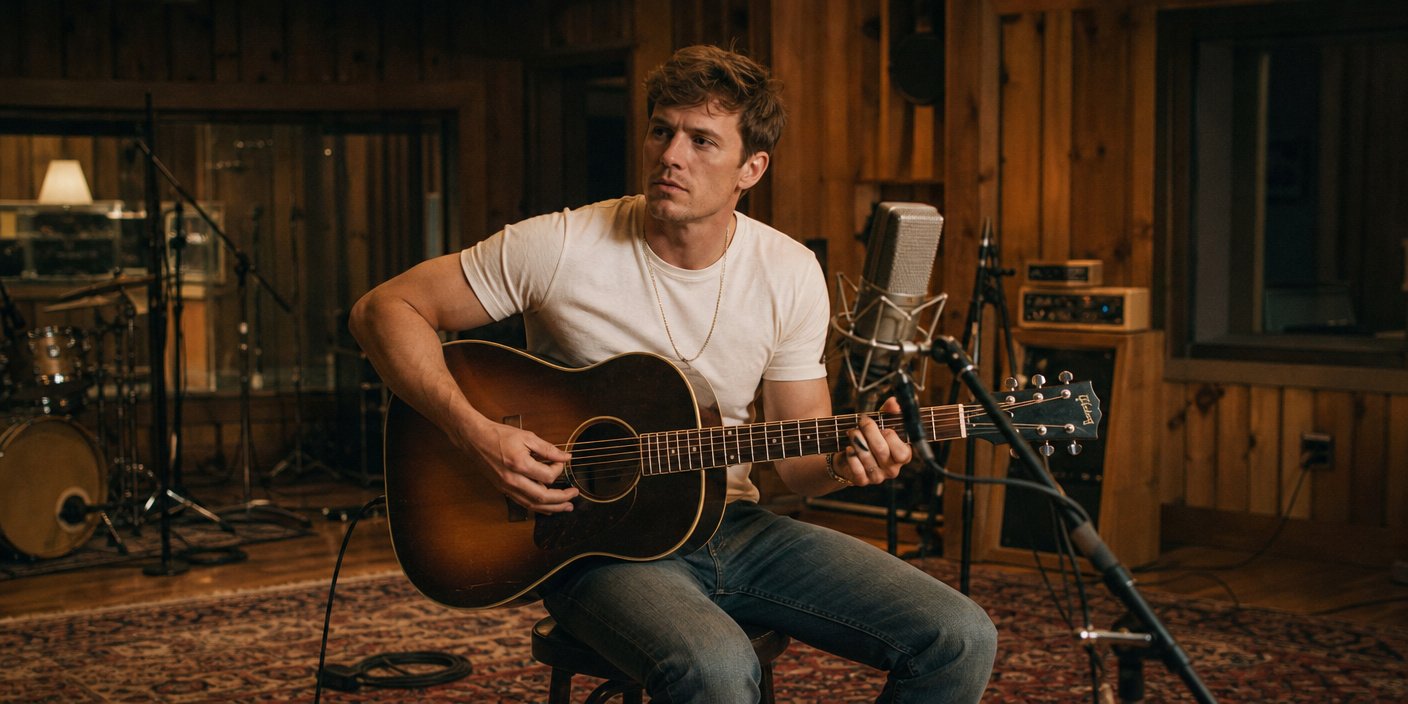
Parker McCollum has long been known for his ability to fill arenas with soaring, anthemic Texas country, but with the surprise release of ‘Live From Sound City,’ the CMA New Artist of the Year winner has made his most vulnerable artistic statement yet. This 15-track collection strips away the layered production of his studio albums, leaving only his voice, his guitar, and the room where some of music’s greatest moments were captured. Recorded over just four days at the iconic Sound City Studios in Los Angeles, the project offers a masterclass in songwriting, reminding listeners that beneath the polish of radio-ready country, the core of the music remains the story.
The Hallowed Halls of Sound City
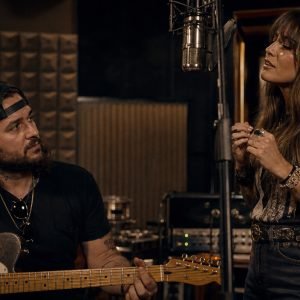
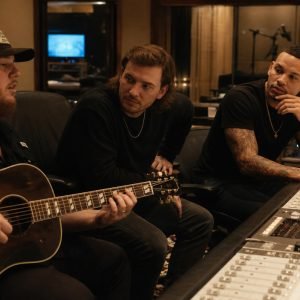
The choice of venue for this acoustic collection is far from accidental. Sound City Studios, located in the Van Nuys neighborhood of Los Angeles, is a landmark in music history. It is the hallowed ground where Fleetwood Mac recorded their self-titled album, where Nirvana’s ‘Nevermind’ changed the trajectory of rock, and where Tom Petty, Neil Young, and countless others sought out the room’s unique, natural acoustic ‘snap.’ For a country artist like McCollum, stepping into Sound City is an act of communion with the ghosts of rock and roll’s past. It signals a shift in focus—a deliberate move toward sonic fidelity over modern, digitized sheen. By choosing this space, McCollum places his songwriting in the same architectural conversation as the legends who came before him, stripping back the ‘Texas Country’ label to reveal the universal rock-and-roll songwriter beneath.
The Discipline of the Four-Day Session
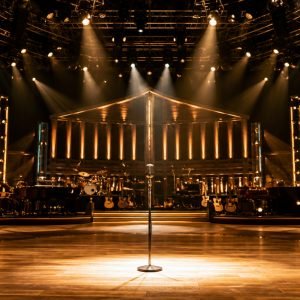
Modern country music production is often a months-long, multi-layered process involving heavy editing, pitch correction, and intricate instrumental layering. McCollum’s approach to ‘Live From Sound City’ was the diametric opposite: an intense, high-pressure, four-day marathon. In the digital age, ‘live’ recording is often a aesthetic choice, but recording the entire album in under 100 hours requires immense discipline. This approach forces the performer to exist in the moment; there are no ‘fix it in the mix’ options when the goal is to capture the raw performance. The result is a sonic texture that feels lived-in and immediate. Every breath before a chorus, the slight drag of a finger against a guitar string, and the decaying resonance of the studio’s wood-paneled walls are captured in the final product. It is a bold move for an artist at the height of his commercial powers, but one that effectively cements his credibility with purists who have long argued that country music needs to return to its roots.
Songwriting as the Primary Instrument
When you remove the steel guitars, the driving percussion, and the synth pads, you are left only with the song’s structure. Throughout the 15 tracks of ‘Live From Sound City,’ McCollum demonstrates that his compositions—which have earned him millions of streams and chart-topping success—hold up even without the bells and whistles. The lyrical vulnerability in his tracks, often obscured by production, is now front and center. This is particularly evident in his slower, more reflective tracks, where the absence of a rhythm section allows the storytelling to take up more space in the listener’s ear. It is an exercise in restraint. For fans who have followed McCollum since his early days in the Texas scene, this album feels like a homecoming, a return to the open-mic style intimacy that originally launched his career.
A New Blueprint for Modern Country
There is a broader industry trend at play here. As the ‘pop-country’ sound reaches a saturation point, many artists are looking to diversify their catalogs with ‘unplugged’ or ‘live’ projects to prove their musicality. However, McCollum’s effort stands out because it isn’t just a re-packaging of old hits; it is a re-contextualization. By framing these songs within the legendary acoustics of Sound City, he is making a statement about his evolution as an artist. He is moving away from the ‘singer’ moniker and toward ‘artist’ in the truest sense—someone who understands the weight of a room, the silence between notes, and the power of a performance captured in real-time. This record will likely serve as a blueprint for his future projects, perhaps signaling a permanent shift in his touring and recording philosophy to favor organic instrumentation over the heavy studio polish of his past releases.
FAQ: People Also Ask
1. Was ‘Live From Sound City’ actually recorded in a live concert setting?
No, it was recorded in a studio environment. The ‘Live’ in the title refers to ‘live-off-the-floor’ recording, meaning the tracks were recorded in real-time without the multi-tracking and overdubbing typically used in modern studio albums.
2. Why is Sound City Studios considered so significant?
Sound City is world-famous for its ‘Neve’ recording console and the natural acoustics of its main tracking room. It was the site of landmark recordings for artists including Nirvana, Fleetwood Mac, Tom Petty, and Johnny Cash, making it a bucket-list destination for musicians seeking a specific, warm, and historical sound.
3. Does this album feature new songs or just his hits?
The 15-track collection features a mix of both. It revisits some of McCollum’s most successful chart-toppers, stripping them down to their core, while also introducing new material that benefits from this raw, acoustic treatment.
4. What is the main theme of this album?
The theme is vulnerability and sonic purity. The album is designed to focus entirely on the songwriting and the vocal performance, stripping away all production layers to reveal the foundational structure of the music.