On August 28, 2026, Little Big Town released their 12th studio album, ‘It’s A Dying Art,’ via MCA Nashville, marking what critics are already hailing as a definitive pivot in the quartet’s two-decade career. The album arrives at a moment of significant cultural flux, serving not just as a collection of songs, but as a bold manifesto against the ephemeral nature of modern chart-topping trends. By stripping back the high-gloss production that defined their mid-2020s era, Karen Fairchild, Kimberly Schlapman, Jimi Westbrook, and Phillip Sweet have crafted a record that prioritizes the visceral connection of four-part harmony over digital polish.
Key Highlights
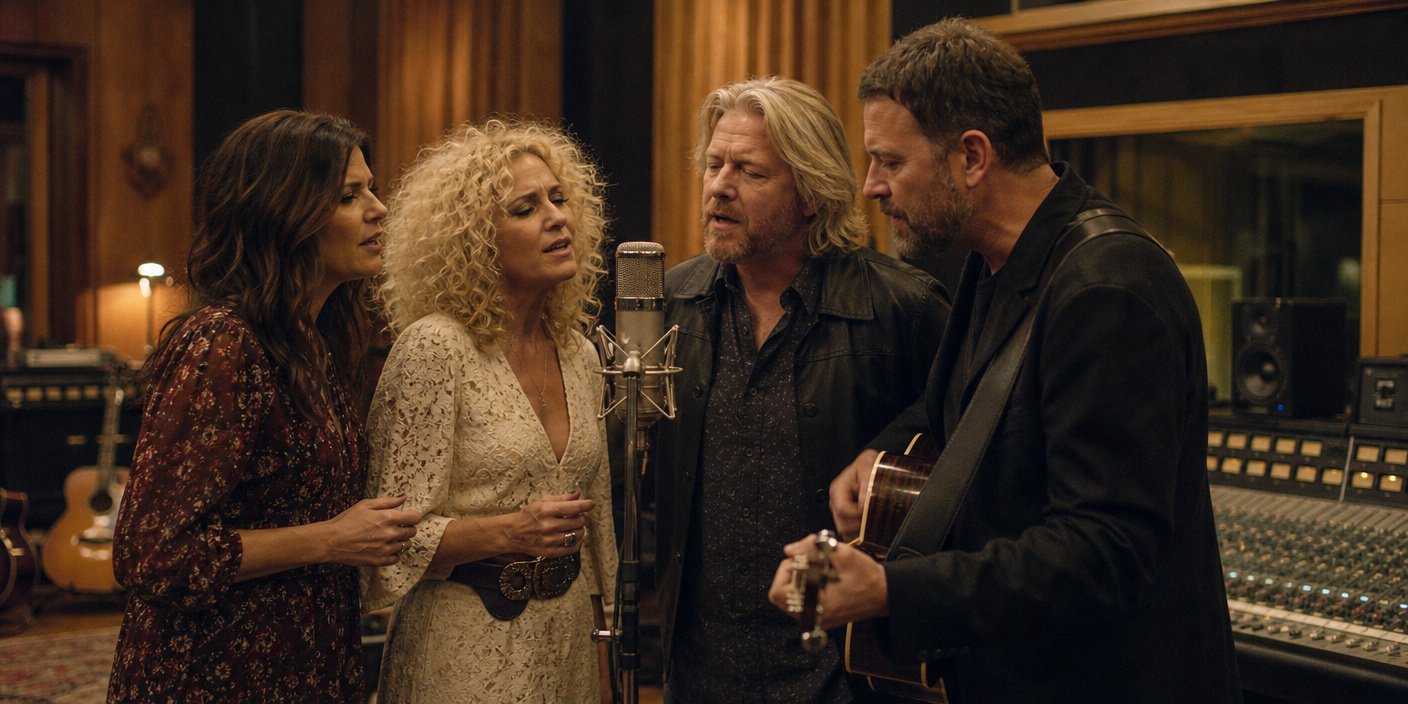
- Return to Roots: The album eschews over-compressed drum loops in favor of organic, live-room instrumentation, highlighting the band’s signature vocal blending.
- Lyrical Meta-Commentary: The title track, ‘It’s A Dying Art,’ serves as an explicit critique of the ‘fast-food’ songwriting culture currently dominating Music Row.
- Strategic Features: Guest appearances are sparse and intentional, focusing on legacy artists rather than current pop-crossover stars to reinforce the album’s thematic consistency.
- Pacing Masterclass: The album operates as a cohesive narrative arc, deliberately slowing its tempo in the second half to invite deeper listener engagement.
The Philosophy of the Craft
The title ‘It’s A Dying Art’ is a provocative declaration for a band that has long straddled the line between mainstream country-pop and critical darling status. For over 20 years, Little Big Town has navigated the shifting tides of the Nashville machine, but this 12th studio release feels distinctly personal. In an era where song lengths are shrinking to accommodate algorithmic short-form video consumption, Little Big Town has intentionally extended their compositions, allowing bridges to breathe and vocal harmonies to linger. This is not merely an artistic choice; it is an act of defiance.
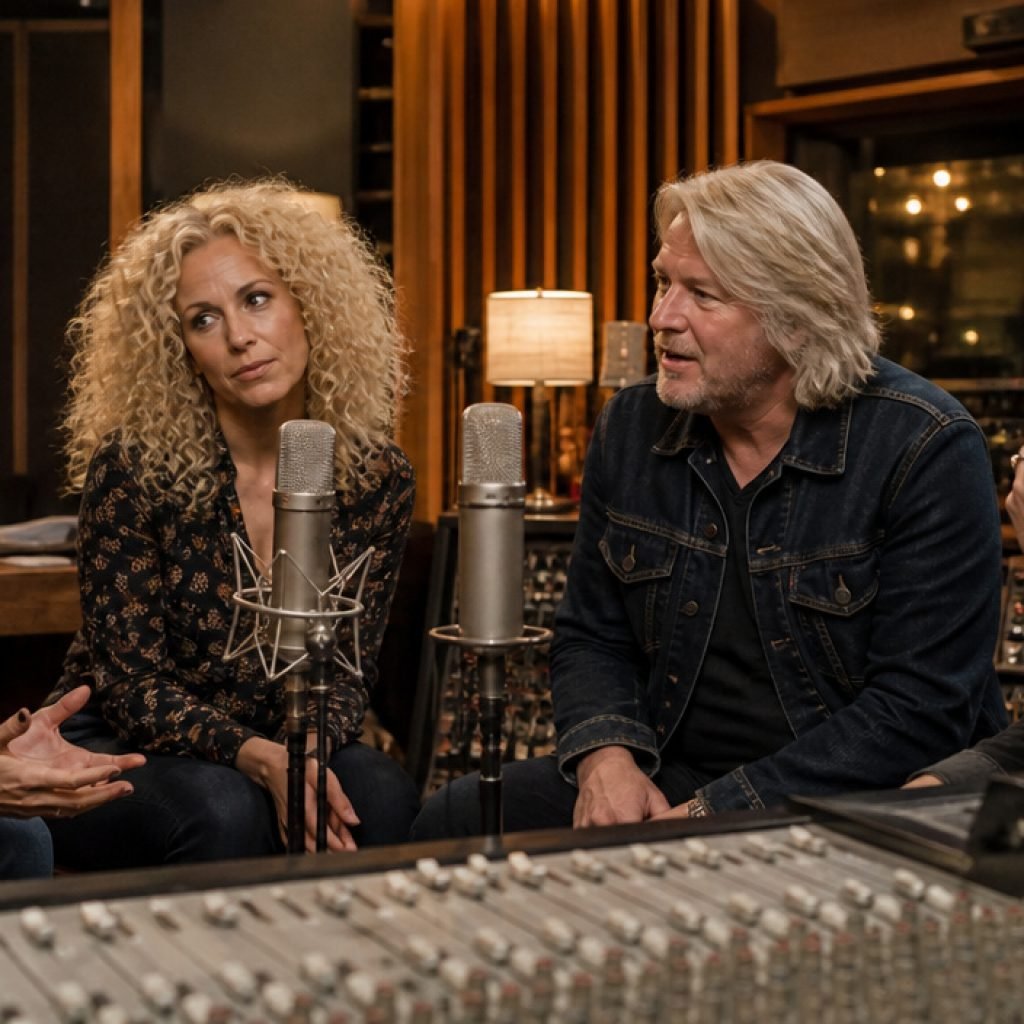
The production, handled with care under the MCA umbrella, moves away from the aggressive synthesizers that permeated their 2024 work. Instead, the band utilized analog recording techniques in Nashville’s historic studios, capturing the subtle imperfections that define truly human music. This choice elevates the lyrical content, which focuses on themes of longevity, the weight of history, and the precariousness of legacy in a digital world.
Analyzing the Production Shift
When listening to the opening tracks, one is struck by the immediacy of the vocals. The band has leaned into the natural frequency ranges of their voices, reducing the reliance on vocal tuning software that has become standard in modern production. By prioritizing the ‘live-room’ feel, the engineers have succeeded in making the listener feel as though they are seated in the center of the tracking room during the session. This technique transforms the listening experience from passive consumption into an immersive, private performance.
Furthermore, the pacing of ‘It’s A Dying Art’ displays a maturation in the band’s sequencing ability. The album starts with high-energy anthems that evoke the classic Little Big Town sound but slowly dissolves into melancholic ballads. This progression serves as a metaphor for the ‘dying art’ mentioned in the title—starting bright and hopeful, but inevitably fading into the reality of time and artistic attrition.
The Impact of Collaborations
One of the most notable aspects of this album is the careful curation of guest appearances. Unlike previous projects that utilized cross-genre features for radio play, the features on ‘It’s A Dying Art’ are rooted in the bedrock of Americana and traditional country. These guests serve the song rather than the metrics. Each collaboration feels earned, contributing to the album’s overall texture rather than disrupting its flow. This reflects a broader industry trend where legacy artists are reclaiming control over their creative vision, refusing to chase demographic shifts and instead inviting listeners into their specific, established world.
Secondary Angles: Industry Implications
1. The ‘Anti-Algorithm’ Trend: As streaming platforms reward shorter, more repetitive songs, Little Big Town’s pivot to longer, more structurally complex tracks challenges the economic model of modern country music. This album could act as a litmus test for whether a dedicated fanbase will still support ‘album-oriented’ music in a playlist-first environment.
2. Economic Impact on Music Row: By choosing a traditional recording route, the band is investing heavily in studio time and live session musicians. This is a significant economic choice that supports Nashville’s specialized creative ecosystem, contrasting with the ‘bedroom producer’ model that has become increasingly common.
3. Genre Fusion vs. Genre Purity: The album raises the question of whether ‘Country’ is a genre defined by sound or by spirit. By embracing a ‘purity’ of performance over a ‘purity’ of sound (they still experiment with genre), Little Big Town argues that the heart of the genre lies in the story, not the guitar pedal.
FAQ: People Also Ask
Q: Who produced ‘It’s A Dying Art’?
A: The album was produced by a collaborative team led by longtime associates of the band, focusing on preserving the organic, analog sound signature the group requested for this project.
Q: How many tracks are on the new Little Big Town album?
A: The album features 14 tracks, meticulously sequenced to guide the listener through an emotional arc, moving from upbeat energy to somber, reflective ballads.
Q: Is ‘It’s A Dying Art’ a departure from their previous sound?
A: Yes and no. While the band maintains their signature four-part harmony, the production philosophy is a distinct departure from their more pop-leaning projects, opting for a raw, ‘live-in-studio’ aesthetic.
Q: What is the main message of the title track?
A: The title track, ‘It’s A Dying Art,’ serves as a meta-commentary on the current state of Nashville songwriting, lamenting the loss of storytelling depth in favor of trend-chasing production.